
Inquiry Basket
 Loading ......
Plasma cell myeloma is a tumor caused by malignant proliferation of the B-lymphoplasmacytoid system. Its characteristic is the malignant proliferation of abnormal plasma cells (also known as myeloma cells) in the bone marrow, and the secretion of certain humoral factors, which cause abnormal activation of osteoclasts, leading to osteolytic lesions, bone pain and destruction, anemia, renal dysfunction, and immune dysfunction.
It is currently unclear. The significant increase in multiple myeloma in the elderly suggests that its basic process is related to immune function and aging. Immune aging is most pronounced in T cell lines, consistent with thymic degeneration. The multi-step tumorigenic pattern is as follows: firstly, thymic degeneration (possibly also caused by Fusarium oxysporum) and loss of control over early B cell development, including abnormal cytokine production; The second step is the abnormal proliferation of clones due to the loss of normal regulation; The third step is to increase the chance of random gene mutations and induce malignant transformation in clones with increased quantity.
Plasma cell myeloma demonstrates specific epidemiological characteristics based on age, gender, and ethnicity:
| Symptoms | Descriptions |
| Clinical manifestations directly caused by myeloma cells infiltrating and destroying bones and other organs | (1) Bone pain: Occurs in 60% to 70% of newly diagnosed patients and is the most common symptom. It is common in the later stages of the disease and is aggravated. The lower back, chest, and limbs are the main sites. (2) Skeletal masses: are often found in the ribs, sternum, skull, and clavicle, where red bone marrow is concentrated. (3) Pathological fractures: The ribs, lower thoracic vertebrae, and upper lumbar vertebrae are the common sites of pathological fractures. (4) Neurological manifestations: Paraplegia, hemiplegia, neuralgia, sensory abnormalities, etc. may be caused by compression or direct infiltration of the spinal bones by myeloma. (5) Infiltrative enlargement and functional impairment of extramedullary organs: This can occur in the liver, spleen, lymph nodes, and kidneys. (6) Hypercalcemia: Internal bone destruction and bone resorption can cause an increase in blood calcium levels. Renal dysfunction also reduces the body's calcium excretion. Prolonged bed rest and reduced activity in the elderly can also lead to hypercalcemia in myeloma patients. It can cause anorexia, nausea, vomiting, polyuria, severe cough, dehydration, and even disorders of consciousness. |
| Clinical manifestations caused by abnormal production of plasma protein (M protein) by myeloma cells | (1) Hyperviscosity syndrome: The increase of M protein in plasma causes the viscosity of blood to increase. Blood flow slows down and becomes hypoxic. The symptoms of central nervous system hypoxia include dizziness, blurred vision, tinnitus, and disorders of consciousness. Limb numbness and insufficient blood supply to the coronary arteries may also occur. (2) Bleeding tendency: Due to thrombocytopenia, the binding of M protein to various coagulation factors can cause coagulation mechanism and platelet dysfunction. Most of them are bleeding from the skin and mucous membranes. (3) Renal insufficiency: This is often the cause of death from this disease. It can be caused by the deposition of light chain proteins in renal tubules, resulting in renal unit damage, or infiltration of tumor cells, or secondary amyloidosis. (4) Anemia: Anemia is seen in 2/3 of newly diagnosed patients. It is the main clue for the diagnosis of this disease, especially for elderly patients. Tumor cell infiltration of red bone marrow that reduces the production of red blood cells is the main cause of anemia. The erythropoietin level in the body decreases, renal failure, increased blood volume, and shortened red blood cell lifespan all further aggravate anemia. (5) Infection: Due to abnormal production of immunoglobulins, normal humoral immunity is deficient. Neutropenia and other conditions can easily cause lung and urinary system infections, even sepsis. |
Experimental blood test shows anemia; The bone marrow shows an increase of more than 10% in plasma cells with abnormal morphology; Rapid increase in erythrocyte sedimentation rate, immune dysfunction, hyperintensities of monoclonal globulin (M protein), hypercalcemia; Elevated levels of urea nitrogen and creatinine in serum; X-ray examination reveals early signs of osteoporosis, with typical lesions being circular, well-defined, and chiseled osteolytic lesions of varying sizes, commonly found in the skull, pelvis, spine, femur, humerus, and other areas. Pathological fractures are more common in the ribs, spine, clavicle, and other areas (presenting as compression fractures).
Chemotherapy
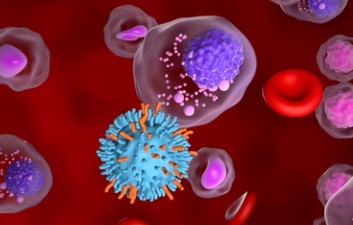
Common chemotherapy drugs include cyclophosphamide, phenylalanine nitrogen mustard (melphalan), glucocorticoids, doxorubicin, etc., often used in combination therapy. Combination chemotherapy is effective quickly, but it has high hematological toxicity, especially for elderly patients. In general, if the situation is poor, combination therapy is not tolerated, or early combination chemotherapy is not necessary, single chemotherapy can be used, with the most commonly used drug being melphalan.

Symptomatic Treatment
For the treatment of hypercalcemia, adrenal cortex hormones or intravenous injection of physiological saline and combined use of furosemide can be used. Oral allopurinol treatment for hyperuricemia. Patients with increased blood viscosity should use penicillamine or intravenous drip pills, and plasma separation may be considered if necessary.
Plasma cell myeloma is a complex and heterogeneous disease that requires a multidisciplinary approach to management. While it remains incurable, advances in treatment have significantly improved survival rates and quality of life for many patients. Continued research into the molecular mechanisms of the disease and the development of novel therapies will be crucial in further improving outcomes for patients with PCM.
| Cat. No. | Product Name | Host | Isotype | Application | |
| CABT-L2953 | Mouse Anti-Human CD79a monoclonal antibody, clone JID190 | Mouse | IgG | IHC | Inquiry |
| CABT-L2849 | Mouse Anti-Human Cyclin D1 monoclonal antibody, clone JID663 | Mouse | IgG | IHC | Inquiry |
| CABT-L2916 | Mouse Anti-Human CD38 monoclonal antibody, clone JID149 | Mouse | IgG | IHC | Inquiry |
Loading ......
