
Inquiry Basket
 Loading ......
Pancreatitis refers to autodigestion of the pancreas, in which pancreatic enzymes injure pancreas tissue and lead to dysfunction of the gland, as well as remote organs and systems. The epidemiology of diseases often changes with time-for pancreatitis, this aspect is certainly true. The reasons for such changes are many: population growth and migration, change in patterns of alcohol consumption and tobacco smoking, rising rates of obesity and recognition of metabolic causes of pancreatitis, and increasing use and improving quality of imaging modalities. Emerging studies have also shown that acute, recurrent acute and chronic pancreatitis often represent a disease continuum. The prevention of pancreatitis requires the coordinated efforts of not only gastroenterologists and surgeons, but also primary care physicians, endocrinologists, radiologists, and other specialists to meaningfully reduce the burden of pancreatitis and its sequelae in the decades to come.
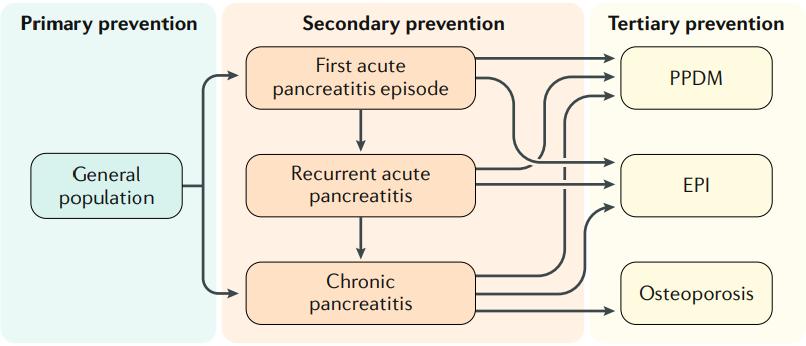 Fig. 1 The holistic prevention of pancreatitis framework. (Petrov MS, et al., 2019)
Throughout the world, there are differences in the incidence of acute pancreatitis. The high incidence regions (that is, those with incidence more than 34 cases per 100,000 general population per year) are the North America and Western Pacific regions (as defined by the WHO). The rising incidence of acute pancreatitis might further increase the frequency of dysfunction of several systems (including endocrine, exocrine and altered bone metabolism, covered in detail later) long after clinical resolution of pancreatitis. Thus, a knowledge of prevalence (that is, cases with a prior history of acute pancreatitis) might enable quantification of the predicted burden of sequelae attributable to acute pancreatitis in the general population and guide the effective allocation of healthcare resources.
Post-pancreatitis diabetes mellitus. Metabolic abnormalities are an important and frequent sequelae of pancreatitis. Diabetes of the exocrine pancreas (DEP) and its 3 subtypes-post-pancreatitis diabetes mellitus (PPDM), pancreatic cancer-related diabetes (PCRD) and cystic fibrosis-related diabetes (CFRD) -have been suggested as a uniform nomenclature.
Exocrine pancreatic dysfunction. Similar to endocrine dysfunction, abnormalities in pancreatic exocrine function were initially considered only in the context of chronic pancreatitis. In classic natural history studies, up to 80% patients develop EPI during the course of disease. The probability increases with disease duration, reflecting progressive destruction of the pancreatic parenchyma from inflammatory and fibrotic changes. Exocrine dysfunction after acute pancreatitis is typically associated with the extent of pancreatic damage (that is, pancreatic necrosis).
Osteoporosis. The importance of bone health in chronic pancreatitis is gaining attention. In a systematic review of 10 studies comprising 513 patients with chronic pancreatitis, the prevalence of osteoporosis was 23.4% and 65% for osteoporosis or osteopenia.
The epidemiological burden of pancreatitis and its sequelae underscores the need for a comprehensive approach to its prevention. Prevention approaches are classically categorized as primary, secondary and tertiary in terms of the intervention time point and target population. In primary prevention, intervention is applied to the general population who do not have a disease of interest. These strategies typically aim to reduce disease incidence. Secondary prevention involves early identification of individuals with an existing disease of interest. The purpose of secondary prevention is to apply effective intervention early and reduce morbidity. Tertiary prevention is applied after a disease of interest is established, aiming at minimizing its sequelae and resulting burden.
| Target | Cat. No. | Product Name | Host | Isotype | Application | Inquiry |
| REG3A | DPABH-25623 | Anti-REG3A (aa 1-50) polyclonal antibody | Rabbit | IgG | WB, IHC-P | Inquiry |
| REG3A | DCABH-13218 | Anti-REG3A monoclonal antibody, clone 3D22 | Mouse | IgG1 | ELISA | Inquiry |
Loading ......
