
Inquiry Basket
 Loading ......
Seeking effective cancer treatment depends on our ability to understand and target the molecular drivers of tumor development. Oncoprotein are highly active or mutated protein products of oncogenes, and are the core of uncontrolled cell proliferation, survival, and metastasis. Their quantification is not just an academic activity; It is a key component of the modern drug development pipeline. Accurate measurement of oncoprotein levels provides essential data from target validation and lead compound screening to biomarker analysis and patient stratification. The enzyme-linked immunosorbent assay (ELISA) kit represents the cornerstone technology of this work. Their high sensitivity, specificity, flux, and reproducibility make them an ideal choice for quantitative analysis of oncoproteins in various sample matrices, including cell lysates, tissue homogenates, and serum.
 Figure 1.Structure of Oncoprotein.
The relentless pursuit of effective cancer treatment is fundamentally rooted in understanding the molecular mechanisms that drive tumor development. The core of this complex process is oncogenes, the protein products of overactive, overexpressed, or mutated oncogenes. Under normal and regulated conditions, oncogenes play a crucial role in controlling basic cellular processes such as cell growth, proliferation, differentiation, and survival. However, through genetic changes such as point mutations, gene amplification, or chromosomal translocations, these genes are transformed into potent oncogenes. This leads to the production of oncogenes, which act as constitutive activity signals, mercilessly pushing the cell cycle forward, inhibiting apoptotic pathways, and endowing cancer cells with signature abilities. Classic examples include the sustained activity of Ras GTPase, overexpression of HER2 receptor tyrosine kinase, and stable p53 mutant forms, which not only lose their tumor suppressive function but often acquire new oncogenic activity.
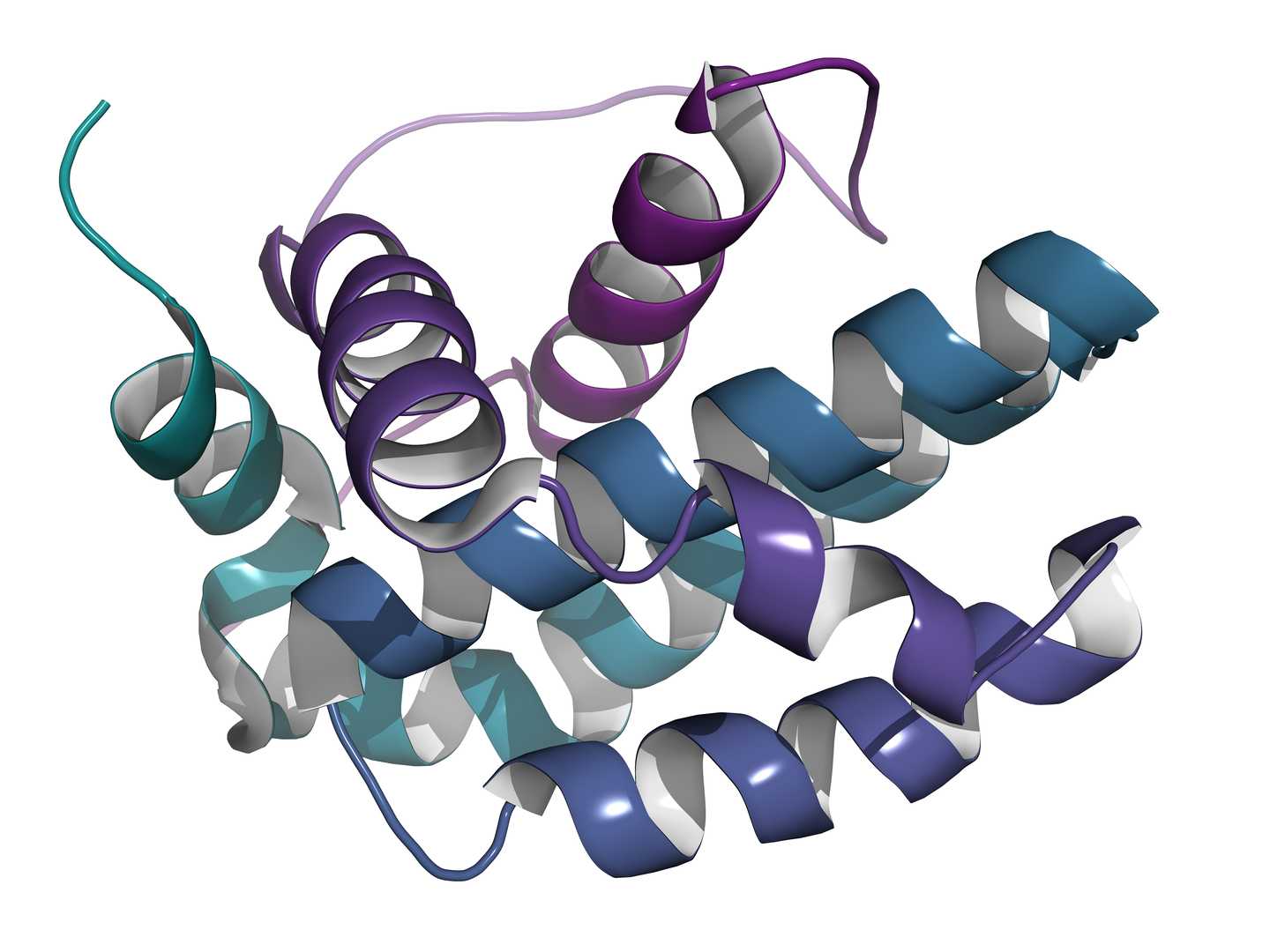 Figure 2. Crystal structure of oncoprotein.
Preclinical efficacy and toxicological evaluation
The oncoprotein ELISA kit is used to directly monitor the therapeutic effect within tumor tissue. Analyzing the expression of oncoproteins in normal tissues can help evaluate mechanism-based toxicity.
Pharmacodynamic (PD) biomarker analysis
Quantitative measurement of oncoprotein levels, their cleavage products, or their presence in circulation before, during, and after treatment can serve as a powerful biomarker for PD.
Clinical monitoring
ELISA can be used as a non-invasive tool to stratify patients. Identifying patients whose tumors are driven by specific oncoproteins can participate in trials targeting that specific pathway.
Mechanism of Action (MoA) Study
ELISA can quantify downstream effects and confirm the expected interruption of signaling pathways. Similarly, the reagent kit can measure changes in post-translational modifications (such as phosphorylation).
Oncoprotein ELISAs are utilized across multiple stages of the drug development lifecycle:
Target Validation
Confirming that a specific oncoprotein is both present and functionally critical in a particular cancer type.
High throughput screening (HTS)
Quickly test the ability of thousands of compounds to inhibit oncoprotein expression or function in cell-based assays.
Mechanism of Action (MoA) Study
Elucidate how candidate drugs affect the expression of oncogenes and downstream signaling pathways.
Biomarker development
Identify and quantify oncoproteins or autoantibodies targeting them as predictive, prognostic, or pharmacodynamic (PD) biomarkers.
Preclinical efficacy and toxicology
Monitor oncoprotein levels in animal models to evaluate drug efficacy and understand targeted toxicity.
The quantitative properties of ELISA generate robust numerical data, which is crucial for statistical analysis, dose-response modeling, and regulatory submission. Here we have compiled information on five important oncoprotein detection kits for you. Due to the rarity of some of these test kits in the conventional scientific research market, the following table summarizes their main characteristics for your quick understanding:
| Oncoprotein / Marker | Protein Infromations | Corresponding ELISA Kit Status & Characteristics | Primary Application / Detection Target |
| MART-1/Melan A | Immunohistochemistry (IHC) is a more conventional method for detecting MART-1/Melan A | Standardized commercial ELISA kits are relatively uncommon in routine research suppliers. Detection is more routinely done by Immunohistochemistry (IHC). | Provides auxiliary diagnostic information for physicians via IHC staining. |
| p63 | p63 is a member of the p53 protein family and plays an important role in cell proliferation, apoptosis, and differentiation. | Commercial Human TP63 ELISA Kit available for research. | Quantitative detection of p63 protein in research. |
| 53BP1 (TP53BP1) | 53BP1 is a p53 binding protein that plays a critical role in DNA damage response. | Commercial Human TP53BP1 ELISA Kit available. | Quantitative detection of TP53BP1 protein in research. |
| TACC1 | TACC1 protein is associated with transcriptional regulation and cell division. | Standardized commercial ELISA kits are relatively uncommon. TACC1 antibodies are available and can be used to develop in-house ELISA assays. | Detection of TACC1 protein in ELISA experiments using specific antibodies. |
| BRCA1 | BRCA1 is an important tumor suppressor protein, and its mutation is closely related to hereditary breast cancer and ovarian cancer. | Commercial Human BRCA1 ELISA Kit available. | Quantitative detection of BRCA1 protein in research. |
Case Study 1: Monitoring Tumor Inhibition Response Using Human p53 ELISA Kit
Background of treatment: p53 tumor suppressor gene mutations occur in over 50% of human cancers. In cancers with wild-type p53, this protein is typically inactivated. New therapies, such as MDM2 inhibitors, aim to reactivate the p53 pathway by disrupting its main negative regulatory factors.
Application of the kit: Treatment of cancer cell lines with wild-type p53 using MDM2 inhibitors. At different time points, cells are harvested and lysed. Accurately quantify the total p53 protein level using a human p53 ELISA kit. This assay is also applicable for measuring p53 in tumor xenograft homogenates of mouse models treated with this drug.
Results and Effects: The ELISA results provide clear quantitative evidence that MDM2 inhibitors lead to rapid and sustained accumulation of p53 protein. These data are crucial for the following aspects:

Case Study 2: Evaluating Autophagy Modulation with the Human BECN1 (Beclin-1) ELISA Kit


We collect and process clinical samples (serum/plasma) to eliminate hemolysis/hyperlipidemia and ensure compliance with pre analytical quality standards prior to testing.

We initialize the ELISA kit by preparing calibration samples constructed from standard curves and running low/high concentration quality control materials.

We add the processed sample to a pre coated microplate, incubate to form a sandwich complex, and perform sequential washing to remove non-specific binding.

We measured absorbance using a microplate reader, and calculated tumor marker concentrations using a validated regression model.

We cross validate the results based on the quality control scope, address potential interferences (such as hook effects), and generate clinically actionable reports.
The strategic application of robust and validated oncoprotein ELISA kits provides a strong quantitative basis for decision-making throughout the entire drug development process. As shown in the case studies of Beclin-1, p53, and p53 autoantibodies, these tools are essential for confirming the mechanism of action, demonstrating target involvement, and identifying valuable biomarkers. By integrating these precise detections into their workflow, researchers and drug developers can reduce project risks, optimize treatment candidate drugs, and ultimately accelerate the delivery of new cancer treatments to patients.
A: Of course. All featured reagent kits are provided in a convenient 96 well bar plate format, fully compatible with automatic liquid handling systems and plate readers. This makes them very suitable for screening applications that require processing tens to hundreds of samples simultaneously.
A: No, it's not. Due to the use of antibodies, the human p53 ELISA kit has high specificity for human p53 protein. Cross reactivity with mouse p53 is usually low or absent. It is crucial to select a specific species of reagent kit for your experimental model. Manufacturers often provide similar test kits for mice, rats, or other species.
A: This depends on your biological question and sample availability.
When you want to understand the direct changes in the expression of oncoprotein in tumor tissue or cells (such as drug response), you can measure oncoprotein. When you need a circulating, non-invasive biomarker for patient stratification, early detection, or prognostic evaluation, especially in cases where tumor tissue is not easily available, measure autoantibodies.
A: Sensitivity is typically defined as the lowest detectable dose (MDC) and is kit specific. For example, the sensitivity of specialized human p53 assay kits is typically less than 0.1 ng/mL, while the sensitivity of BECN1 assay kits may be in the range of pg/mL. Please be sure to refer to the manufacturer's data sheet to understand the specific sensitivity, dynamic range, and intra - and inter batch accuracy data of the reagent kit batch.
Loading ......
