
Inquiry Basket
 Loading ......
Neurodegenerative diseases, such as Amyotrophic Lateral Sclerosis (ALS) and spinal muscular atrophy (SMA), are characterized by the progressive loss of motor neurons in the central nervous system (CNS). Understanding the molecular markers associated with motor neurons is crucial for studying the development, function, and pathology of these cells.
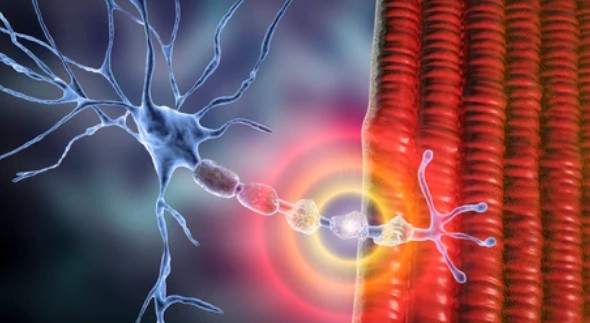
Motor neurons are divided into two main categories: upper motor neurons and lower motor neurons. Upper motor neurons originate from the brain, while lower motor neurons originate from the brain stem and spinal cord. These neurons, also known as motoneurons, have a crucial role in transmitting signals from the brain to muscle fibers and glands.
Motor neurons can be further classified based on the type of muscle they innervate. Somatic motor neurons directly connect with skeletal muscles, enabling voluntary movement. Brachial motor neurons specifically innervate muscles in the face and neck region. On the other hand, visceral motor neurons synapse with visceral muscles found in the arteries and the heart, regulating involuntary movements in these areas.
ChAT (choline acetyltransferase)
ChAT is a key enzyme involved in the synthesis of acetylcholine (ACh), a neurotransmitter critical for motor neuron function. Research has shown that ChAT is expressed in facial motor neurons and specifically expressed in neonatal and embryonic motor neurons in vivo. The identification of ChAT as a phenotypic marker for cholinergic neurons has provided valuable insights into the cholinergic system's contribution to motor control and neurodegenerative disorders.
Isl1 (Islet-1) and Isl2 (Islet-2)
The Isl1 and Isl2 transcription factors belong to the LIM-homeodomain family and play essential roles in motor neuron development. Studies have demonstrated that Isl1 is expressed in a defined subset of motor and sensory neurons during embryogenesis. Additionally, Isl1 is required for motor neuron generation and subsequent differentiation of certain interneurons. All spinal motor neuron subtypes initially express Isl1 and Isl2, but Isl2 is quickly downregulated by visceral motor neurons.
p75(NTR) (p75 neurotrophin receptor)
p75NTR is the receptor for all neurotrophins, including NGF, BDNF, NT3 and NT4/5. It mediates neurotrophin signaling for neuronal survival, apoptosis, neurite outgrowth, and synaptic plasticity. p75NTR is highly expressed in many non-neuronal and neuronal cells, including motor neurons during development and damaged neurons. Recent studies propose the extracellular domain of p75NTR as a biomarker for monitoring the progression of motor neuron disease (MND).
Fibroblast growth factor-1 (FGF1)
FGF-1, also known as acidic fibroblast growth factor (aFGF), is a growth factor and signaling protein encoded by the FGF1 gene. FGF-1 is highly expressed in motor neurons and can effectively activate astrocytes and exert direct neuroprotective effects after spinal cord injury or axotomy.
HB9 is a transcription factor that demonstrates specific patterns of expression in motor neurons. In particular, it is found to be expressed in VA motor neurons in mutants with the unc-4 gene. This leads to the imposition of VB-type inputs, indicating its role in influencing motor neuron function. Similar to its close relative MNR2, HB9 is selectively expressed by motor neurons in the developing vertebrate CNS. This specific expression pattern suggests that HB9 can serve as a reliable marker for motor neurons.
SMI32
SMI32, also known as SMI-32, is a protein that is highly abundant in motor neurons. It serves as a specific marker for motor neurons, allowing researchers to identify and study these cells with precision. In addition, SMI32 is a non-phosphorylated neurofilament marker monoclonal antibody to identify motor neurons.
Zfh1
Zfh1 is a transcription factor that can be specifically detected in all embryonic somatic motor neurons. One of its key functions is to regulate the exit of motor neuron axons from the central nervous system. By controlling this process, Zfh1 contributes to the proper wiring of the nervous system and the establishment of neuronal connections.
Through the identification and characterization of these markers, researchers gain insights into the mechanisms underlying motor neuron specification, connectivity, and survival. As a leading provider of innovative research tools, Creative Diagnostics offers a comprehensive range of antibodies and reagents for studying motor neuron markers. By leveraging these high-quality tools, researchers can unravel the mysteries of neurodegenerative diseases and contribute to the development of potential therapeutic strategies.
References
Loading ......
