
Inquiry Basket
 Loading ......
Saudi Arabia identified Middle East Respiratory Syndrome Coronavirus (MERS-CoV) as a deadly and highly transmissible virus in 2012. MERS-CoV has spread worldwide since its first identification even though its dispersion remains limited but its lethal nature and transmission risk render it a significant global health threat. Middle East Respiratory Syndrome Coronavirus (MERS-CoV ) is a new virus announced by the World Health Organization on 2013. As of May 11, 2014, 566 cases of Middle East Respiratory Syndrome Coronavirus have been reported, bringing the total number of deaths worldwide due to infection with this new coronavirus to 166.
 Figure 1. Middle East Respiratory Syndrome Coronavirus.
Direct or indirect interactions with camels serve as the primary transmission route for MERS-CoV to humans according to epidemiological evidence. Camels function as the primary host for MERS-CoV transmission while bats host the virus naturally in their environment. After infection humans can spread the virus to others through close personal interactions particularly within medical facilities.
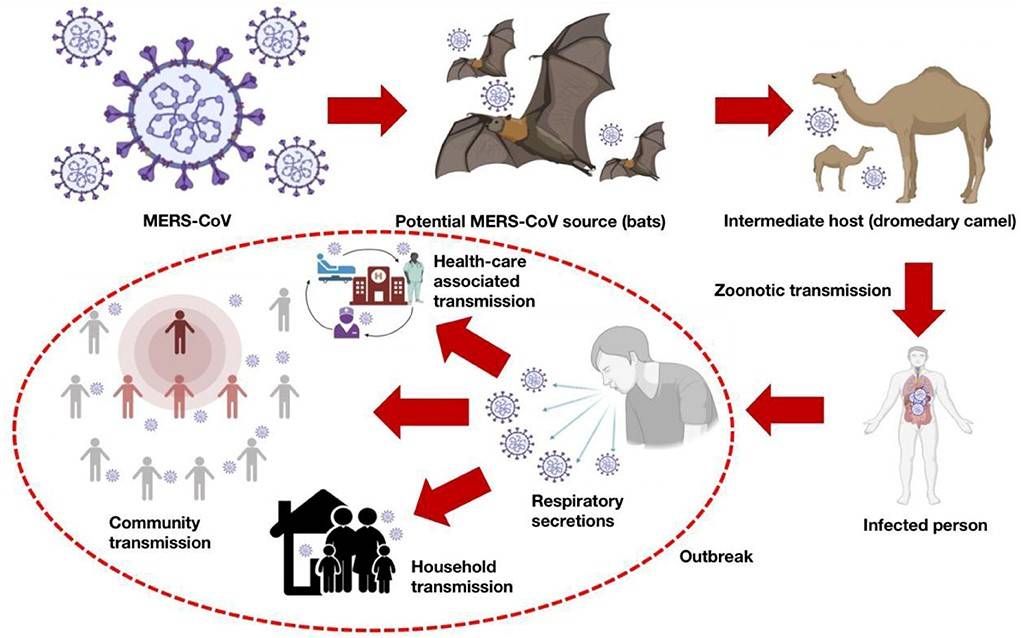 Figure 2. Epidemiological Characteristics of MERS-CoV.( Ahmad, Tauseef, 2022)
In the light of available scientific literature, MERS-CoV possesses significant public health challenges. Moreover, good personal hygiene and medical practices should be followed to prevent the spread of MERS-CoV as shown in Figure 3.
 Figure 3. Good personal hygiene and medical practices for MERS-CoV.( Ahmad, Tauseef, 2022)
MERS-CoV is an enveloped, positive-sense, single-stranded RNA virus. Its structure consists of several key components:
| Component | Description |
| Envelope | Composed of a lipid bilayer derived from the host cell membrane. It contains viral - encoded glycoproteins that play crucial roles in viral attachment and entry into host cells. |
| Spike (S) Protein | A large homotrimeric glycoprotein that protrudes from the viral envelope. The S protein is responsible for binding to the host cell receptor, dipeptidyl peptidase 4 (DPP4), and mediating the fusion of the viral envelope with the host cell membrane, enabling the entry of the viral genome into the cell. |
| Membrane (M) Protein | A smaller integral membrane protein that contributes to the formation and stability of the viral envelope. It interacts with other viral proteins and helps in the assembly of new virions. |
| Envelope (E) Protein | Involved in virus assembly, budding, and release. It also has functions related to the modification of the host cell membrane during the viral life cycle. |
| Nucleocapsid (N) Protein | Binds to the viral RNA genome, forming the nucleocapsid complex. This complex protects the viral RNA and is essential for viral replication and transcription within the host cell. |
MERS-CoV exhibits a spectrum of clinical manifestations which range from mild symptoms to severe illness and death. Patients with MERS-CoV frequently show symptoms of fever along with cough, dyspnea and pneumonia. Certain patients exhibit no symptoms while others display mild respiratory issues. In patients with severe manifestations acute respiratory distress syndrome (ARDS) appears and these cases result in high mortality rates. The reported 35% mortality rate for MERS-CoV infection could be inflated since mild cases likely go undetected by current surveillance methods.

Zoonotic transmission: The MERS-CoV virus spreads between animal hosts and humans. Research demonstrates that humans become infected via direct or indirect exposure to infected dromedary camels but scientists have yet to determine the precise transmission route. Dromedary camels from multiple Member States in the Middle East, Africa, and South Asia have tested positive for MERS-CoV. Studies reveal zoonotic transmission of the virus among human populations with occupational exposure to dromedary camels in African Member States despite few human infections being reported outside the Middle East.

Human-to-human transmission: The virus spreads between humans through close contact and health care environments. Zoonotic transmission has been documented among family members living together, health care personnel and different patients inside health care facilities. The most extensive outbreaks took place at health care facilities located in Saudi Arabia, United Arab Emirates and Republic of Korea. The world has not documented any sustained transmission of human-to-human disease outside health care facilities.
Medical professionals diagnose MERS-CoV by employing molecular biological techniques including reverse transcription polymerase chain reaction (RT-PCR) analysis. Medical professionals frequently use antibody detection as one of their standard diagnostic approaches. The medical community currently lacks both a vaccine and an antiviral treatment for MERS-CoV. Supportive care remains the primary treatment method for MERS-CoV which involves oxygen therapy alongside mechanical ventilation and symptomatic treatment. Research studies have focused on ribavirin and interferon as potential antiviral treatments for MERS-CoV. Diagnostic tests for MERS-CoV infection exist in multiple laboratory formats.
Medical professionals do not yet have access to any antiviral drugs specifically approved for the treatment of MERS-CoV infections. Supportive care represents the cornerstone of treatment which encompasses oxygen therapy to sustain proper oxygen levels, fluid replacement therapy, and treatment of additional infections. Although experimental antiviral drugs alongside immunomodulatory therapies have been administered in certain instances they remain under scientific evaluation for their effectiveness and safety. The use of convalescent plasma therapy has been investigated as a potential treatment where antibodies from recovered MERS-CoV patients are transferred to infected individuals through plasma transfusion.
Several Member States reported MERS-CoV transmission in health care facilities involving both health care workers and patients before official diagnosis of the virus. The identification of patients with MERS‐CoV remains challenging without testing due to their non-specific symptoms and clinical features. Clusters of cases and large outbreaks occurred in health care facilities when infection prevention and control practices proved inadequate or improper. Health care facilities must implement infection prevention and control measures to stop MERS‐CoV from spreading. Health care facilities treating patients with suspected or confirmed MERS‐CoV infections need to implement proper precautions to prevent virus transmission to other patients, health care personnel and visitors. Health care workers need education and training in infection prevention and control which they must update regularly to maintain competence.
Infection Prevention and Control in Healthcare Settings: Hospitals and other health care facilities must adopt strict infection prevention methods that include correct PPE usage, maintaining hand cleanliness, separating infected patients from others, and ensuring thorough cleaning and disinfection of medical equipment and surfaces.
MERS-CoV remains a significant public health threat, particularly in the Middle East. While human-to-human transmission is limited compared to SARS-CoV-2, its high mortality rate underscores the need for vigilance. Educating the public and providing health education stand as vital steps toward controlling and preventing MERS-CoV. The government should deliver MERS-CoV health education programs to both the public and medical staff to raise protection awareness amongst the population. To control and prevent MERS-CoV healthcare systems must enhance monitoring and reporting systems and infection prevention measures while also increasing public awareness through education. Effective control of MERS-CoV transmission and its global health impact stems from these preventative measures.
Reference
| Cat. No. | Product Name | Host | Isotype | Application | |
| CABT-45831MH | Anti-DPP4 monoclonal antibody, clone M-A261 [R-PE] | Mouse | IgG1 | FC | Inquiry |
| DMABZ013 | Anti-MERS-CoV monoclonal antibody, clone psc342424 | Mouse | IgG | WB | Inquiry |
| DMABZ014 | Anti-MERS-CoV monoclonal antibody, clone psc342423 | Rabbit | IgG | N/A | Inquiry |
| DPABZ016 | Anti-MERS-CoV polyclonal antibody | Rabbit | IgG | WB, ELISA | Inquiry |
| CABT-NS1771 | Rabbit Anti-MERS-CoV Spike Polyclonal Antibody | Rabbit | IgG | WB, ELISA, IF, IP | Inquiry |
| Cat. No. | Product Name | Size | Species Reactivity | Application | Detection Method | |
| DEIASL186 | Human Anti-MERS-CoV S1 IgG ELISA Kit | 96T | Human | Quantitative | iELISA | Inquiry |
| DEIASL187 | Human Anti-MERS-CoV S2 IgG ELISA Kit | 96T | Human | Quantitative | iELISA | Inquiry |
| DEIASL188 | Human Anti-MERS-CoV RBD IgG ELISA Kit | 96T | Human | Quantitative | / | Inquiry |
| Cat. No. | Product Name | Size | Target | Species | |
| DAG-WT384 | Recombinant Middle East Respiratory Syndrome-CoV (MERS-CoV) VLP | 1 mg | MERS-CoV | / | Inquiry |
| DAG-WT2220 | Recombinant MERS-CoV S-trimer Protein (R751S) [His] | 50 μg, 500 μg, 1 mg | MERS-CoV | / | Inquiry |
| DAGB201 | MERS-CoV Spike Protein (aa 367-606) [His] | 100 μg | / | / | Inquiry |
| DAG-H10295 | MERS-CoV Nucleoprotein (aa 1-413) [His] | 100 μg | / | / | Inquiry |
| DAG-H10296 | MERS-CoV Spike protein S2 (aa 726-1296) [His] | 20 μg, 50 μg | / | / | Inquiry |
| DAG-H10297 | MERS-CoV Spike protein (aa 383-502) [Fc] | 20 μg, 50 μg | / | / | Inquiry |
| DAG-H10298 | MERS-CoV Spike protein S1 (aa 1-725) [His] | 20 μg, 50 μg | / | / | Inquiry |
| DAG-H10300 | MERS-CoV Spike protein (aa 1-1297) [His] | 100 μg | / | / | Inquiry |
| DAG-H10301 | MERS-CoV Spike protein S1 (aa 1-725) [His] | 20 μg, 50 μg | / | / | Inquiry |
Loading ......
