
Inquiry Basket
 Loading ......
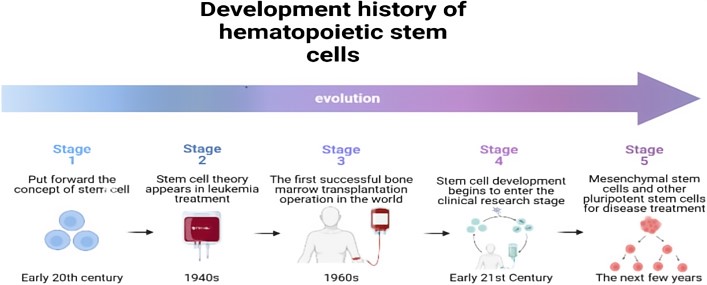 Fig. 1 Development history of stem cells.
(Tang X.; et al. Stem Cell Res Ther. 2023)
Hematopoietic stem cells (HSCs) have the unique abilities to self-renew and differentiate into all blood cell types. In the field of cell therapy, hematopoietic stem cell transplantation (HSCT) is the most frequently used cell therapy. HSCs hold significant promise in treating hematological disorders such as leukemias, lymphomas, and genetic blood diseases. It is known that the identification and characterization of specific surface markers is critical for isolating HSCs from heterogeneous cell populations. By leveraging high-quality antibodies, researchers can engage in comprehensive characterization studies, improve HSC isolation, monitor engraftment, and expand the prospects of cell therapy.
HSCs are defined by two fundamental properties, self-renewal and multipotency, which together ensure lifelong blood cell production and maintain hematopoietic homeostasis.
Self-renewal allows HSCs to generate at least one daughter cell that retains stem cell properties, sustaining a lifelong reservoir crucial for regeneration. This process involves asymmetric mitosis, producing one early progenitor cell and one stem cell, maintaining constant HSC numbers while providing progenitors for differentiation.
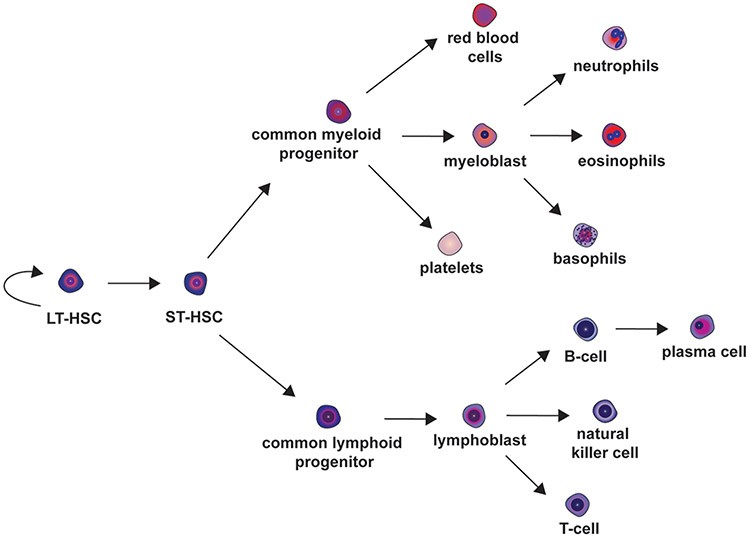 Fig. 2 Hematopoietic stem cell differentiation.
(Carpenter KA.; et al. Curr Top Dev Biol. 2023)
The HSC pools include three main cell types: LT-HSCs, ST-HSCs, and multipotent progenitor cells (MPPs), with varying differentiation potentials. LT-HSCs are at the top of the hematopoietic cascade, and they can maintain multi-lineage hematopoietic reconstruction for a long period. Through asymmetric division, HSCs produce daughter cells and further proliferate and differentiate into lymphoid lineage and the myeloid lineage.
A variety of cytokines and regulators orchestrate the balance between self-renewal and lineage commitment. SCF, IL-3, and TPO promote HSC self-renewal and prevent excessive differentiation, maintaining the stem cell pool. Conversely, G-CSF and GM-CSF drive HSC differentiation into granulocyte and macrophage lineages. Additionally, IL-6 and TGF-β influence the hematopoietic niche, ensuring proper HSC function.
Surface markers are indispensable in HSCs-based cellular therapies, guiding every step from graft selection and purification to advanced gene and ex vivo expansion protocols.
The isolation of HSCs depends on a defined set of surface antigens that distinguish primitive stem cells from more differentiated progenitors and mature blood cells. In human HSC research, the canonical marker is CD34, whose co-expression with low or absent CD38 and CD45RA, along with positive expression of CD90 and CD117 (c-Kit), enriches for cells with long-term engraftment potential. More recent refinements include the addition of CD49f and CD133 to further purify true HSCs from multipotent progenitors.
| Cell surface | Type of protein | Function |
| CD34 | Single-pass transmembrane sialomucin protein | Protein binding. Carbohydrate binding. Sulfate binding. RNA polymerase II-specific DNA-binding transcription factor binding |
| CD90 | GPI-anchored cell surface glycoprotein with a V-like Ig-domain | GTPase activator activity. Integrin binding. Protein binding. Protein kinase binding. Enzyme Building |
| CD49f | Integrin | Integrin binding. Protein binding. Insulin-like growth factor I binding. Neuregulin binding. Cadherin binding |
| EPCR | Transmembrane receptor | Protein binding. Signalling receptor activity |
| RET | Single-pass transmembrane receptor tyrosine kinase | Protein tyrosine kinase activity. Transmembrane receptor protein tyrosine kinase activity. Nucleotide binding. Protein kinase activity. Protein serine/threonine/tyrosine kinase activity |
| GPRC5C | GPCR protein | G protein-coupled receptor activity. Protein kinase activator activity. Protein binding |
| CD117 | Receptor Tyrosine Kinase | Nucleotide binding. Protease binding. Protein kinase activity. Protein kinase activity. Protein seine/threonine/tyrosine kinase activity. Protein tyrosine kinase activity |
| CD133 | Pentaspan Transmembrane glycoprotein | Protein binding. Cholesterol binding. Actinin binding. Cadherin binding |
| CD59 | Cell surface glycoprotein | Complement binding. Protein binding |
| CD45 | Protein tyrosine phosphatase (PTP) family | Phosphoprotein phosphatase activity. Protein tyrosine phosphatase activity. Transmembrane receptor protein tyrosine phosphatase activity. Signaling receptor binding. Protein binding |
| GPI-80 | GPI-anchored cell surface protein and pantetheinase | Protein binding. Pantetheine hydrolase activity |
| CD43 | Transmembrane sialylated glycoprotein | Transmembrane signaling receptor activity. Protein binding. Hsp70 protein binding. Heat shock protein binding |
| CD44 | Cell-surface glycoprotein | Transmembrane signaling receptor activity. Cytokine receptor activity. Collagen binding. Hyaluronic acid binding |
| CD9 | Tetraspanin | Integrin binding. Protein binding |
| CD48 | SLAM-family GPI-anchored cell surface glycoprotein | Antigen binding. Protein binding. Signalling receptor activity |
| CD84 | SLAM-family cell surface glycoprotein | Protein binding. Identical protein binding |
| CD244 | SLAM-family heterophilic receptor | Protein binding. Signaling receptor activity. MHC class I protein binding |
The identification or isolation of hematopoietic stem cells is generally based on the combination of several different cell surface markers to separate rare hematopoietic stem cells from the surrounding blood cells.
Classical Human LT-HSC
Lin-CD34+CD38-CD45RA-CD90+CD49f+
Progenitor cell
MPPs: Lin-CD34+CD38-CD90-CD45RA-
CLPs: Lin-CD34+CD10+CD7+
CMPs: Lin-CD34+CD38+CD123^med CD135+CD45RA-
GMPs: Lin-CD34+CD38+CD123^med CD135+CD45RA+
MEPs: Lin-CD34+CD38+CD123-CD135-CD45RA-CD110+
 Fig. 3 General approaches to increase donor hematopoietic stem cell availability for cellular therapy.
(Ding J.; et al. Cells. 2023)
HSCT remains the cornerstone of HSC cell therapy, with autologous, allogeneic, and syngeneic transplants approved for a spectrum of malignant and nonmalignant disorders. In recent years, several advanced therapy medicinal products (ATMPs) have gained regulatory approval, including gene therapies that genetically modify autologous CD34+ HSCs to correct inherited blood disorders, and expanded cell products designed to enhance engraftment kinetics.
| Name (Brand) | Type | Indication(s) | Approval Year | Regulatory Agency |
| Casgevy | CRISPR-edited autologous HSC therapy | Sickle Cell Disease (SCD) and Transfusion-Dependent Beta Thalassemia (TDT) | 2023 (SCD), 2024 (TDT) | FDA |
| Zynteglo | Lentiviral-modified autologous HSC therapy | Transfusion-Dependent Beta Thalassemia | 2022 | FDA |
| Lyfgenia | Lentiviral-modified autologous HSC therapy | Sickle Cell Disease with vaso-occlusive events | 2023 | FDA |
| Omisirge | Ex vivo expanded allogeneic cord blood HSCs | Hematologic malignancies undergoing myeloablative conditioning | 2023 | FDA |
| Lenmeldy | Lentiviral-modified autologous HSC therapy | Metachromatic Leukodystrophy (MLD) in pre-symptomatic or early symptomatic children | 2024 | EMA |
| Ryoncil | Allogeneic mesenchymal stromal cell therapy | Steroid-refractory acute Graft-versus-Host Disease (aGVHD) in pediatric patients | 2024 | FDA |
| Strimvelis | Retroviral-modified autologous HSC therapy | Severe Combined Immunodeficiency due to Adenosine Deaminase deficiency (ADA-SCID) | 2016 | EMA |
References
Loading ......
