
Inquiry Basket
 Loading ......
Heartland Virus is an emerging tick borne band virus that can cause severe diseases characterized by acute thrombocytopenia and lymphopenia. The virus is prevalent in the eastern United States and is carried by the solitary tick (Amblyomma Americanum). Since its discovery in 2009, at least 60 human infections have been recorded in the region, with an overall estimated mortality rate of 5-10%. All reported infections so far have occurred after known tick bites or contact with tick infested areas, but the possibility of hospital transmission has not been ruled out. Although serum positivity rates are relatively high in certain wild animal species such as white tailed deer, the host species of heartland virus are still unknown as the virus has never been isolated from any mammalian wild animal species.
 Figure 1. Heartland Virus.(Mantlo, E. K, et al. 2023)
Heartland Virus was initially classified as Phlebovirus, but has recently been reclassified as a new genus of Bandavirus along with other similar viruses such as Severe Fever with Thrombocytopenia Virus (SFTSV), Bhanja Virus (BHAV), and Lone Star Virus (LSV). Among them, the virus most closely related to heartland virus is SFTSV, which has 65-69% sequence homology. As a member of the Filoviridae family in the Bunyavirales order, heartland virus is a single stranded negative RNA virus whose genome consists of small fragments (S), medium fragments (M), and large fragments (L). L-fragment encoding RNA dependent RNA polymerase (RdRp). The M fragment encodes structural glycoproteins Gn and Gc, while the S fragment encodes nucleocapsid (N) and non structural NSs proteins. All three genome fragments have different 5 'and 3' untranslated regions (UTRs), forming secondary structures that serve as promoters for viral genome replication and transcription. Interestingly, although these UTR sequences differ between viruses, the RdRp and N proteins of HEARTLAND VIRUS can recognize the SFTSV UTR sequences and initiate replication and transcription in the metagenomic system.
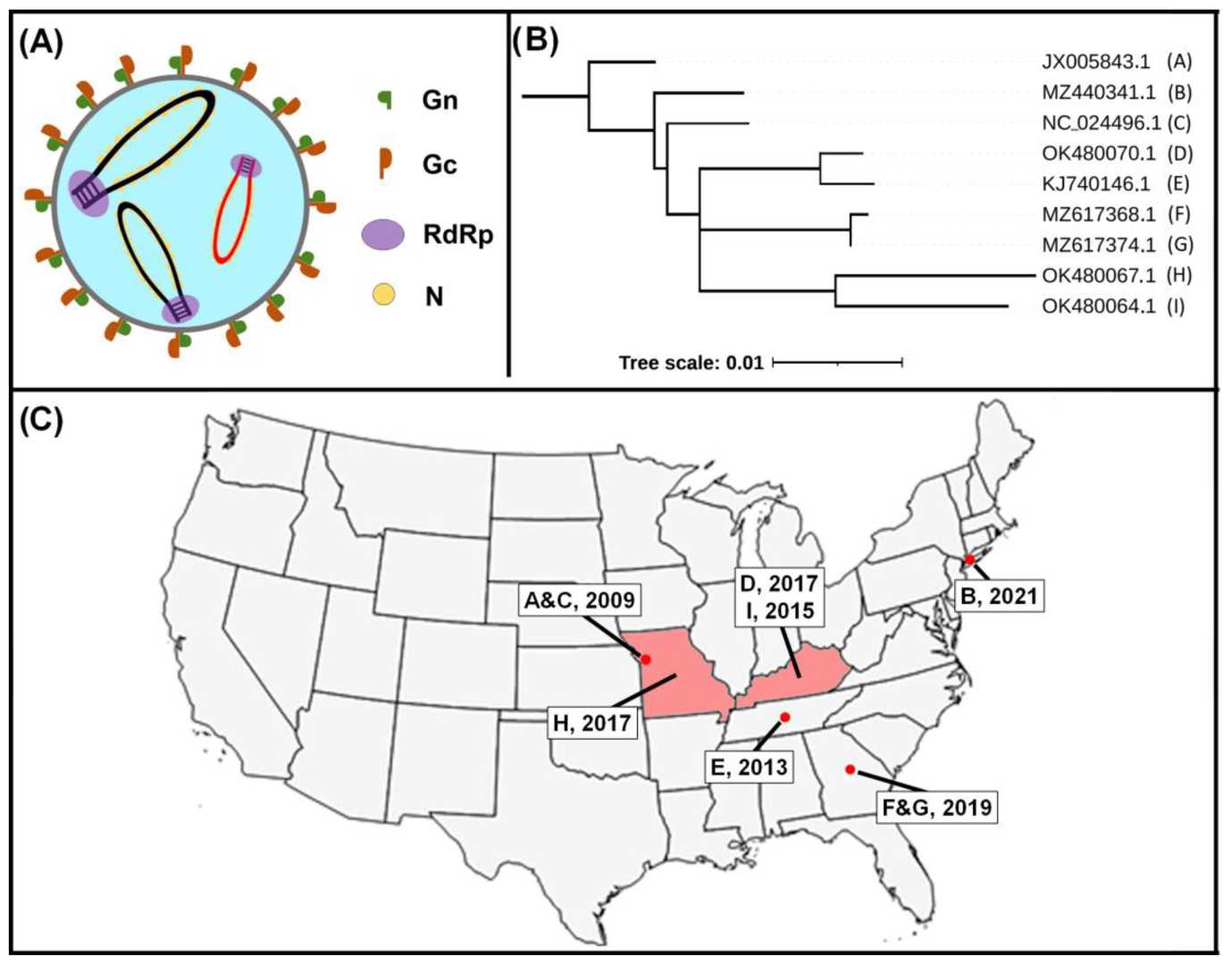 Figure 2. Viral Etiology of Heartland Virus.( Mantlo, E. K, et al. 2023)
| Core Pathogenic Mechanism | Details |
| Virus invasion | HRTV first binds to heparan sulfate (HS) on the surface of host cells through Gn, and then binds to β 1 integrin (α 5 β 1/α v β 1 subtype, main receptor) through Gc (containing RGD motif). It is internalized through clathrin mediated endocytosis, and endosome acidification triggers Gc mediated envelope fusion, with the nucleocapsid entering the cytoplasm. |
| Intracellular replication | Transcription translation: L protein (dependent on HSP70 to maintain conformation) transcribes positive chain mRNA using negative chain RNA as a template, preferentially binds to host eIF4E/eIF4G to inhibit host translation, and synthesizes N, GPC, and L proteins; The N protein binds to viral RNA to form a replication complex (RNP). Copy assembly: The L protein in RNP synthesizes positive chain intermediates, which then generate negative chain genomes; SLC29A1 is required to provide nucleoside raw materials. Gn/Gc is processed by the endoplasmic reticulum Golgi apparatus and assembled into particles with RNP, which are released through Rab11 mediation. Autophagy hijacking: The N protein binds to ATG5, inhibiting autophagosome lysosome fusion and providing a "protective compartment" for the virus. |
| Organizational damage | Direct damage: Activate platelet caspase-3/9 to induce apoptosis, inhibit liver cell Bcl-2 to promote necrosis; Consuming ATP and inhibiting ARG1 can cause metabolic disorders. Immunopathology: Infected cells activate TLR3, trigger NF - κ B/IRF3, and release pro-inflammatory factors such as TNF - α and IL-6, leading to a "cytokine storm". Degradation of occludin/claudin-5, activation of TF factor, leading to vascular injury and DIC. |
The transmission of heartland virus may largely rely on the solitary tick, the American blunt tick, which can spread various diseases to humans and animals, including Bourbon virus, canine and human rickettsia, and feline cytoplasmic worms. There is no evidence to suggest that heartland virus is directly transmitted between animals and humans. The American tick is a multi host tick with an expanding distribution range, highly overlapping with the geographical distribution of human heartland virus cases. Monitoring studies have found ticks infected with heartland virus in areas near known human cases and throughout the distribution range of American ticks. The virus or viral nucleic acid has been isolated from the nymph and adult stages of the American tick, but so far, the virus has not been isolated from tick larvae collected in the wild. However, experimental studies have found that larvae are susceptible, and it has been reported that the virus can be transmitted through the ovaries and across hosts. These studies also suggest that when larvae parasitize with infected ticks in the nymph stage within the host, they may also be infected.
There isn't a set time for how long people show signs or symptoms of Heartland virus. In mild cases, people may have symptoms for a few weeks. More severe cases may last months. Almost all people who get the virus end up in the hospital for IV fluids and other treatment to help with their symptoms.
At present, the prevention of human heartland virus infection mainly relies on general tick avoidance measures. The best common measures to prevent human tick bites include: (1) avoiding tick infested areas, such as high grass, bushy areas, or areas with dense trees. (2) Use tick repellents, including synthetic insecticides (such as permethrin or mosquito repellent) or natural insecticides (such as lemon eucalyptus oil). (3) when returning from areas where ticks are known to be present, a full body examination should be conducted, and pets' clothing and apparel should be thoroughly inspected. Effective tick prevention and mite killing agents are also widely used in large and small domestic animals, but pet owners should consult a veterinarian to determine the most suitable product for a specific species.
Reference
| Target | Cat. No. | Product Name | Host | Isotype | Application | |
| Heartland virus Glycoprotein 1 | DPAB-L20527 | Anti-Heartland virus Glycoprotein 1 Polyclonal antibody | Rabbit | IgG | ELISA | Inquiry |
| DPAB-L20528 | Anti-Heartland virus Glycoprotein 2 Polyclonal antibody | Rabbit | IgG | ELISA | Inquiry | |
| DPAB-DC4308 | Anti-Heartland virus G1 protein Polyclonal antibody | Rabbit | IgG | ELISA | Inquiry | |
| DPAB-DC4309 | Anti-Heartland virus G2 protein Polyclonal antibody | Rabbit | IgG | ELISA | Inquiry |
| Target | Cat. No. | Product Name | Size | |
| Heartland virus Glycoprotein 1 | DAG-WT3562 | Recombinant Heartland virus Nucleoprotein [His] | 100 g, 1 mg | Inquiry |
| Heartland virus Glycoprotein 1 | DAG-WT3563 | Recombinant Heartland virus Nucleoprotein [His] | 100 g, 1 mg | Inquiry |
| Heartland virus Glycoprotein 1 | DAG-WT3564 | Recombinant Heartland virus NS protein [His] | 100 g, 1 mg | Inquiry |
| Heartland virus Glycoprotein 1 | DAG-WT3568 | Recombinant Heartland virus Glycoprotein G1 [His] | 1 mg | Inquiry |
| DAG-WT3569 | Recombinant Heartland virus Glycoprotein G2 [His] | 1 mg | Inquiry |
Loading ......
