
Inquiry Basket
 Loading ......
Gene therapy plays an increasingly important role in the treatment of human diseases, especially in the treatment of stubborn diseases such as cancer, diabetes, hemophilia, cardiovascular disease and so on. The advantages of gene therapy in curing these stubborn diseases are becoming increasingly apparent, and its application prospects are widely optimistic. Adeno-associated virus (AAV) is one of the most promising viral vectors for gene therapy. AAV belongs to the parvovirus family, which is a linear single stranded DNA virus without envelope. Due to the advantages of long-term latency in the human body without any obvious pathogenicity, weak immunogenicity to the host and broad cell and tissue affinity, people have high expectations for AAV as an ideal gene therapy vector.
Adeno-associated virus (AAV) viral vectors are powerful tools in the research and development of gene therapy. In order to better apply AAV virus vectors in clinical practice, a safer recombinant adeno-associated virus vector (rAAV) has been developed. RAAV is a recombinant vector that removes viral structural genes and possesses the necessary safety, efficacy, and targeting for gene therapy. RAAV has been successfully applied to gene transduction in various human derived cells and has great clinical value. In clinical applications, reliable, accurate, and reproducible rAAV titer quantification is the primary condition for the safety and reliability of gene transfer in clinical applications. Given this scientific and clinical significance, AAV quantitative ELISA kits can accurately quantify multiple serotypes of AAV viruses (2, 5, 6, 8, 9).
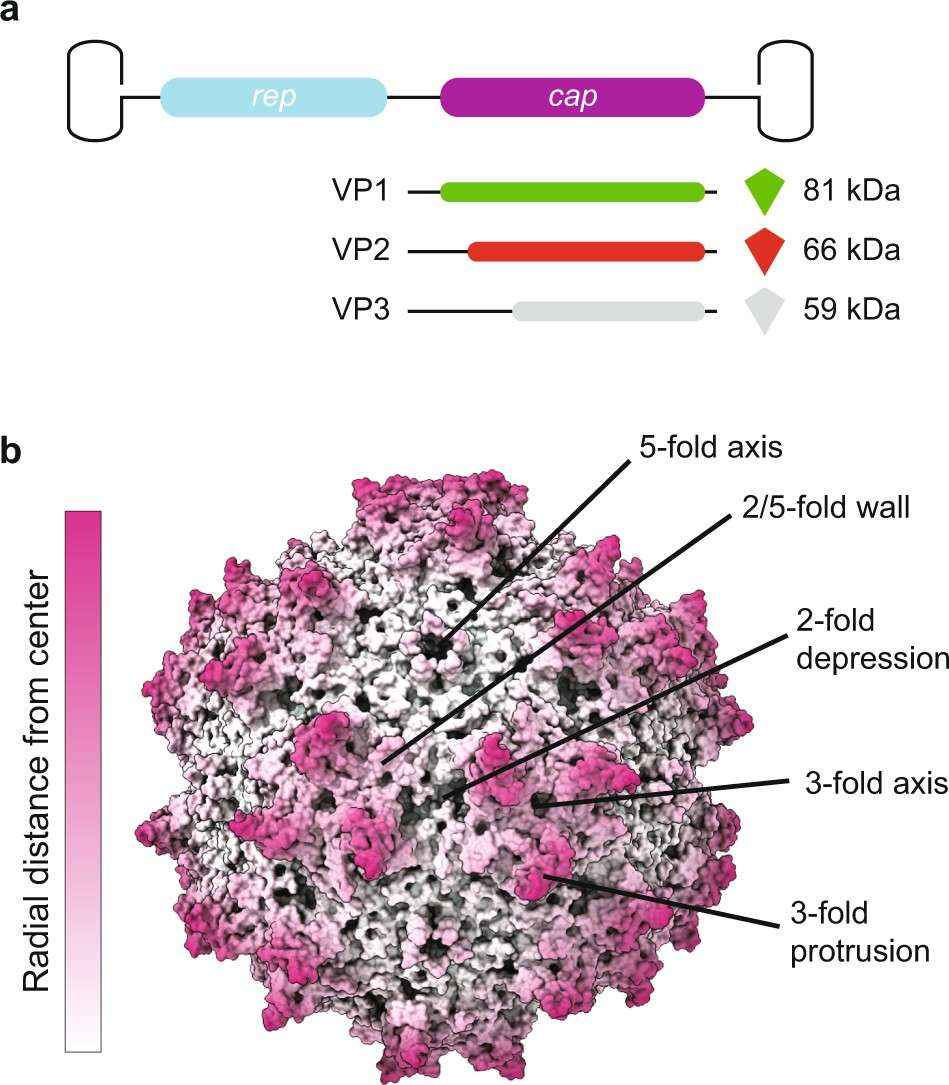 Figure 1. Adeno-Associated Virus.( Wörner, Tobias P., et al. 2021)
In fact, it is not easy to manufacture a safe and effective AAV drug, and its production process is complex, including steps such as constructing vectors, cell culture, extracting and purifying virus particles. During this process, multiple key quality attributes must be tested, among which one of the key release indicators is AAV titer determination. Adequate virus titer is the basis for effective AAV gene therapy, and accurate quantification of AAV vector virus titer is crucial for preclinical and clinical dose standards. In addition, during the AAV vector culture process, the virus titers generated by traditional upstream processes often cannot produce sufficient virus titers and are often lower than what is needed to treat patients.
There are multiple serotypes of AAV antibodies that pre exist in human body, which can to some extent impair the efficacy of gene therapy and restrict the promotion of AAV gene therapy. At the same time, the antibodies of different people are inconsistent in potency and tend to decrease with time, and the antibodies induced by the same gene therapy will also prevent the same patients from taking the same drug again, which will bring certain limitations to the time of gene therapy drugs. Thus, it is necessary to first detect the pre stored antibody levels in experimental animals or populations enrolled in treatment. Although traditional cell-based detection methods are commonly used to detect neutralizing antibody levels in samples, ELISA based total antibody detection methods have become a convenient and powerful tool for rapid screening of samples in the early stages due to their advantages of more convenient operation and shorter time. Especially when dealing with a large number of samples.
An ELISA for quantifying AAV titer is based on the antigen-antibody reaction. Monoclonal antibodies specific for AAV capsid conformational epitopes are used to immobilize viral particles on a solid support, e.g., microtiter plate. Second, bound particles are detected by anti-AAV antibodies coupled with enzymes that catalyze colorimetric reactions. The method has high specificity with little cross reactivity among different AAV serotypes. Various AAV serotypes can be detected by using serotype specific monoclonal antibodies.
This kit uses AAV2 specific antibodies that bind specifically to AAV2 capsid protein.


Creative Diagnostics provides a matching adeno-associated virus (AAV) ELISA titer detection kit. ELISA has always been a classic and reliable method for detecting antibody titers. Our AAV titer detection kit can quantitatively detect AAV of 6 different serotypes. The capture antibody of this ELISA kit is uniquely designed to recognize wild-type, recombinant, or assembled empty AAV plasmids, without recognizing unassembled AAV proteins, resulting in accurate and highly reproducible results. Especially suitable for rAAV feature identification and preparation method optimization. In summary, AAV titer ELISA kits can ensure precise quantification of viral capsids, thereby promoting accurate drug delivery and strict quality control in vector production, while anti AAV antibody ELISA kits can efficiently screen for pre-existing neutralizing antibodies that may affect therapeutic efficacy. These tests together enhance the robustness of gene therapy development. Our AAV titer ELISA detection kit has high specificity, sensitivity, and accuracy, helping you achieve fast and accurate AAV titer detection.
| ELISA Kit | Application |
| DEIA589 | AAV2 Titration ELISA Kit |
| DEIAAV5 | AAV5 Titration ELISA Kit |
| DEIAAV6 | AAV6 Titration ELISA Kit |
| DEIAAV8 | AAV8 Titration ELISA Kit |
| DEIAAV9 | AAV9 Titration ELISA Kit |
The ELISA method is a simple, reliable, and widely used method for measuring AAV titer in gene therapy. The ELISA method relies on the antigen-antibody reaction. The advantage of this method is its high specificity, low cost, and convenient operation. However, it has some disadvantages, such as matrix effects and long turnaround time. However, with the development of the technology, the method can now be used with high precision and efficiency. With the emergence of monoclonal antibodies and the commercial ELISA kits, it can detect AAV titers with high accuracy and repeatability. With the continuous development of gene therapy, the ELISA method will play a more important role in the quality and safety of AAV-based gene therapy products.
Reference
Loading ......
