
Inquiry Basket
 Loading ......
Protein antigen expression refers to inserting genes encoding specific antigenic proteins into expression vectors through genetic engineering technology in host cells, so that these genes can be transcribed and translated in host cells to produce specific antigenic proteins. These antigenic proteins can be recognized by the host's immune system, thereby triggering an immune response. Creative Diagnostics has extensive expertise in the field of protein antigen expression and has advanced expression systems for producing proteins/recombinant antigens to support the preparation of customer antigens. With our unparalleled experience and knowledge in the field of protein antigen expression, we provide efficient, batch-to-batch consistency and scalable production methods to meet a variety of scientific research needs.
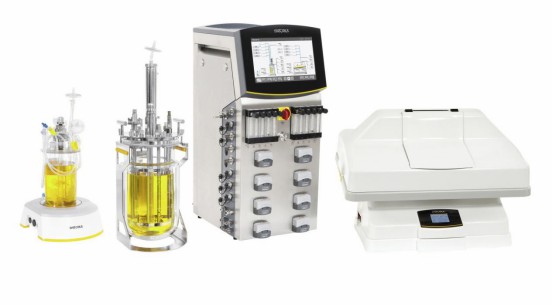
Benchtop Bioreactor
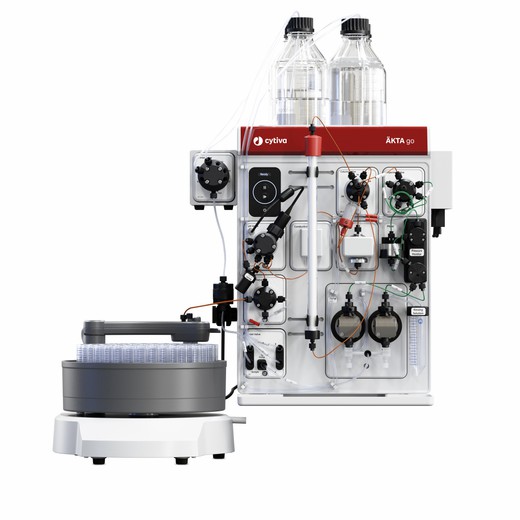
Cytiva-FPLC Systems
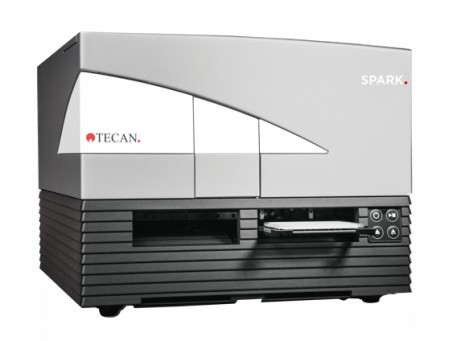
Tecan-ELISA Workstations & Plate Readers
As a trusted leader in antigen production, Creative Diagnostics provides customized solutions to our customers, drawing on decades of experience. Its professional technical capabilities cover the entire chain of antibody and antigen production, phage display technology, innovative diagnostic component development, and key detection reagent research and development, and continue to provide solid technical support to the industry. We offer:
To meet the diverse needs of scientists and product developers for protein antigens, Creative Diagnostics provides professional antigen development and production solutions using a wide range of protein expression systems. We utilize cutting-edge technologies and innovative protein expression methods to ensure reliable, accurate, and efficient antigen generation. Our services include:
According to the characteristics of the target antigen, design and optimize its gene sequence to improve its solubility and expression efficiency in the expression system. For example, codon optimization is used to enhance expression in the prokaryotic system.
Insert the optimized antigen gene into a suitable expression vector to construct a recombinant plasmid. Commonly used expression vectors include pSectag, pGenHT, etc. These vectors usually contain elements such as promoters and signal peptides to promote the correct expression and translation of the antigen.
Select suitable host cells such as Escherichia coli, yeast, insect cells or mammalian cells (such as CHO cells) according to the nature and expression requirements of the antigen. Introduce the recombinant plasmid into the host cell by transfection or infection.
Under appropriate culture conditions, induce host cells to express the target antigen. For example, protein expression can be induced by adding IPTG in Escherichia coli, while specific inducers or conditions may be required in mammalian cells.
Cells are lysed by centrifugation, ultrasonic disruption, etc. to extract the target antigen. Subsequently, the target antigen is purified by affinity chromatography (such as His-tag, GST-tag), ion exchange chromatography, gel filtration chromatography and other methods to obtain high-purity recombinant antigens.
The purified antigen is quality tested, including SDS-PAGE, Western blot, ELISA and other methods to ensure its purity, activity and consistency. Finally, the high-quality recombinant antigen is delivered to the customer or used for further vaccine or diagnostic reagent development.
For large-scale production, it is usually necessary to construct a stable expression cell line and achieve efficient production of antigens through fermentation technology.
In the development of vaccines or diagnostic reagents, the functions of recombinant antigens, such as immunogenicity, epitope coverage, stability, etc., also need to be verified.
Basic information communication: antigen information, expression system selection, protein purification methods, subsequent applications, etc.
Produce and test antigens through small-scale expression systems.
Performance testing and parameter fine-tuning in customer analysis.
Expand the production scale of verified antigens according to customer needs.
Provide quality control certificates, stability reports and comprehensive technical support
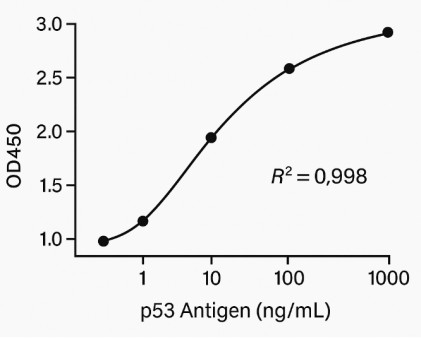
Creative Diagnostics used an ELISA test to test the immunoreactivity of the recombinant P53 antigen. The dose-response curve showed strong concentration-dependent binding with good linearity (R2 = 0.998), confirming its suitability for diagnostic development applications.
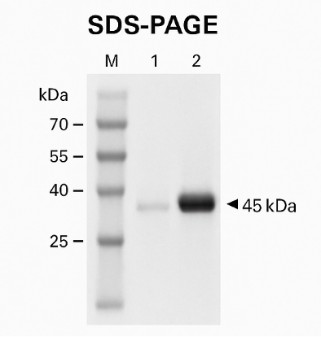
After affinity chromatography, Creative Diagnostics confirmed the high purity of the recombinant antigen using SDS-PAGE analysis. A single prominent band was observed at the expected molecular weight (~45 kDa), indicating a purity of >95%.
Creative Diagnostics provides a variety of protein antigen expression systems, including prokaryotic expression systems (such as E. coli expression systems), which have the advantages of simple operation, rapid growth, and low cost, and are suitable for expressing relatively simple protein antigens that do not require high post-translational modifications; eukaryotic expression systems, such as yeast expression systems, can perform a certain degree of post-translational modification, and the expressed protein antigens are closer to the natural state; there are also mammalian cell expression systems, which can perform complex modifications such as glycosylation, and are often used for the expression of protein antigens that require highly natural conformation and activity.
The service cycle varies depending on the complexity of the expression system and protein antigen. The prokaryotic expression systems provide faster results where purified protein antigens can be obtained within 2-4 weeks from gene synthesis while yeast expression systems demand 3-6 weeks and mammalian cell expression systems require 6-10 weeks or more because of their complex culture conditions and lengthy growth cycles.
Creative Diagnostics uses a variety of strategies to ensure the correct folding and activity of protein antigens. During the gene design stage, codons are optimized to improve expression efficiency and protein quality. For expression conditions, system optimization is performed, including parameters such as temperature, inducer concentration, and culture time. At the same time, advanced protein purification technologies such as affinity chromatography and ion exchange chromatography are used to remove misfolded proteins. In addition, the purity, molecular weight and sequence of the protein are verified by various analytical methods such as SDS-PAGE, Western blot, and mass spectrometry, and the activity of the protein is detected by enzyme activity assays, binding activity assays, and other methods.
Yes. For protein antigens that require special modifications, we will choose a suitable expression system. For example, the mammalian cell expression system has a complete post-translational modification mechanism that can achieve multiple modifications such as phosphorylation and glycosylation. During the expression process, we will optimize the culture conditions and add specific auxiliary factors to promote the occurrence of these modifications. At the same time, mass spectrometry and other technologies will be used to analyze and verify the modifications.
To develop high affinity antibodies using our protein antigens expression, please contact your expert antibody manufacturer, Creative Diagnostics. From research-grade tools to industrial-scale antigens production, our team is ready to support your R&D innovation.
Loading ......
