
Inquiry Basket
 Loading ......
Pyrrolobenzodiazepines (PBDs) represent a group of powerful natural DNA-binding molecules which researchers now focus on because they drive cancer cell death. The scientific community has shown rising interest in molecules from microbial origins because they display extraordinary ability to bind and damage DNA in cancer cells thereby presenting themselves as promising cancer treatment agents. The anticancer action of PBDs operates through multiple mechanisms which include DNA interstrand crosslink formation (ICLs), replication fork collapse initiation, triggering of apoptosis pathways, immune system response activation and prevention of DNA repair system functions. PBDs display a strong potential as cancer treatment tools with capabilities to improve current cancer therapies and lead to new cancer drug developments.
Pyrrolobenzodiazepines exhibit the characteristic of attaching to the DNA minor groove to generate permanent interstrand DNA crosslinks (ICLs). The formation of crosslinks between the two DNA strands within the helix structure significantly obstructs the replication process. ICLs represent a highly cytotoxic DNA damage type which stops replication by blocking strand separation thereby causing replication fork stalling and collapse. The disruption of the normal cell cycle functions as the main way PBDs trigger the death of fast-dividing cancer cells.
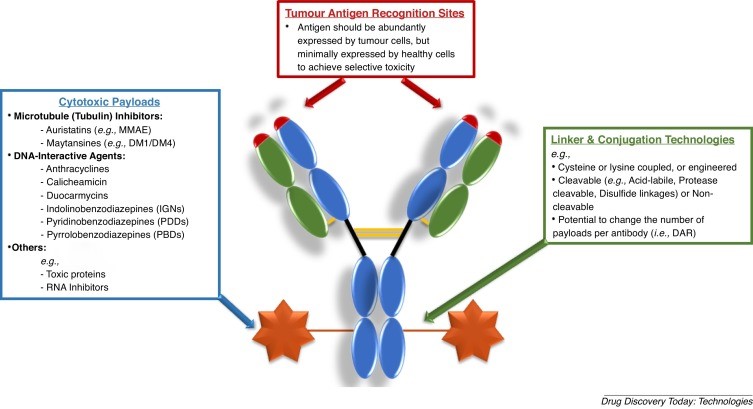 Figure 1. Use of pyrrolobenzodiazepines and related covalently bound DNA-interacting molecules as ADC payloads. (Sources: Jackson PJM, et al. 2018)
PBDs display a distinct specificity for DNA which sets them apart from other chemotherapeutic drugs. Anticancer drugs typically cause DNA damage but PBDs escalate this effect by producing intricate DNA lesions which cells find extremely challenging to fix. Cancer cells often fail to repair DNA damage which leads to cell cycle arrest followed by apoptosis resulting in cell death.
DNA interstrand crosslink formation by PBDs leads to replication fork collapse which represents one of the most critical outcomes. The DNA polymerase requires the double-stranded DNA molecule to unwind during replication to synthesize new strands. The presence of ICLs prevents DNA unwinding which results in the stalling of replication forks. A cell must overcome a significant challenge in its DNA replication process when its replication fork fails to function properly because successful DNA replication is fundamental for cell division.
The replication fork collapses cause serious long-term effects within cellular function. The collapse of replication forks triggers the creation of double-strand breaks (DSBs), which constitute harmful cellular lesions. Cells that cannot fix double-strand breaks (DSBs) will activate apoptosis which serves as a controlled cell death pathway. The susceptibility of rapidly dividing tumor cells to replication stress and DNA damage makes this concept particularly important in cancer research. PBDs initiate replication fork collapse which triggers multiple events that end in cancer cell death.
PBDs utilize apoptosis induction to achieve cancer cell destruction. Programmed cell death occurs through apoptosis which functions as a tightly controlled process responding to significant DNA damage. The DNA damage response (DDR) pathways become active when DSBs accumulate from PBD-induced ICLs that result in collapsed replication forks. The activation of caspases involves multiple signaling events which trigger the execution of apoptosis by this protease family.
The p53 tumor suppressor protein functions as a key mediator of apoptosis when cells experience DNA damage caused by PBDs. DNA damage detection activates p53 protein which triggers cell cycle arrest for repair or initiates apoptosis when repair is not possible. The cellular mechanism prevents survival and proliferation of cells that accumulate excessive DNA damage. PBDs activate apoptosis in cancer cells with p53 mutations or dysfunction which circumvents the essential tumor-suppressive function of p53 thus making PBDs effective against p53-mutated cancers.
The exciting potential of PBDs extends to activating the immune system beyond their ability to directly damage DNA and induce apoptosis. Scientific studies now reveal that DNA damage from PBD treatment results in immunogenic cell death (ICD) because this type of cell death activates an immune response. Immunogenic cell death in cancer cells results in the release of damage-associated molecular patterns (DAMPs) and tumor antigens which become targets for immune system recognition. When the immune system becomes activated it triggers the accumulation of immune cells like dendritic cells, macrophages and T lymphocytes which proceed to destroy leftover tumor cells.
Immunogenic cell death provides a dual benefit in cancer therapy by delivering direct cancer cell destruction through PBDs and establishing sustained immune monitoring. The dual action which eliminates the primary tumor simultaneously prevents cancer recurrence by enhancing the immune system's response to cancer cells.
Evasion of DNA Repair Pathways: A Key to Sustaining DNA Damage
PBDs stand out because they can bypass the cellular DNA repair systems. Cells initiate multiple repair mechanisms when DNA damage happens including homologous recombination (HR) and nucleotide excision repair (NER). The generation of interstrand crosslinks through PBDs disrupts normal DNA repair processes which creates difficulties for cells to maintain their DNA structure.
PBDs enhance the destructive effects of ICLs by blocking DNA repair mechanisms which forces the cell to undergo apoptosis. DNA repair pathway defects in tumors increase the relevance of this finding. Cancer cells that contain mutations in BRCA1 or BRCA2 (key components of HR processes) demonstrate increased vulnerability to DNA crosslinking agents such as PBDs.Cell sensitivity to PBDs enables new combination therapy possibilities by combining PBDs with other DNA repair inhibitors such as PARP inhibitors to improve therapeutic results.
Preclinical and clinical studies reveal the potential of PBDs as innovative options for cancer therapy. Research on animals demonstrated PBDs produce significant anticancer effects particularly against resistant hematological cancers and solid tumors which show no response to traditional chemotherapy treatments. Clinical trials are currently evaluating the potential of PBD-based treatments as standalone therapies or when used in combination with other drugs against breast cancer as well as ovarian and lung cancer.
The path towards clinical application of PBDs remains challenging in spite of their demonstrated potential. The combination of drug resistance with toxicity and off-target effects presents multiple challenges that need addressing. Systems delivering drugs through nanoparticles and liposomes may solve the main issues by enhancing PBDs' ability to target cancer cells and reducing their effects on healthy tissues.
Pyrrolobenzodiazepines represent cutting-edge cancer treatments by delivering a potent mechanism to eliminate cancer cells. Pyrrolobenzodiazepines generate DNA interstrand crosslinks while triggering replication fork collapse and apoptosis signaling activation, stimulating immune responses and evading DNA repair mechanisms which enables them to address limitations found in conventional cancer treatments. PBDs may gain recognition as essential anticancer drugs through ongoing research and clinical trials by providing new treatment options for patients with challenging cancers.
Reference
| Target | Cat. No. | Product Name | Host | Isotype | Application | |
| PBD | CABT-L3116 | Rabbit Anti-PBD SG3199 polyclonal antibody | Rabbit | IgG | ELISA | Inquiry |
| CABT-L3117 | Mouse Anti-PBD SG3199 monoclonal antibody, clone 8I7I0B7 | Mouse | IgG | ELISA | Inquiry |
| Target | Cat. No. | Product Name | Expression System | Tag/Conjugate | Application | |
| PBD | DAG-WZ1008 | PBD SG3199[BSA] | BSA | ELISA, LFIA | Inquiry | |
| DAG-WT677K | MC-Val-Ala-PBD [KLH] | N/A | KLH | N/A | Inquiry | |
| DAG-WT677B | MC-Val-Ala-PBD [BSA] | N/A | BSA | N/A | Inquiry |
Loading ......
