
Inquiry Basket
 Loading ......
As crucial antigen presenting cells, dendritic cells (DCs) play a vital role in tumor immunotherapy. B and T lymphocytes are the mediators of immunity, but their function is under the control of dendritic cells. Dendritic cells in the periphery capture and process antigens, express lymphocyte co-stimulatory molecules, migrate to lymphoid organs and secrete cytokines to initiate immune responses. They not only activate lymphocytes, they also tolerize T cells to antigens that are innate to the body (self-antigens), thereby minimizing autoimmune reactions. Dendritic cells (DCs) constitute a rare immune cell population within tumours and lymphoid organs, but these cells are central for the initiation of antigen-specific immunity and tolerance. DCs in cancer immunology.
Diversity of DC subsets. Distinct DC subpopulations as categorized by developmental, phenotypical and functional criteria have been recognized in mice and humans. DCs can also exhibit distinct localization and trafficking properties. Generally, functional specialization of DC subsets arises from their expression of different receptors, including pattern recognition receptors (PRRs). In the tumour microenvironment (TME), DCs acquire, process and present tumour-associated antigens on MHC molecules (signal 1) and provide costimulation (signal 2) and soluble factors (signal 3) to shape T cell responses.
Promotion of antitumour immunity by DCs. As CD8+ T cells are often the main effectors of antitumour immunity, promoting cross-presentation of TAAs by DCs is considered paramount. cDC1s are often associated with superior cross-presentation of antigens, which results in stronger CD8+ T cell immunity, and cDC1s can additionally support TH1 cell polarization of CD4+ T cells. On sensing of appropriate cues, DCs mature and express chemokine receptors and costimulatory molecules. The best characterized chemokine receptor upregulated in maturing DCs is CCR7, which is necessary for the migration of tumour-infiltrating DCs into TDLNs. DCs play a central role in antitumour immunity by conditioning the TME with soluble factors, as well as attracting and mediating priming of antitumour T cells.
DCs drive tolerance in the TME. Under the pressure of antitumour immunity, cancer cell variants can arise that exploit DCs to promote immune tolerance. Presentation of TAAs in the absence of costimulatory signals leads to T cell anergy, and high engagement of inhibitory receptors can limit T cell effector activity. Programmed cell death 1 ligand 1 (PDL1) and PDL2 on DCs and other cells in the TME also inhibit proliferation and cytokine production by programmed cell death 1 (PD1)-expressing activated T cells. DCs can also modulate T cell function by modifying the availability of metabolic substrates. Increased IDO1 expression is observed in tumour-associated DCs, and DC-expressed IDO1 suppresses the proliferation and effector functions of CD8+ T cells, natural killer (NK) cells and plasma cells and contributes to the differentiation of Treg cells.
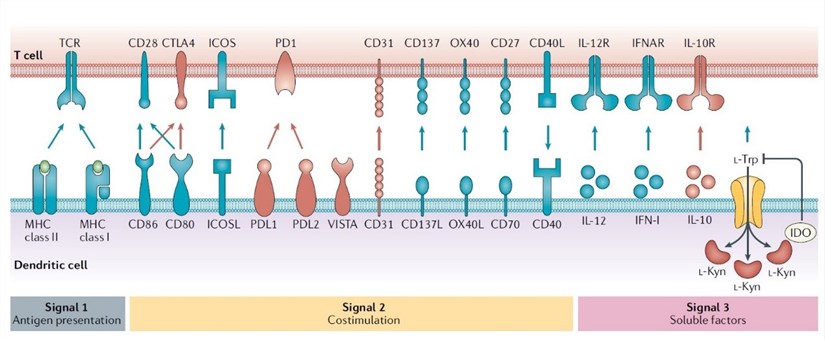 Fig 1. Induction of T cell- mediated immunity or tolerance by DCs.
(Source: Nat Rev Immunol. 2020)
Tolerance to tumours is a major hurdle that must be overcome to fully harness the potential of DCs in cancer immunotherapy.
Activation and mobilization of DCs. Cytokines that mobilize DCs, immunostimulatory adjuvants and agents blocking immunosuppressive DC functions can promote the activation of DCs and T cell priming. Overcoming immunosuppressive activities of cancer associated DCs is another approach to enhance DC function.
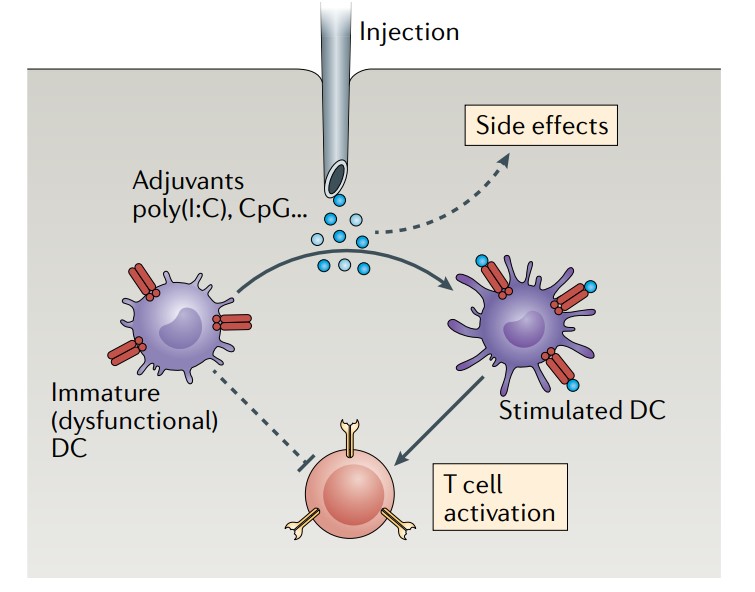 Fig 2. Administration of DC-activating factors.
(Source: Nat Rev Immunol. 2020)
Administration of antigens to boost antitumour immunity. In vivo administration of TAAs that can be presented (or cross-presented) by endogenous DCs has historically been an attractive cancer immunotherapy approach. Much has to be learnt about optimal antigens, adjuvants and formulation of TAA-based cancer vaccines for which DCs are a key target to induce specific T cell-mediated cancer immunity.
Targeting DCs in vivo for cancer immunotherapy. Targeted delivery of antigens and adjuvants to DCs in vivo can improve antitumour immunity. These therapeutic strategies limit potential side effects and show preclinical efficacy controlling cancer, with the first clinical trials ongoing.
Reference
Loading ......
