



Inquiry Basket
 Loading ......
In technical terms, an allergen is an antigen that is capable of stimulating a type-I hypersensitivity reaction in atopic individuals through immunoglobulin E (IgE) responses. Allergens can be found in a variety of sources. An allergic reaction can be caused by any form of direct contact with the allergen—consuming food or drink one is sensitive to (ingestion), breathing in pollen, perfume or pet dander (inhalation), or brushing a body part against an allergy-causing plant or skin contact to dust mite excretion(direct contact). Other common causes of serious allergy are wasps, fire ant and bee stings, penicillin, and latex. For extremely serious allergic reactions, one form of treatment is the administration of epinephrine, which suppresses the body's overreaction to the allergen, and allows for the patient to be transported to a medical facility.
 Fig. 1: Types of Common Allergens
In order to assist the research of allergens and allergenic reactions, Creative Diagnostics offers a set of high-quality specific antibodies to aid allergy research and sensitization evaluation of allergens.
Seed allergies are increasing in all over the word. Major allergens of crop seeds belong to the seed storage proteins, include proteins like vicilins, legumins, and albumins. These proteins are found in the seeds of many plants, and are often highly abundant. Those allergic to one seed have a high chance of being allergic to other seeds. Sesame, mustard, sunflower, and poppy seeds cause the most allergic reactions. Besides, buckwheat, wheat, and soybeans are the main sources of crop allergens. If allergic to wheat, likely to be allergic to related cereals as well, such as barley and rye.
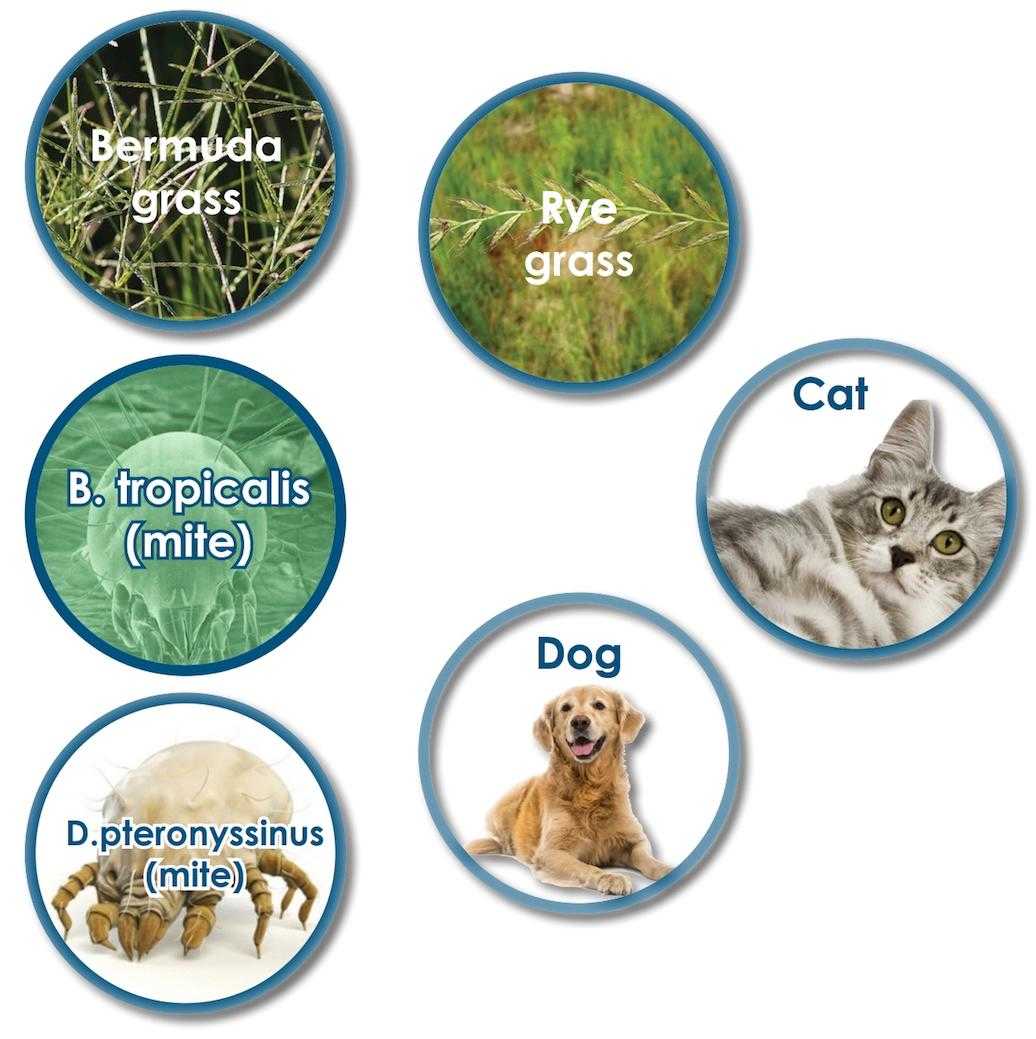
Inhalant and contact allergens are another major allergen categories. Both can trigger extremely serious allergic reactions. Inhalant Allergens commonly found in the air and are inhaled primarily through the nose and respiratory tract. Contact allergens cause allergic reactions through skin contact. Indoor allergens such as dust mites, pet dander, and mold are major contributors to indoor allergic symptoms, while outdoor allergens like pollen and air pollution are key triggers for seasonal allergies. The inhalant and contact allergens mainly include the following,
Most food allergens are proteins, especially those can bind to IgE and trigger a degranulation reaction. These food allergens are often heat stable and can remain allergenic during cooking. Food allergens may share structural similarities with pollen allergens or other food allergens, leading to allergic reactions to multiple substances. For example, people with peanut allergies may develop an allergy to beans, or have an allergic reaction to pollens from certain trees. While more than 160 foods can cause allergic reactions in people with food allergies, there are 9 most common allergenic foods has been identified by US Food and Drug Administration that account for 90 percent of food allergic reactions. They are milk, eggs, fish (such as bass, flounder, cod), crustacean shellfish (such as crab, lobster, shrimp), tree nuts (such as almonds, walnuts, pecans), peanuts, wheat, soybeans, and sesame.
 Fig. 2: 9 most common allergenic foods
Immunological testing and research methods provide important technical means for the study of allergens and the diagnosis of allergic diseases. Currently, several detection methods including protein-based and DNA-based approaches using analytical techniques such as enzyme-linked immunosorbent assay (ELISA), enzyme allergosorbent test (EAST), radioallergosorbent test (RAST), lateral flow immunoassay (LFIA), immunoblotting, real-time polymerase chain reaction (PCR), mass spectrometry and biosensors have been used for identifying and quantifying these allergens.Methods such as skin tests, specific IgE testing, and enzyme-linked immunosorbent assays (ELISA) can help diagnose allergic reactions, while techniques like flow cytometry and single-cell RNA sequencing offer platforms for in-depth studies of allergic mechanisms. The comprehensive use of these methods and tools not only helps us better understand the mechanisms of allergens but also provides guidance for clinical treatment.
Loading ......
