
Inquiry Basket
 Loading ......
According to the benign or malignant nature, adrenal cancer can be classified as benign tumors and malignant tumors. Based on the presence or absence of endocrine function (such as the production of some hormones causing hypertension), it can be classified into non-functional tumors and functional tumors; According to the site of occurrence, it can be divided into cortical tumor, medullary tumor, stromal tumor, or metastatic tumor. The adrenal tumors that are usually surgically treated in clinical practice are mostly functional tumors or suspected malignant (or tumors that cannot be benign or malignant before surgery).
The adrenal gland is an important endocrine organ in the body. Because of its close relationship with the kidney, it has long been considered a urological disease. The human adrenal gland is located on the left and right sides behind the peritoneum. Its lower outer side is in close contact with the upper inner side of the two kidneys. Adrenal gland at a glance has the shape and size of a slightly bent adult last finger. Its head, body and tail also look like the shape of the last finger from the root to the tip.
Most adrenal cancers arise from the outer layer of adrenal cortex. Very rarely they can arise from the adrenal medulla (inner layer). The following are the main types:
The public's attention and expectations have been strong, and a lot of research and work have been made in this area. In the field of biochemical and pharmacological research, great progress has been made. It has been known that in addition to adrenaline, norepinephrine and dopamine can also be extracted from the adrenal medulla. They have fewer side effects than adrenaline and often have better hemodynamic effects for increasing blood pressure and saving lives. More importantly, with regard to the function of the adrenal cortex, we have known through nearly half a century of research that there are more than 40 kinds of corticosteroids (chemically named steroids or steroids) that can be produced and secreted from the adrenal cortex. Taking into account some available intermediate products or derivatives, there are more than 70 kinds of these substances. Corticosteroids can be roughly divided into three categories, which are briefly introduced as follows:
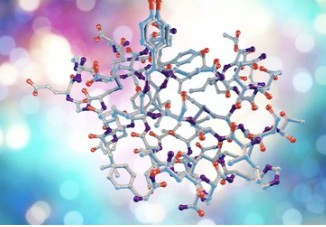
The glucocorticoids are represented by cortisol. It is widely used inclinical practice as cortisone. This kind of hormone can promote the deamination of amino acids into ketones to promote gluconeogenesis and maintain the concentration of blood glucose. The lack of this hormone can easily cause hypoglycemia. When this hormone is in excess, gluconeogenesis is enhanced, which can damage proteins or inhibit their synthesis, leading to subcutaneous fat increase, increased blood sugar, thin skin with purple lines, muscle weakness, and osteoporosis. In addition, glucocorticoids also have an effect on the metabolism of many substances. Combined with insulin, auxin, adrenal medulla hormone, etc., to regulate the metabolism of substances and energy supply in the human body and coordinate and balance each other's physiological activity.
Treatment depends on the stage, tumor size, and general health of the patient, and is planned by a team of surgeons, oncologists, and radiologists.
| Treatment | Descriptions |
|---|---|
| Surgery | Radical adrenalectomy: This involves removal of the whole adrenal gland, surrounding fat, and nearby lymph nodes. For tumors that grow into the inferior vena cava (large vein behind the kidney), complex vascular resection may be necessary. Laparoscopy and open surgery: Open surgery is more suitable for large or invasive tumors, while laparoscopic surgery can be considered for small low-risk tumors. Resection of metastatic tumors: Surgical removal of isolated metastatic tumors (such as in liver or lung) may improve survival in some cases. |
| Radiotherapy | Adjuvant radiotherapy: may be considered to reduce the risk of local recurrence in patients with incomplete tumor resection or high-risk features (such as positive margins). Palliative radiotherapy: Used to relieve pain caused by bone metastasis or local tumor growth. |
Adrenal cancer is a rare and invasive malignant tumor that has varied clinical features according to hormone production. Early disease can be diagnosed on imaging and hormonal assays, and the only opportunity for cure of local disease is resection. Chemotherapy (mainly mitoxan-based regimens) and new targeted therapies are the mainstay of therapy for late or recurrent disease, and may help prolong survival. Multidisciplinary nursing and close follow-up are also important to control recurrences and treat side effects of these treatments. Ongoing research into the genetic basis of cancer and new therapeutic strategies also continue to add to the treatment armamentarium and raise the hope of better outcomes in the future.
| Cat. No. | Product Name | Host | Isotype | Application | |
| DCABY-428 | Anti-Dehydroepiandrosterone monoclonal antibody, clone EIFB(-4):2-20.2 (CHO/228/2202) | Mouse | IgG1 | ELISA | Inquiry |
| DCABY-429 | Anti-Dehydroepiandrosterone monoclonal antibody, clone EIFB(-8):2-65.2 (CHO/2280/652) | Mouse | IgG1 | ELISA | Inquiry |
| Cat. No. | Product Name | Size | Species Reactivity | Application | Detection Method | |
| DEIACL42 | CDSimple 6 4 DHEA Chemiluminescent ELISA Kit | 96T, 192T | Human | Quantitative | Inquiry |
Loading ......
