Monoclonal and Polyclonal Antibody Analysis
The Significance of Monoclonal and Polyclonal Antibody Analysis
Monoclonal and Polyclonal Antibody Analysis assesses the strength of immune response, drug effect or disease pathology by detecting single specificity or multiple complexity of antibodies. Derived from one B-cell clone type monoclonal antibodies demonstrate precise attachment to distinct antigenic epitopes while polyclonal antibodies emerge from various B-cell lineages and display a diverse immune response profile. Understanding unique features of these antibodies generates essential information necessary for pharmaceutical creation and diagnostic reagent enhancement.
Monoclonal Antibody Analysis:
- Precision Target Identification: Analyzes single-epitope binding characteristics (e.g., CDR region binding affinity of anti-PD-1 antibodies) with sensitivity reaching femtogram (fg) levels.
- Drug Development Validation: Validates immunogenicity of therapeutic antibodies and quantifies anti-drug antibody (ADA) affinity via Kd value determination.
- Companion Diagnostics Support: Establishes correlation models between PD-L1 expression and anti-CTLA-4 therapy response (AUC >0.85).
Polyclonal Antibody Analysis:
- Immune Landscape Profiling: The test detects antibody profiles against EBV/CMV pathogens that include multiple epitopes and analyzes IgG/IgA/IgM subtypes.
- Complex Disease Diagnosis: This methodology analyzes the genetic variety of ANA antibodies in systemic lupus erythematosus by distinguishing between anti-dsDNA and anti-Sm antibodies.
- Vaccine Efficacy Assessment: Measures the dynamic response of S-protein multi-epitope antibodies generated by COVID-19 vaccines.
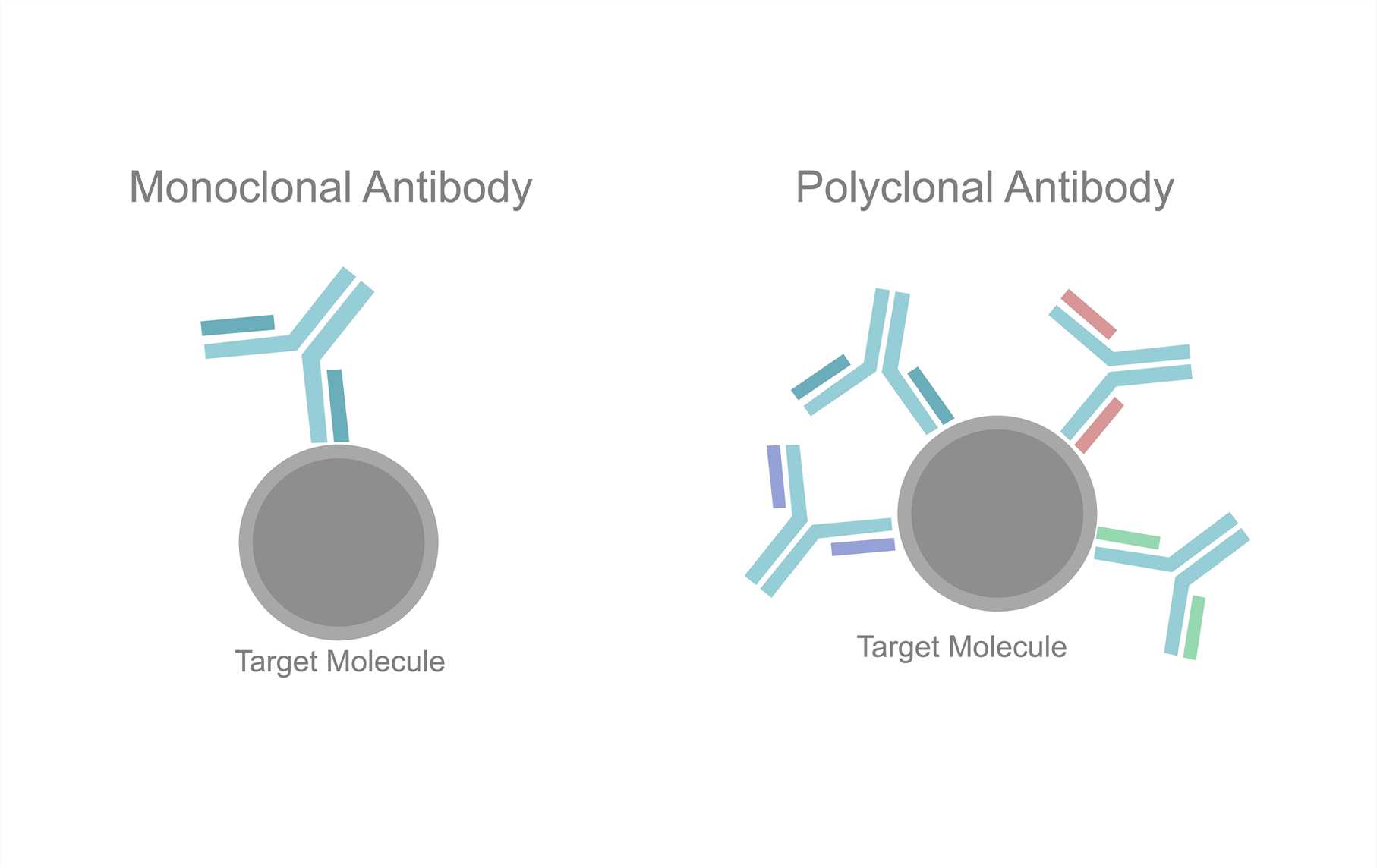
Protein Array Services for Monoclonal and Polyclonal Antibody Analysis
Protein Array uses state of the art protein array technology to offer you Monoclonal and Polyclonal Antibody Analysis. In addition to standard testing services, we offer tailored solutions for your specific experimental needs:
- Customized Antibody Profiling: Supports flexible combinations of 200+ targets, with expandable IgG/IgA/IgM isotype multiplex detection, covering oncology, autoimmune diseases, and infectious disease research.
- Drug Development Support Package: Includes anti-drug antibody (ADA) affinity testing (Kd determination), neutralizing activity analysis, and dynamic immunogenicity monitoring for biosimilar development validation.
- Companion Diagnostic Development: Provides PD-1/CTLA-4 therapy response prediction models, biomarker validation, and IVD assay translation support to optimize precision medicine strategies.
Protein Array's Near-Infrared Microarray Protein Chip Technology Platform
Protein Array offers a cutting-edge near-infrared microarray protein chip technology platform that enhances the capabilities of Monoclonal and Polyclonal Antibody Analysis. Our platform combines technologies such as laser confocal microscopy, near-infrared fluorescent labeling chip, and special functional silica gel matrix membrane with protein chips to improve detection sensitivity and specificity, allowing for more precise analysis of antibody profiling.
The feature of our Monoclonal and Polyclonal Antibody Analysis services at Protein Array include:
- Wash-Free Detection: Hydrophilic-hydrophobic microzone design on silicone membranes enables single-step "load-and-scan" workflows.
- Dynamic Monitoring: Real-time imaging of antibody-antigen binding interactions with 10ms temporal resolution.
- Intelligent QC: Integrated reference channel automatically compensates for temperature fluctuations (±0.5°C accuracy).
Applications of Monoclonal and Polyclonal Antibody Analysis
Monoclonal and Polyclonal Antibody Analysis has a wide range of applications across various fields:
1. Therapeutic Antibody Development
- Epitope mapping for monoclonal antibody candidates.
- Bispecific antibody cross-reactivity validation.
2. Diagnostic Reagent Optimization
- High-sensitivity antibody pair screening (signal-to-noise ratio >50:1).
- Polyclonal antibody batch consistency evaluation (Pearson correlation coefficient >0.95).
3. Vaccine Development Support
- Post-vaccination polyclonal antibody profile monitoring.
- Neutralizing antibody titer and epitope diversity analysis.
4. Biosimilar Evaluation
- Epitope similarity benchmarking against originator drugs.
- Quantification of glycosylation impact on antibody function.
Leveraging the advanced near-infrared microarray protein chip technology platform from Protein Array, Creative Diagnostics' Monoclonal and Polyclonal Antibody Analysis services enable precise characterization of antibody specificity, affinity, and functional dynamics. By integrating advanced techniques such as high-resolution mass spectrometry, real-time binding kinetics, and glycosylation profiling, we deliver critical insights for therapeutic development, diagnostic optimization, and vaccine efficacy assessment.
- Custom Protein Arrays
- Drug Screening and Toxicity Assessment
- Immunoprofiling
- Oncology Drug Screening
- Signaling Pathway Analysis
- Spatial Multi-Omics and Targeted Proteomics
- Vaccine Development
- Antibody Profiling
- Protein-Protein Interaction Studies
- Allergen Screening
- Protein-Nucleic Acid Interaction Analysis