Antibody Subclass Profiling
What Is Antibody Subclass Profiling?
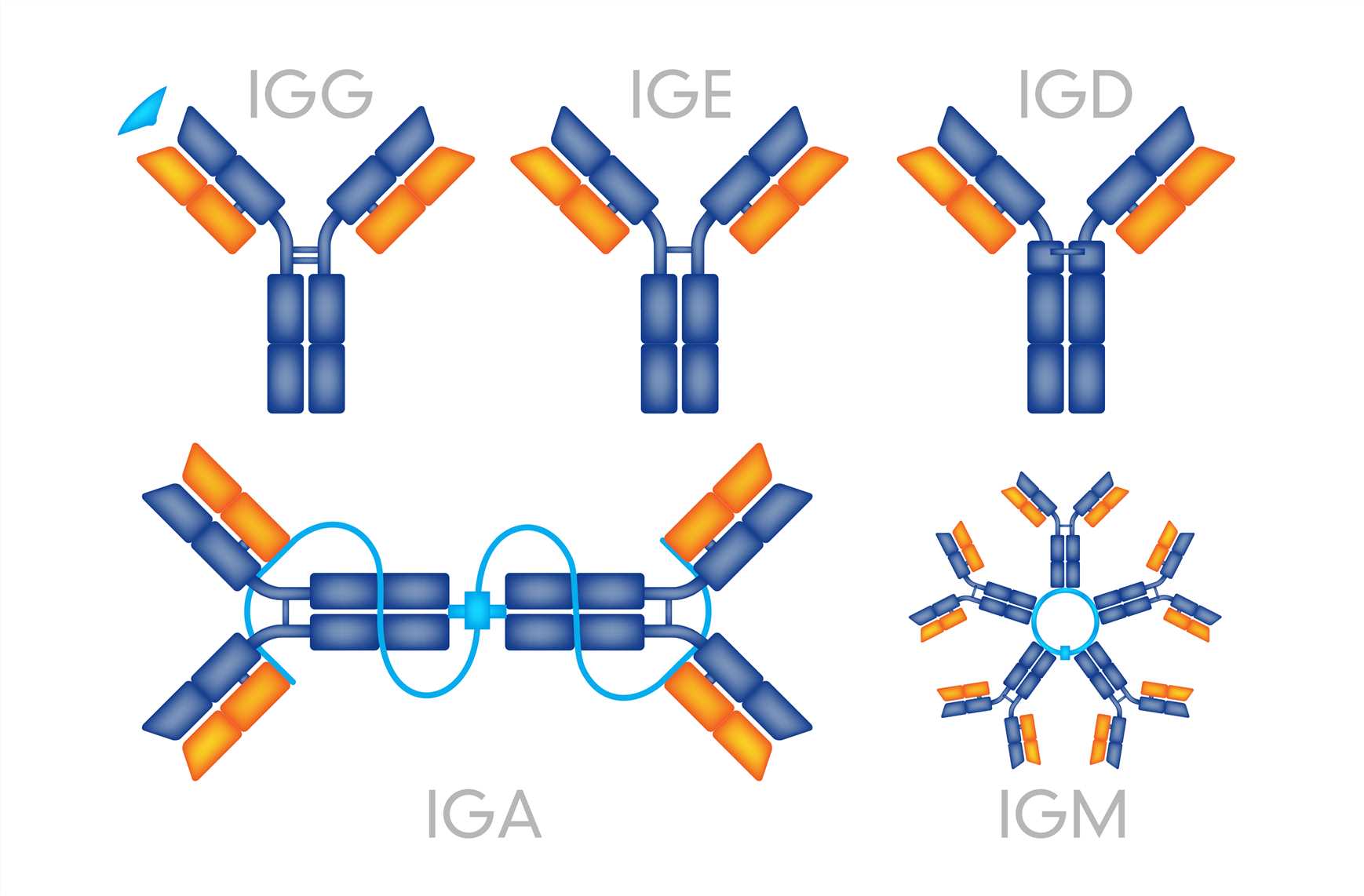
Antibody Subclass Profiling identifies the distribution patterns of different antibody subclasses such as IgG1/IgG2/IgG3/IgG4 which provides molecular-level information useful for studying immune responses along with disease diagnostics and therapy development. Researchers benefit from enhanced immunological study efficiency and better clinical decisions through a single assay that measures subclass ratios and concentration gradients while characterizing functional attributes.
| Subclass | Key Characteristics |
| IgG1 | Neutralizes bacterial and viral pathogens with strong binding affinity; activates the complement system for enhanced pathogen clearance. |
| IgG2 | Targets polysaccharide antigens on bacterial surfaces; elevated in chronic infections and supports immune memory responses. |
| IgG3 | Exhibits the most potent complement activation; dominates acute-phase immune responses against viruses and bacteria. |
| IgG4 | Associated with allergic desensitization and chronic antigen exposure; reduces inflammatory reactions and modulates activity of other subclasses. |
| IgA | Guards mucosal surfaces (respiratory/gastrointestinal tracts) via pathogen neutralization and blockade of microbial adherence. |
| IgM | First responder in primary immune responses; agglutinates pathogens and initiates complement cascade activation. |
| IgE | Mediates allergic responses (e.g., histamine release) and defends against parasitic infections through mast cell activation. |
The importance of Antibody Subclass Profiling is several:
- Disease Subtyping: Differentiate autoimmune disorders (e.g., abnormal IgG1/IgG3 ratios in anti-dsDNA antibody profiles) from infectious diseases (e.g., IgG1 dominance in EBV-specific antibody responses).
- Treatment Prediction: Monitor changes in therapeutic antibody subclasses as indicators of treatment success (such as increased IgG4 levels that match PD-1 inhibitor effectiveness).
- Vaccine Development: Research should map the distribution of vaccine-induced neutralizing antibody isotypes such as IgG1 dominance in responses to SARS-CoV-2 vaccines.
- Biologic Drug Optimization: Analyze antibody subclass bias of biosimilars (e.g., high IgG2 expression).
Protein Array's Service for Antibody Subclass Profiling
We offer integrated antibody subclass analysis services, including:
- Standard Panels: Quantify common antibody subclasses (e.g., IgG1, IgG2, IgG3, IgG4) to rapidly assess immune response profiles.
- Customized Assays: Tailored target combinations and multiplex subclass detection to address disease-specific research needs.
- Longitudinal Monitoring: Track dynamic subclass fluctuations in patient sera to evaluate disease progression and therapeutic efficacy.
- Biologic Development Support: Immunogenicity assessment and subclass distribution analysis for biosimilars across preclinical and clinical phases.
- Vaccine Efficacy Evaluation: Quantify subclass-specific antibody levels post-vaccination to gauge response durability and inform public health strategies.
Protein Array's Near-Infrared Microarray Protein Chip Technology Platform
Protein Array offers a cutting-edge near-infrared microarray protein chip technology platform that enhances the capabilities of Antibody Subclass Profiling. Our platform combines technologies such as laser confocal microscopy, near-infrared fluorescent labeling chip, and special functional silica gel matrix membrane with protein chips to improve detection sensitivity and specificity, allowing for more precise analysis of antibody profiling.
- Ultra-high sensitivity: Detection limits as low as 10-15 g (fg level) with simultaneous IgG/IgA/IgM isotype quantification.
- Multi-subclass coverage: Single-assay profiling of IgG1/IgG2/IgG3/IgG4, offering 500x higher sensitivity than conventional ELISA.
- High-throughput efficiency: >100 targets per chip, enabling concurrent subclass ratio analysis and concentration measurement.
- Low sample consumption: Requires only 2 μL serum per test, ideal for rare/limited samples.
- Automated QC: Real-time calibration and precision validation (CV<5%) to ensure data reproducibility.
Array Example
| Broad Mouse Ig Profiling | ||
| Marker Combination | Target Application | Possible Sample Prep |
| IgG1, IgG2a (or IgG2c), IgG2b, IgG3, IgM, IgA, IgE (all antigen-specific) | Gain a holistic view of the humoral response to a given antigen (e.g., vaccine candidate) | - In vitro: Supernatants from B-cell or splenocyte cultures (antigen restimulation) - In vivo: Serum or plasma post-immunization |
| Th1 vs. Th2 Skewed Response | ||
| Marker Combination | Target Application | Possible Sample Prep |
| IgG1, IgG2a (or IgG2c), IgE (all antigen-specific) | Quickly assess the balance between Th2 (IgG1, IgE) and Th1 (IgG2a) responses | - In vitro: Supernatants from stimulated B cells - In vivo: Mouse serum at multiple timepoints |
| Mucosal vs. Systemic Emphasis | ||
| Marker Combination | Target Application | Possible Sample Prep |
| IgA (secretory IgA if relevant), IgG1, IgG2a, IgM (all antigen-specific) | Investigate mucosal vaccine responses plus systemic response type | - In vitro: Supernatants from organoid or mucosal cell culture - In vivo: Serum, saliva, fecal extracts, or mucosal washings |
Applications of Antibody Subclass Profiling
1. Autoimmune Disease Diagnosis
- Systemic Lupus Erythematosus: Dominance of IgG3 anti-dsDNA antibodies (>70%).
- Rheumatoid Arthritis: Imbalanced IgG1/IgG2 ratios in anti-CCP antibody profiles.
2. Cancer Immunotherapy Monitoring
- Post-PD-1 inhibitor subclass shift (IgG4/IgG1 ratio >5:1).
- Multi-subclass expression profiling of anti-drug antibodies (ADAs) across IgG1/IgG2/IgG3/IgG4.
3. Biologic Drug Development
- Biosimilar immunogenicity assessment: IgG4/IgE ratio quantification (<5%).
- Epitope similarity benchmarking via therapeutic antibody subclass distribution analysis (e.g., IgG1 predominance).
4. Vaccine Development Support
- Neutralizing antibody subclass distribution analysis (e.g., IgG1/IgG3 ratio >10:1 across vaccine candidates).
Leveraging the advanced near-infrared microarray protein chip technology platform from Protein Array, Creative Diagnostics' Antibody Subclass Profiling services provide critical insights into immune response dynamics, therapeutic efficacy, and disease pathology. By precisely quantifying IgG1/IgG2/IgG3/IgG4 ratios and tracking subclass-specific antibody interactions, we empower researchers to decode immune mechanisms and optimize therapeutic strategies. We support autoimmune disease diagnosis, vaccine efficacy evaluation, and biosimilar development. From clinical decision-making to translational research, our platform bridges molecular insights and actionable outcomes, accelerating precision medicine advancements in oncology, immunology, and infectious disease management.
- Custom Protein Arrays
- Drug Screening and Toxicity Assessment
- Immunoprofiling
- Oncology Drug Screening
- Signaling Pathway Analysis
- Spatial Multi-Omics and Targeted Proteomics
- Vaccine Development
- Antibody Profiling
- Protein-Protein Interaction Studies
- Allergen Screening
- Protein-Nucleic Acid Interaction Analysis