• Home
  • Products
    • Functional Slides
      • Aldehyde
      • Alkene
      • Amine
      • Azide
      • Carboxyl
      • Epoxy
      • Maleimide
      • NHS
      • PDITC
      • Poly-L-lysine
      • Streptavidin
      • Thiol
    • Microfluidic Chips
      • Basic Flow Chips
      • Cell and Organism Culture Chips
      • Droplet Generator Chips
      • Droplet Sequencing Chips
      • Electrophoresis Microfluidic Chips
      • Gradient Chips
      • LNP & Nanoparticle Preparation Chips
      • Particle and Cell Sorting Chips
      • Permeation Array Chips
      • Porous Media Model Chips
      • Sample Preparation Chips
      • Vascular Simulation Chips
  • Services
    • Custom Protein Arrays
      • Custom Array Design
      • Functional Protein Arrays
      • Large-Scale Screening
      • Specific Protein Detection
    • Drug Screening and Toxicity Assessment
      • Cytokine Release Assay
      • Dose-Response Toxicity Evaluation
      • High-Throughput Drug Screening
      • Off-Target Effects Analysis
    • Immunoprofiling
      • Cytokine Profiling
      • Immune Checkpoint Molecule Detection
      • Immune Escape Mechanism Analysis
      • T-Cell and B-Cell Profiling
    • Oncology Drug Screening
      • Biomarker Discovery
      • Cell Signaling Pathway Mapping
      • Drug Resistance Mechanism Analysis
      • Target Identification
    • Signaling Pathway Analysis
      • Cross-Talk Between Pathways
      • Glycosylation Status Detection
      • Kinase Activity Assay
      • Pathway Activation/Inhibition Profiling
      • Phosphorylation Status Detection
    • Spatial Multi-Omics and Targeted Proteomics
      • Reverse Phase Protein Array (RPPA)
      • Digital Spatial Profiler (DSP)
      • Spatial Proteomics
    • Vaccine Development
      • Adjuvant Efficacy
      • Antigen Discovery
      • Antigen Mutation Analysis
      • Immunogenicity Assessment
      • Post-Vaccination Immune Response
    • Antibody Profiling
      • Antibody Subclass Profiling
      • Autoantibody Detection
      • Monoclonal and Polyclonal Antibody Analysis
      • Therapeutic Antibody Monitoring
    • Protein-Protein Interaction Studies
      • Co-Factor and Complex Formation Analysis
      • Interaction Network Mapping
      • Mutant vs Wild-Type Interaction Comparison
      • Protein Binding Assays
    • Allergen Screening
      • Common Allergen Detection
      • Cross-Reactivity Assessment
      • IgE Antibody Profiling
    • Protein-Nucleic Acid Interaction Analysis
      • Autoantibody-Nucleic Acid Complex Analysis
      • Chromatin Remodeling Complex Interactions
      • CRISPR-Cas System Recognition
      • Epigenetics (DNA Methylation)
      • Gene Splicing Factor - Pre-mRNA Interactions
      • Nucleic Acid Aptamer Screening
      • Pathogen-Associated Molecular Pattern (PAMP) Recognition
      • RNA-Binding Protein Regulation
      • Small Molecule Interference with Protein-Nucleic Acid Interactions
      • Structure-Dependent Interactions
      • Transcriptional Regulation
      • Viral Protein-Host Nucleic Acid Interactions
  • Resource
    • Biomolecular Interactions
    • Cellular Signaling
    • Drug Discovery
    • Immunology & Diagnostics
  • Technology
    • Protein Biochip Technology Platform (Multi Marker)
      • Silica-Based Membrane as Protein Chip
      • Near-Infrared Fluorescent Labeled Chip
      • Laser Confocal Chip Scanner
  • About Us
  • Contact Us
Get A Free Quote
  1. Home
  2. Services
  3. Protein-Nucleic Acid Interaction Analysis
  4. Epigenetics (DNA Methylation)

Epigenetics (DNA Methylation)

As a basic epigenetic modification DNA methylation regulates gene expression yet its dysfunctions appear often in cancer and various diseases. Researchers can access high-precision and high-throughput solutions through Creative Diagnostics' advanced service platform which utilizes innovative protein chip technology for DNA methylation protein analysis. We offer specialized services that speed up epigenetic research discoveries and help create new diagnostic and therapeutic approaches.
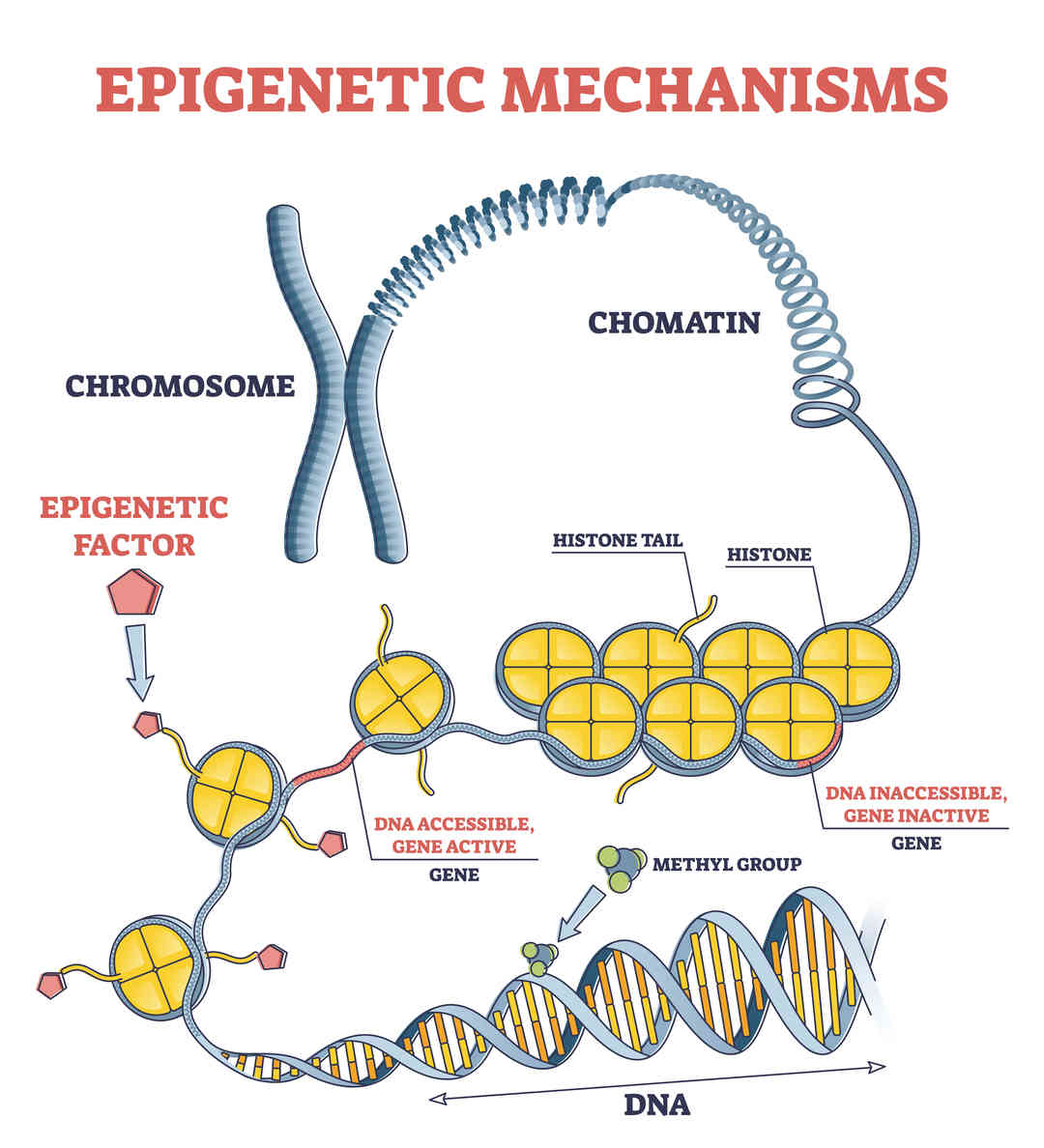
Epigenetic mechanisms as DNA acid gene protein expression in outline diagram

Our Application-Focused Services

  • Characterizing DNA Methyltransferase Interactions for Targeted Cancer Therapy Development:
    1. Application: Our research examines how essential DNA methyltransferases DNMT1, DNMT3A, and DNMT3B interact with particular DNA sequences and regulatory proteins. Targeted development of DNMT inhibitors for cancer therapy requires a thorough understanding of their molecular interactions.
    2. Benefit: Determining DNA substrates that different DNMTs prefer and the co-factors which modulate their activity will allow scientists to design targeted and potent inhibitors of DNMT.
    3. Example: Examine how DNMT3A binds to promoter regions of tumor suppressor genes to elucidate cancer hypermethylation processes and discover therapeutic target opportunities.
  • Profiling Methyl-CpG-Binding Domain Protein Interactions for Biomarker Discovery and Drug Targeting:
    1. Application: Through our platform users can perform detailed assessments of how MBD proteins attach to different methylated DNA sequences. MBD proteins function as crucial regulators of DNA methylation processes and their malfunction is linked to numerous diseases.
    2. Benefit: The specific methylated DNA sequences that different MBD proteins target can be used as biomarkers to diagnose or predict disease outcomes. Investigating these protein-DNA interactions may uncover future drug development targets.
    3. Example: Study how MeCP2 interacts with methylated DNA in neurons to discover its function in neurodevelopmental disorders and find new treatment approaches.
  • High-Throughput Screening for Modulators of DNA Methylation Machinery:
    1. Application: Through our high-throughput screening services we help clients find small molecules or compounds which can adjust the activities or interactions of DNMTs and MBD proteins. Developing new epigenetic drugs requires this essential process.
    2. Benefit: The research aims to identify drug candidates which can suppress abnormal DNA methylation in cancerous cells while restoring typical methylation patterns in other medical conditions.
    3. Example: Evaluate multiple compounds against DNMT1 to determine their potential for blocking the enzyme's catalytic function which regulates DNA methylation in cancer cells.

Biological Significance Highlighted by Our Platform

  • Epigenetic Programming: Understand how the balance between maintenance and de novo methylation is achieved through protein interactions.
  • Chromatin Structure Remodeling: Analyze the interplay between DNA methylation machinery and histone modification complexes.
  • Regulatory Hub for Disease and Health: Investigate the role of aberrant DNA methylation protein interactions in tumorigenesis, aging, and environmental responses.

DNA Methylation Detection Technology

Creative Diagnostics utilizes a near-infrared microarray protein chip technology platform, offering high precision and throughput for analyzing the protein components involved in DNA methylation. Our approach complements traditional DNA methylation detection methods by focusing on the protein interaction aspect, providing unique insights into the regulation and function of this critical epigenetic mark.

Technology TypePrincipleCharacteristics
Traditional Detection Methods
Bisulfite Sequencing
  1. Treat DNA with bisulfite, converting unmethylated cytosine to uracil, while methylated cytosine remains unchanged.
  2. PCR amplification, uracil is replaced by thymine.
  3. Sequencing and comparison with untreated DNA to identify methylation sites.
Gold standard for single-base resolution, but severe DNA degradation (>40% fragment loss)
Methylation-Specific PCR (MSP)
  1. Bisulfite treatment of DNA.
  2. Design methylation and non-methylation specific primers.
  3. PCR amplification, only perfectly matched primers produce amplification products.
  4. Determine methylation status by presence/absence of products.
Sensitivity up to 0.1%, suitable for detecting a small number of sites, low cost
Pyrosequencing
  1. Bisulfite treatment of DNA.
  2. PCR amplification of target region.
  3. Pyrosequencing, real-time monitoring of pyrophosphate release during nucleotide incorporation.
  4. Calculate methylation percentage based on signal intensity.
Accuracy ±5%, commonly used for clinical validation, medium throughput
High-throughput Detection Technologies
Whole Genome Bisulfite Sequencing (WGBS)
  1. Bisulfite treatment of whole genome DNA.
  2. Library construction and high-throughput sequencing.
  3. Compare sequencing results with reference genome to identify genome-wide methylation sites.
Covers 28+ million CpG sites, single-base resolution, high sample requirement (>1μg DNA)
Infinium Methylation Array
  1. Bisulfite treatment of DNA.
  2. DNA hybridization with methylation and non-methylation specific probes on the chip.
  3. Single-base extension and fluorescent labeling.
  4. Scan chip, calculate methylation level based on signal intensity.
High throughput (96 samples/run), compatible with FFPE samples, resolution limited by probe design
Restriction Enzyme Analysis
  1. Parallel digestion of DNA with methylation-sensitive (e.g., HpaII) and non-sensitive (e.g., MspI) restriction enzymes.
  2. Compare differences in digestion products.
  3. Analyze methylation status of restriction sites by PCR or sequencing.
Suitable for genome-wide screening, low resolution
Protein Chip Detection Technology
Near-infrared Fluorescent Protein Chip
  1. Immobilize methyl-CpG binding proteins (e.g., MBD family, MeCP2) onto silica-based microarrays.
  2. Hybridize samples containing methylated DNA.
  3. Detect captured DNA using near-infrared fluorescence-labeled probes or antibodies.
  4. Perform high-resolution fluorescence scanning to quantify binding signals.
Enables sensitive detection of methylation-specific DNA-protein interactions; can be combined or sequentially integrated with enzyme activity assays. (Sensitivity in low picogram (pg) to femtogram (fg) level DNA detection.).
Compatible with native biological samples.
Simultaneous detection of methylation enzyme activity and methylation binding specificity.
Laser Confocal Dynamic Analysis
  1. Prepare concentration-gradient protein chips immobilized with DNA methylation enzymes and target DNA substrates.
  2.  Real-time monitoring of enzyme-substrate interaction dynamics.
  3. Capture dynamic fluorescent signals through laser confocal microscopy.
  4. Derive kinetic parameters such as dissociation constants (KD).
Time resolution up to 15 minutes/cycle, can detect binding dissociation constants (KD range 10⁻⁹-10⁻⁶ M)

Comparative Advantages of Our Technology

1. Functional Integration

  • Traditional technologies only detect DNA methylation sites
  • Our platform simultaneously analyzes methylation enzyme activity, inhibitor effects, and dynamic regulatory networks

2. Sample Adaptability

Technology TypeApplicable SamplesDetection Dimensions
Bisulfite SequencingPurified DNA (requires integrity >5 kb)Static methylation site mapping
Protein Chip TechnologyChromatin complexes, nuclear extracts, small-scale cellular or tissue extractsEnzyme activity kinetics + site-specific methylation status

3. Data Output Efficiency

A single-chip assay delivers multiple parameters:

  • Methylation enzyme activity (unit: pmol/min/μg protein)
  • Methylation density quantification (e.g., percentage of methylated CpG per region)
  • Precise IC₅₀ inhibitor profiling ( ±0.5 log precision)

Application Areas

Research DirectionSpecific Applications
Cancer EpigeneticsDetection of tumor suppressor gene promoter hypermethylation, assessment of chemotherapy resistance
NeuroscienceStudy of activity-dependent DNA methylation dynamic regulation mechanisms in neurons
Developmental BiologyAnalysis of methylation reprogramming patterns during embryonic development
Drug DevelopmentScreening of epigenetic target inhibitors (e.g., DNMTs, TET enzymes)
Environmental HealthAssessment of pollutant/nutritional intervention effects on DNA methylation profiles

Service Process

  1. Protocol Design: Customize probe combinations based on research objectives (options include DNA methyltransferases, demethylases, binding proteins, etc.).
  2. Sample Processing: Support various sample types including genomic DNA, nuclear extracts, recombinant proteins (minimum sample amount: 20,000 cells).
  3. Chip Hybridization: Automated platform completes target capture and signal amplification.
  4. Data Analysis: Provide raw data, differential methylation region (DMRs) annotation, and visualization reports.

Facing complex and diverse epigenetic research needs, choosing the appropriate DNA methylation detection technology is crucial. Our protein chip technology, with its unique advantages, provides researchers with a new and efficient solution that can deeply explore DNA methylation regulatory mechanisms and accelerate scientific progress and drug development in related fields.

Contact us whenever you need information about our services or tailored experimental protocols. A professional team delivers full technical support alongside consultation services for you.

Online Inquiry
✔ ✖ Verification code
Services
  • Custom Protein Arrays
    • Custom Array Design
    • Functional Protein Arrays
    • Large-Scale Screening
    • Specific Protein Detection
  • Drug Screening and Toxicity Assessment
    • Cytokine Release Assay
    • Dose-Response Toxicity Evaluation
    • High-Throughput Drug Screening
    • Off-Target Effects Analysis
  • Immunoprofiling
    • Cytokine Profiling
    • Immune Checkpoint Molecule Detection
    • Immune Escape Mechanism Analysis
    • T-Cell and B-Cell Profiling
  • Oncology Drug Screening
    • Biomarker Discovery
    • Cell Signaling Pathway Mapping
    • Drug Resistance Mechanism Analysis
    • Target Identification
  • Signaling Pathway Analysis
    • Cross-Talk Between Pathways
    • Glycosylation Status Detection
    • Kinase Activity Assay
    • Pathway Activation/Inhibition Profiling
    • Phosphorylation Status Detection
  • Spatial Multi-Omics and Targeted Proteomics
    • Reverse Phase Protein Array (RPPA)
    • Digital Spatial Profiler (DSP)
    • Spatial Proteomics
  • Vaccine Development
    • Adjuvant Efficacy
    • Antigen Discovery
    • Antigen Mutation Analysis
    • Immunogenicity Assessment
    • Post-Vaccination Immune Response
  • Antibody Profiling
    • Antibody Subclass Profiling
    • Autoantibody Detection
    • Monoclonal and Polyclonal Antibody Analysis
    • Therapeutic Antibody Monitoring
  • Protein-Protein Interaction Studies
    • Co-Factor and Complex Formation Analysis
    • Interaction Network Mapping
    • Mutant vs Wild-Type Interaction Comparison
    • Protein Binding Assays
  • Allergen Screening
    • Common Allergen Detection
    • Cross-Reactivity Assessment
    • IgE Antibody Profiling
  • Protein-Nucleic Acid Interaction Analysis
    • Autoantibody-Nucleic Acid Complex Analysis
    • Chromatin Remodeling Complex Interactions
    • CRISPR-Cas System Recognition
    • Epigenetics (DNA Methylation)
    • Gene Splicing Factor - Pre-mRNA Interactions
    • Nucleic Acid Aptamer Screening
    • Pathogen-Associated Molecular Pattern (PAMP) Recognition
    • RNA-Binding Protein Regulation
    • Small Molecule Interference with Protein-Nucleic Acid Interactions
    • Structure-Dependent Interactions
    • Transcriptional Regulation
    • Viral Protein-Host Nucleic Acid Interactions
Services
Immunoprofiling Signaling Pathway Analysis Vaccine Development Antibody Profiling Custom Protein Arrays Oncology Drug Screening Protein-Protein Interaction Studies Allergen Screening Drug Screening and Toxicity Assessment Spatial Multi-Omics and Targeted Proteomics
Technology
  • Protein Biochip Technology Platform (Multi Marker)
Contact Us
  • Tel: (USA)
  • (Europe)
  • Fax:
  • Email:
Privacy Policy | Cookie Policy | © Copyright Creative Diagnostics 2026. All Rights Reserved.
Follow Us On