Mutant vs Wild-Type Interaction Comparison
What Is Mutant vs Wild-Type Interaction Comparison?
The scientific method of mutant vs wild-type interaction comparative analysis investigates the changes gene mutations induce in protein-protein interactions. This research method allows scientists to understand how mutations influence protein function and structure by analyzing interaction networks between mutant proteins and their wild-type forms inside cells. During this procedure researchers commonly choose particular mutants which show possible connections to diseases including cancer and genetic disorders. Researchers can simultaneously evaluate interactions between multiple mutant proteins and their wild-type counterparts because of high-throughput screening technologies. The technique discovers new protein interactions and shows how mutations modify existing interactions which affects cellular functions and signaling pathways.
Research indicates that oncogene mutations can create neoepitopes which change the encoded protein's natural characteristics by enabling new interactions or diminishing current ones. Neoepitope-induced differential protein-protein interactions cause changes in oncogenic pathways that result in altered tumor behavior. Studying how mutant proteins interact with wild-type proteins is essential for understanding disease processes and discovering new treatment options.
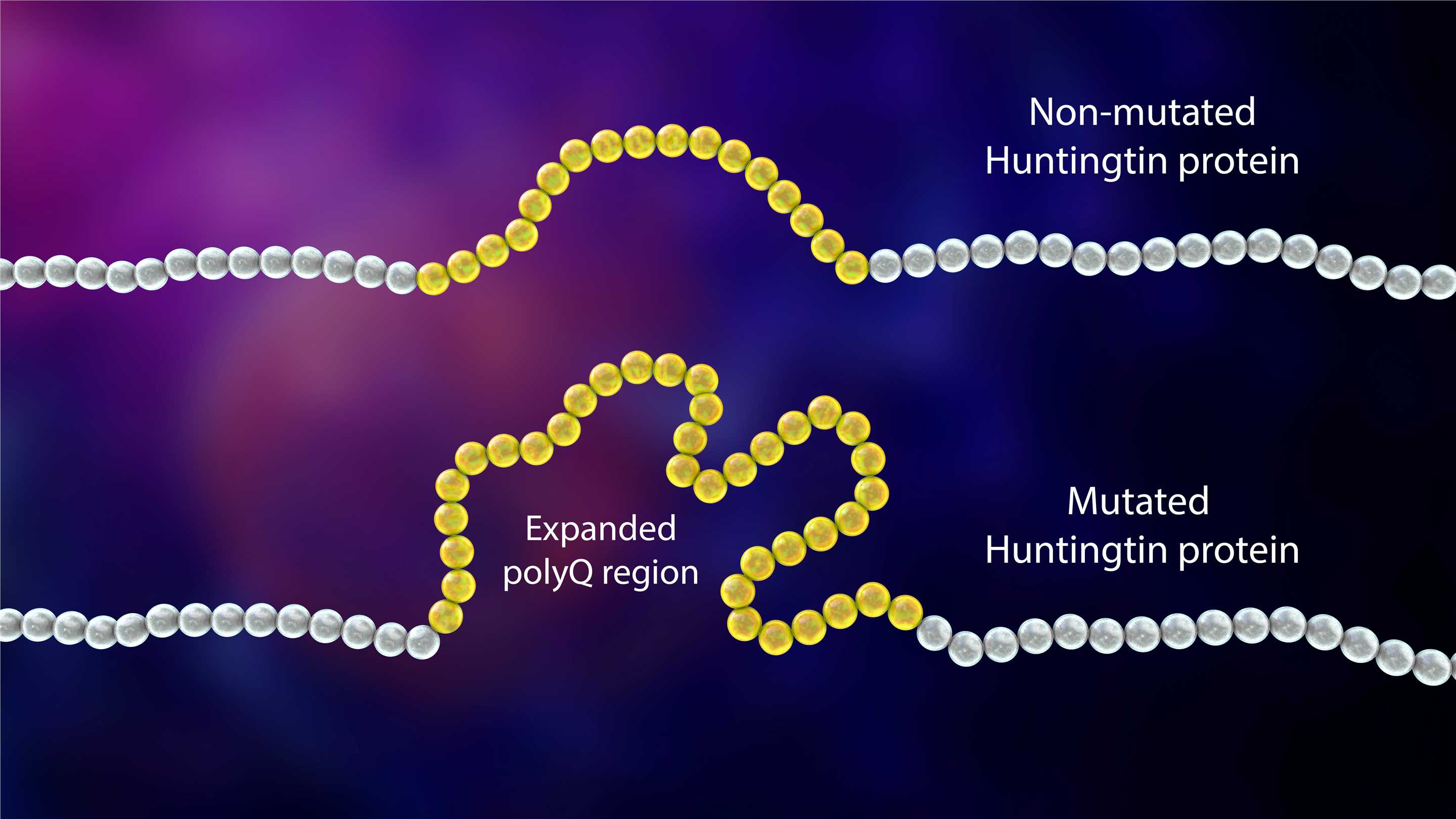
The Significance of Mutant vs Wild-Type Interaction Comparison
Mutant vs wild-type interaction comparative analysis plays a vital role in biomedical research because it helps scientists understand gene mutation effects while also offering novel approaches for disease prevention and treatment.
- Disease Mechanism Exploration: The analysis demonstrates how mutations affect protein interaction networks which helps explain the disease mechanisms of both cancer and neurodegenerative disorders.
- Drug Development and Optimization: The research identifies interaction targets which are specific to mutants enabling the creation of selective inhibitors and gene therapy strategies.
- Functional Genomics: Research demonstrates how gene mutations affect essential biological functions including signaling pathways and the regulation of translation.
- Evolution and Adaptation Studies: Tracks the competitive dynamics between mutants and wild-types under natural selection pressures.
Mutant vs Wild-Type Interaction Comparison Services
In mutant vs wild-type interaction comparative analysis, we are able to offer our clients a range of professional services to meet diverse research needs.
- High-Throughput Protein Interaction Analysis:
Through advanced proteomics techniques we conduct all-inclusive interaction network analyses of both mutant and wild-type proteins. Accurate protein expression and interaction data helps identify crucial biomarkers and possible drug targets.
- Functional Experimental Design and Implementation:
Our experimental design services are customizable and comprise mutant screening alongside interaction validation and functional analysis. Choose mutants for detailed research and receive our support to create and execute experimental protocols that guarantee dependable and accurate findings.
- Data Analysis and Interpretation:
For experimental results, we provide comprehensive data analysis services, including statistical analysis, image processing, and bioinformatics interpretation. Our team will help you understand complex data and provide easy-to-understand reports to support subsequent research decisions.
- Diversified Sample Types:
We support the detection of various sample types, including cell lysates, serum, and tissue samples, ensuring that you can obtain the necessary data at different stages of research. In addition, our detection platform has high sensitivity and broad adaptability to meet various experimental needs.
- Technical Consulting and Support:
Our team of experts will deliver technical consulting services to address experimental design and data analysis inquiries along with other questions. Our firm demonstrates its professional support commitment throughout both initial consultations and deep collaborative work with our clients.
- Experimental Result Reporting:
Upon completion of each experiment, we will provide a detailed experimental result report, including raw data, analysis results, and related charts and graphs. These reports will help you better understand research results and provide a basis for subsequent research.
Array Example
| Array Design | Example Marker Combination | Target Application | Possible Sample Preparation |
| Design A (Domain-Focused) | - Kinase domain (WT) + Kinase domain (Y123F, Y456F, etc.) - SH2 domain (WT) + phosphosite mutants - RBD (Ras-binding domain, WT vs. G12V/G13D Ras) | 1. Assess how single-residue changes affect domain binding 2. Map phospho-binding or catalytic changes | - In vitro: Purified domain variants, labeled or unlabeled, spotted on microarray - In vivo: Lysates from cells expressing these variants (transient or stable), if the array is set up to capture “prey” molecules |
| Design B (Full-Length) | - Full-length protein X (WT) vs. known disease mutants (e.g., p53 R175H, R273H, G245S) - Different isoforms or splice variants | 1. Compare how each mutant interacts with a panel of known partners (cofactors, adapters) 2. Identify mutant that disrupts (or gains) binding | - In vitro: Spot each WT and mutant form on the array, then probe with labeled binding partners or cell lysates - In vivo: Tissue/cell lysates (if measuring how each variant is recognized or how it binds known ligands) |
| Design C (Bait/Prey Format) | - Bait array: TCR subunits, cytokine receptors, or signaling proteins - Prey: WT vs. mutant version of a ligand, co-stimulatory domain, or intracellular adapter (e.g., MyD88 variants) | 1. Screen whether a mutant protein loses or gains interactions across many baits 2. Explore synergy or compensation with other networks | - In vitro: Labeled WT or mutant “prey” applied to array of “bait” proteins -In vivo: Tissue or serum from animals/humans containing the labeled mutant (rare, but possible with advanced labeling strategies) |
Protein Array's Near-Infrared Microarray Protein Chip Technology Platform
Protein Array offers a cutting-edge near-infrared microarray protein chip technology platform that enhances the capabilities of Mutant vs Wild-Type Interaction Comparison. Our platform combines technologies such as laser confocal microscopy, near-infrared fluorescent labeling chip, and special functional silica gel matrix membrane with protein chips to improve detection sensitivity and specificity, allowing for more precise analysis of protein interactions and drug effects.
Key features of our technology include:
- Near-Infrared Fluorescence Labeling: Signal stability increased by 50%, background interference reduced by 70%, supporting fully automated washing and quantitative analysis.
- Laser Confocal Scanning: Resolution up to 0.1 μm, linear detection range spanning 6 orders of magnitude, free of image distortion.
- Functionalized Silicone Membrane Substrate: Sample loading capacity increased by 3-fold, tolerates extreme pH/temperature, compatible with complex samples such as serum and cell lysates.
Application of Mutant vs Wild-Type Interaction Comparison Services
The near-infrared microarray protein chip technology platform can be applied in several scenarios:
| Research Area | Typical Application |
| Tumor Mechanisms | Analysis of P53 mutant's gain-of-function leading to genomic instability |
| Neurodegenerative Diseases | Analysis of aberrant translational regulatory networks of Huntington's protein mutants |
| Genetic Disease Research | Validation of loss-of-function effects of BRCA1 mutants |
| Viral Evolution | Screening of key mutation sites for cross-species transmission of viruses |
| Drug Development | Small molecule screening targeting mutant-specific interaction networks |
Leveraging the advanced near-infrared microarray protein chip technology platform from Protein Array, Creative Diagnostics is dedicated to helping researchers perform Mutant vs Wild-Type Interaction Comparison, providing greater accuracy, efficiency, and versatility to drug discovery efforts while dramatically accelerating the drug development process.
- Custom Protein Arrays
- Drug Screening and Toxicity Assessment
- Immunoprofiling
- Oncology Drug Screening
- Signaling Pathway Analysis
- Spatial Multi-Omics and Targeted Proteomics
- Vaccine Development
- Antibody Profiling
- Protein-Protein Interaction Studies
- Allergen Screening
- Protein-Nucleic Acid Interaction Analysis