Co-Factor and Complex Formation Analysis
The Significance of Co-Factor and Complex Formation Analysis
Protein-protein interactions and cofactor binding are central mechanisms driving cellular signaling, enzyme activity regulation, and metabolic network operation. With the increasing demands for precision medicine and drug development, there is a growing need for high-throughput detection technologies for the dynamic assembly of protein complexes and cofactor-dependent functional regulation. Traditional detection methods have limitations in throughput, sensitivity, and multi-index joint detection capabilities, making it difficult to meet the needs of large-scale screening and complex biological systems research. We have developed a protein chip platform that integrates innovative technologies, breaking through the bottlenecks of complex biological system detection and providing revolutionary solutions for scientific research and industrial applications.
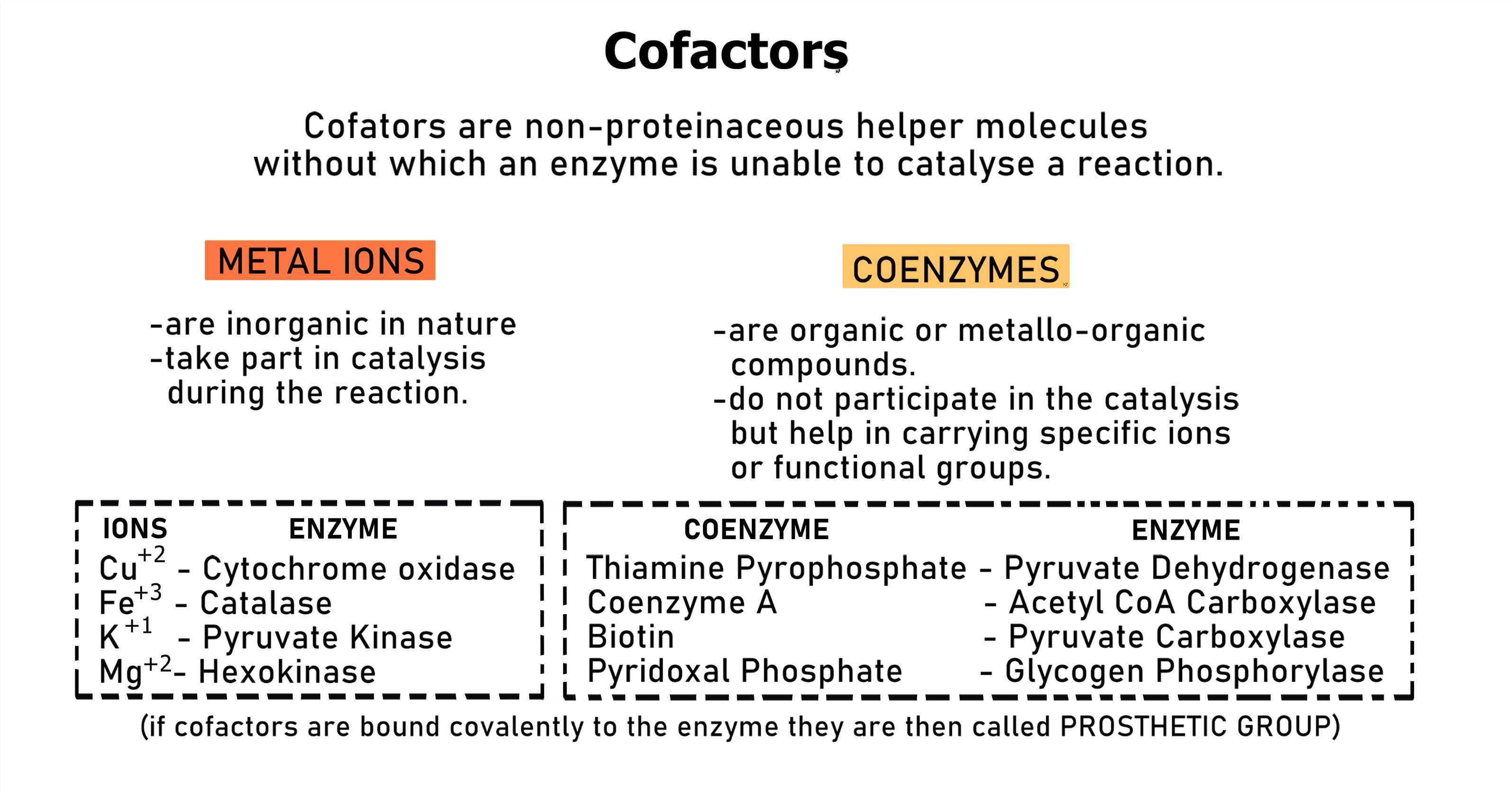
- Precise analysis of biological processes: Reveals the mechanisms of cofactor-mediated energy transfer, redox regulation, and enzyme activation.
- Accelerated drug development: Clarifies the interaction between drug targets and cofactor binding sites, and optimizes inhibitor design.
- Quality control: Provides assessment of complex stability and functional integrity for biological products (such as enzyme preparations and antibody drugs).
- Cross-field applications: Supports multi-index joint detection requirements in disease diagnosis, environmental monitoring, and food safety testing.
Protein Array Services for Co-Factor and Complex Formation Analysis
Protein Array uses state of the art protein array technology to offer you Co-Factor and Complex Formation Analysis.
Our services include:
1. Detection Product Development
- IVD-grade cofactor-dependent diagnostic kits (CE/CFDA certified)
- Research-grade protein complex assembly dynamics detection kits
- Industrial enzyme-cofactor stability evaluation systems (for biocatalytic process optimization)
2. Customized Solutions
- Food safety: Detection of heavy metal ion-induced competitive inhibition on metabolic enzyme cofactors
- Environmental monitoring: Toxicity evaluation of pollutants on microbial electron transport chain complexes
- Drug screening: Ternary interaction analysis of target-cofactor-lead compounds
3. Data Analysis Services
- Binding constant and dissociation rate calculations for molecular complexes
- Quantitative modeling of cofactor cooperative effects
Protein Array's Near-Infrared Microarray Protein Chip Technology Platform
Protein Array offers a cutting-edge near-infrared microarray protein chip technology platform that enhances the capabilities of Co-Factor and Complex Formation Analysis. Our platform combines technologies such as laser confocal microscopy, near-infrared fluorescent labeling chip, and special functional silica gel matrix membrane with protein chips to improve detection sensitivity and specificity, allowing for more precise analysis of protein interactions and drug effects.
| Technical Module | Core Advantages |
| Special Functional Silicone Membrane | High-throughput (≥1000 samples/day), tolerant to extreme pH/temperature, broad biocompatibility (for proteins/nucleic acids/small molecules) |
| Near-Infrared Fluorescence Labeling | 3-fold increase in signal stability, 80% reduction in background interference, compatible with fully automated operation |
| Laser Confocal Imaging System | 0.1 fM detection sensitivity, sub-cellular resolution (<200 nm), linear range spanning 6 orders of magnitude |
Array Example
| Array Design | Example Combination | Target Application | Possible Sample Preparation |
| Protein–Protein Interaction | - Array spots: Immune receptor subunits (e.g., TLR domains, cytokine receptor chains) - Probing solutions: Labeled co-receptors, adapter proteins, or cell lysates containing possible binding partners | 1. Identify novel subunit interactions in receptor complexes 2. Map domain-specific or mutation-specific binding events | - In vitro: Purified proteins or cell lysates added to array, with a detection tag (e.g., fluorescent label on "prey" protein) - In vivo: Tissues or serum containing the "prey" (co-immunoprecipitation or fractionation prior) |
| Protein–Cofactor | - Array spots: Enzymes (e.g., kinases, dehydrogenases), metal-binding proteins, or nuclear receptors - Cofactors: ATP, GTP, NAD(H), FAD, metal ions (Mg 2+, Ca 2+, Zn 2+), hormones, vitamins - Also test competitor molecules or analogs | 1. Elucidate binding affinities for key cofactors 2. Screen for new potential cofactor dependencies or druggable pockets | - In vitro: Purified proteins spotted; cofactors or small molecules are fluorescently tagged or introduced in solution - In vivo: Serum or tissue extracts can be used to see if unknown molecules in these extracts bind specific proteins |
| Multi-Subunit Complex Assembly | - Array spots: Partial complexes or individual subunits (e.g., subunits A, B, C of a tri-part complex), each possibly in phosphorylated vs. unphosphorylated states - Probing solutions: Another subunit (subunit D) ± required cofactor (e.g., ATP, small GTPases) | 1. Assess synergy among subunits (A + B + cofactor X required vs. A + B alone) 2. Investigate how post-translational modifications (e.g., phosphorylation, acetylation) alter assembly | - In vitro: Mix purified subunits in known stoichiometric ratios, measure complex formation on array - In vivo: Pull down complexes from cell lysates or tissues, then measure subunit composition on a capture array |
Applications of Co-Factor and Complex Formation Analysis
- Drug Development: Screens the binding efficiency of small molecule compounds to target proteins and evaluates inhibitor/agonist activity.
- Metabolic Regulation Research: Analyzes the regulatory network of metal ions, coenzymes, and other cofactors on enzyme activity.
- Immune Interaction Analysis: Quantitatively detects antibody-antigen complex affinity and optimizes diagnostic kit performance.
- Pathogen Detection: Establishes a viral protein-host receptor binding kinetics model to accelerate antiviral drug development.
Leveraging the advanced near-infrared microarray protein chip technology platform from Protein Array, Creative Diagnostics' Co-Factor and Complex Formation Analysis services represent a vital tool for researchers and developers aiming to understand the complexities of protein modifications and their implications in health and disease. By utilizing cutting-edge technology and methodologies, we empower scientific discovery and innovation in the field of glycobiology.
- Custom Protein Arrays
- Drug Screening and Toxicity Assessment
- Immunoprofiling
- Oncology Drug Screening
- Signaling Pathway Analysis
- Spatial Multi-Omics and Targeted Proteomics
- Vaccine Development
- Antibody Profiling
- Protein-Protein Interaction Studies
- Allergen Screening
- Protein-Nucleic Acid Interaction Analysis