Allergen Screening
The human immune system responds in excess to substances typically harmless to people which are known as allergens when an allergic reaction occurs. Common allergens that trigger immune responses consist of food products along with airborne pollen and dust mites while animal dander insect bites and certain drugs also play a role. Allergic responses can present in forms that range from mild to severe. Screening for specific allergens helps prevent allergies and improve quality of life.
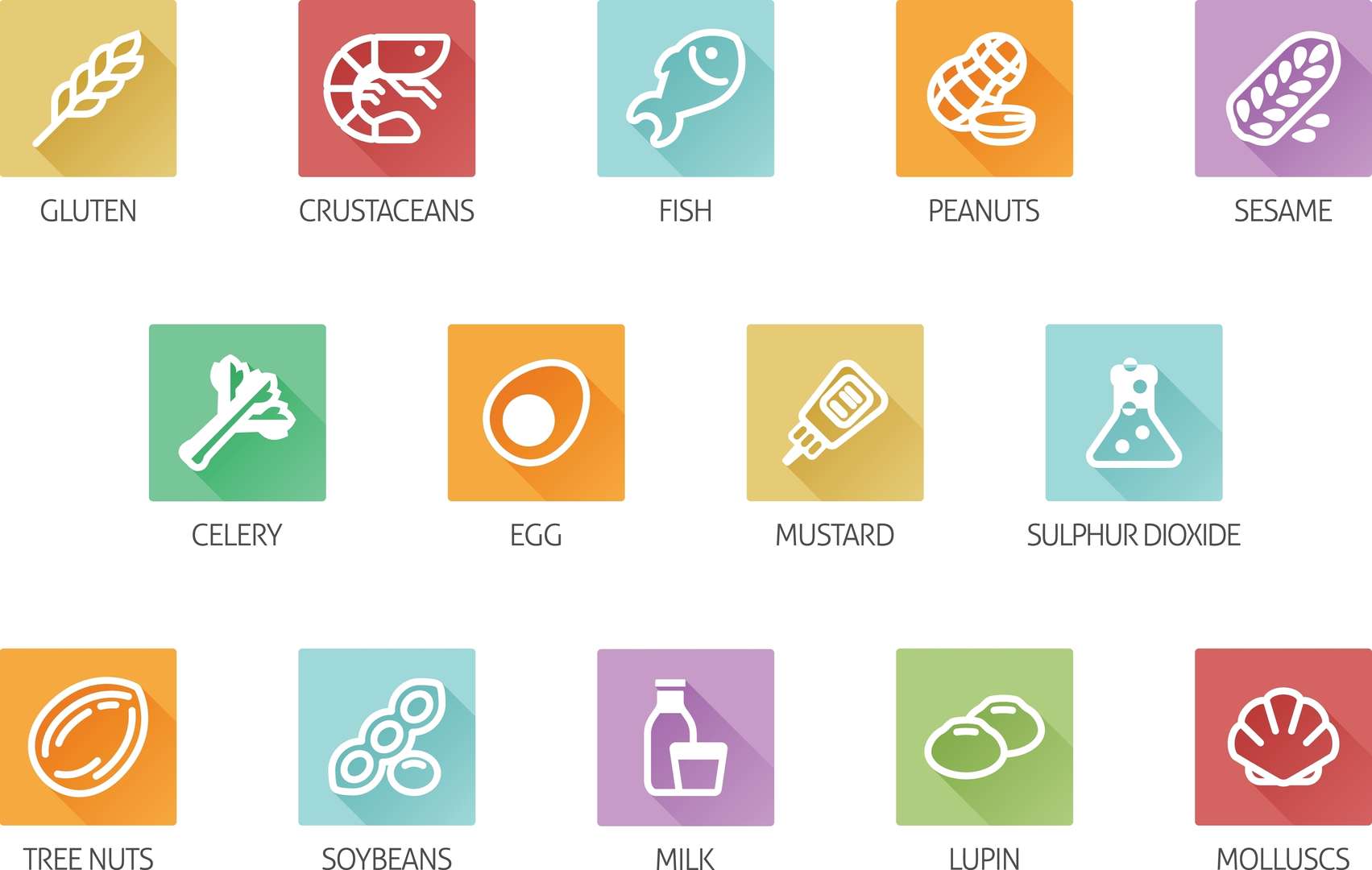
Our Allergen Screening Services
- Common Allergen Detection:
Common allergen detection tests people for sensitivities to widespread inhale allergens like pollen and dust mites as well as food allergens including milk and peanuts. The test enables users to fast-track identification of probable allergens to build effective prevention and treatment strategies. Learn More - IgE Antibody Profiling:
IgE antibody profiling represents an extensive method for allergen detection capable of identifying antibodies against hundreds or thousands of allergens in serum samples. This analysis method surpasses traditional techniques in identifying specific allergens for individuals thus it works best for complicated and ambiguous allergy situations. Learn More - Cross-Reactivity Assessment:
The immune system may respond to various substances because cross-reactivity occurs when structural similarities enable a reaction to one substance to trigger a response to another substance. The evaluation of cross-reactivity analysis determines how different allergens interact with one another inside an individual. People with birch pollen allergies typically experience the same allergic responses when consuming apples. Cross-reactivity research leads to improved allergy risk comprehension which facilitates the development of actionable dietary and lifestyle recommendations. Learn More
Array Example
| Panel / Focus | Example Allergen/Marker Combination | Target Application | Possible Sample Preparation |
| A. Common Allergen Detection | - Food allergens: Peanut (Ara h1, Ara h2, etc.), Tree nuts (hazelnut Cor a1, walnut Jug r1), Egg (ovalbumin, ovomucoid), Milk (casein, β-lactoglobulin), Shellfish (tropomyosin), Wheat (ω-5 gliadin) - Inhalant allergens: Dust mite (Der p1, Der f1), Pollens (Bet v1, Amb a1), Animal dander (Fel d1 for cat, Can f1 for dog), Mold antigens (Alternaria) | 1. Broad screening of common allergens (food, inhalants) 2. Identify sensitization patterns in atopic individuals 3. Assist in diagnostic or research settings to classify allergic profiles | - In vitro: Supernatants from basophil/mast cell degranulation assays, or from B cell culture producing specific IgE/IgG - In vivo: Serum/plasma from human patients or animal models (e.g., rodents with experimental allergy) at multiple timepoints; optional mucosal washes (e.g., nasal, BAL) |
| B. IgE Antibody Profiling | - Coat array with known allergens or peptide fragments (e.g., overlapping peptides of peanut proteins) - Detect patient IgE (or IgG4) using labeled anti-human IgE/IgG - Possibly also measure total IgE vs. specific IgE for each allergen | 1. Quantify allergen-specific IgE levels for diagnostic or research (e.g., changes post-immunotherapy) 2. Differentiate multi-sensitivities (e.g., IgE to multiple tree nuts) 3. Monitor immunotherapy progress (shifts from IgE to IgG4) | - In vitro: B cell supernatants if producing allergen-specific IgE - In vivo: Patient or animal serum for IgE detection, particularly at pre-/post-desensitization or after allergen challenges. Store samples at -80°C. |
| C. Cross-Reactivity Assessment | - Arrays featuring homologous proteins from different species (e.g., peanut Ara h2 vs. tree nut 2S albumins) - Profilins (cross-reactive among pollens, fruits) - Pan-allergens (e.g., tropomyosin among shellfish species, PR-10 family in birch/apple) | 1. Determine if IgE against one allergen (e.g., birch pollen) also binds related allergens (e.g., apple Mal d1) 2. Assess potential cross-reactivity in polyallergic patients 3. Guide dietary or environmental avoidance strategies based on cross-reactivity patterns | - In vitro: Incubate patient or animal serum on multi-species allergen array; label IgE/IgG to see binding patterns - In vivo: If done, typically serum from an allergen-challenged model to confirm cross-binding, possibly looking at anaphylaxis or mast cell degranulation levels in parallel |
Our Near-Infrared Microarray Protein Chip Technology Platform
Based on independent innovation, Creative Diagnostics combines advanced technologies such as laser confocal microscopy, near-infrared fluorescence labeling, and special functional silicone membranes with protein chips to establish a unique high-throughput protein chip detection platform. This platform has significant advantages such as high throughput, multi-index joint detection, and high cost performance, and can provide comprehensive and accurate allergen screening services for the majority of scientific research users.
Features of Our Detection Platform:
- High Throughput and Automation: The use of specialized functional silicone membranes together with near-infrared fluorescence labeling technology enables efficient high-throughput detection and automated system operation.
- High Sensitivity and Broad Spectrum: Special functional silicone membranes deliver high sensitivity and high tolerance across a broad spectrum while maintaining good biocompatibility.
- Precise Detection: The laser confocal system has high sensitivity, a large measurement linear range, high image resolution, and no distortion.
Service Highlights
- Customized Services: Our service offerings include customized experimental design and data analysis solutions tailored to your unique requirements.
- Professional Technical Team: Our professional technical support and consulting services come from our experienced technical team.
- Strict Quality Control: Our strict quality control standards maintain the accuracy and reliability of experimental results.
Service Cycle and Process
- Project Consultation: Customers communicate with our technical team to clarify experimental objectives and specific needs.
- Experimental Design: Our technical team develops a detailed experimental plan based on customer needs.
- Sample Preparation: Customers provide qualified samples or entrust us with sample preparation.
- Experimental Operation: Our technicians perform experimental operations according to the experimental plan.
- Data Analysis: We conduct professional analysis of experimental data and provide detailed analysis reports.
- Results Delivery: We deliver experimental results and analysis reports to customers.
Through its superior technology platform and complete service offerings and experienced service team, Creative Diagnostics pledges to become your dependable ally in allergen screening to help you avoid allergy issues and maintain good health. We are excited about working together to build a more promising future ahead!
- Custom Protein Arrays
- Drug Screening and Toxicity Assessment
- Immunoprofiling
- Oncology Drug Screening
- Signaling Pathway Analysis
- Spatial Multi-Omics and Targeted Proteomics
- Vaccine Development
- Antibody Profiling
- Protein-Protein Interaction Studies
- Allergen Screening
- Protein-Nucleic Acid Interaction Analysis