Adjuvant Efficacy
Our Protein Biochip technology offers a high-efficiency, precise approach to evaluating the immunopotentiating effects of adjuvants in vaccine development.
Why Adjuvant Potency Matters
Adjuvants are components added to vaccines to amplify immune responses. By employing various mechanisms, adjuvants enhance antigen presentation and recognition by the immune system, thereby improving the vaccine's efficacy in combating pathogens.
Adjuvants not only boost vaccine efficacy but also help reduce the required antigen dose per shot, minimize the number of vaccinations, and, in some cases, improve the stability of antigen components. While antigens are the primary source of a vaccine's immunogenicity, adjuvants significantly enhance the intensity, breadth, and durability of immune responses.
This is especially crucial in therapeutic vaccines, such as cancer vaccines, and for populations like the elderly, where immune responses often need additional support. Moreover, adjuvants can modulate the type of immune response-enhancing humoral immunity (e.g., antibody production) or bolstering cellular immunity (e.g., T-cell responses)-which plays a critical role in immunogenicity assessment.
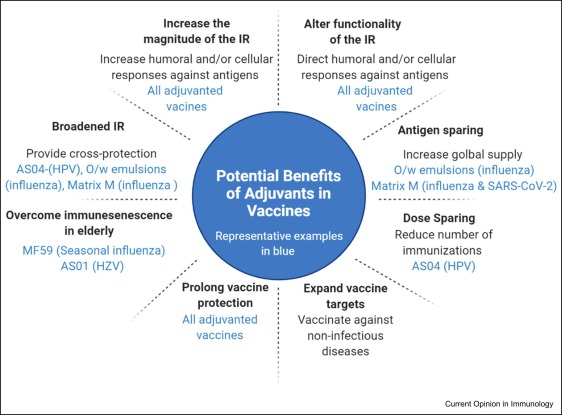
Whether it's for influenza, COVID-19, tuberculosis, or cancer vaccines, our Protein Biochip platform supports accurate evaluation of adjuvant potency across all vaccine development scenarios.
How We Support Your Vaccine Development
Our advanced Protein Biochip technology enables comprehensive analysis of adjuvant efficacy throughout the vaccine development process:
Adjuvant-Antigen Interaction Analysis: We provide in-depth insights into the interactions between adjuvants and antigens. This analysis helps elucidate the mechanisms through which adjuvants function within the immune system and optimize their pairing with antigens. For instance, during COVID-19 vaccine development, we can evaluate the effectiveness of different adjuvants (e.g., liposomal adjuvants or oil-in-water emulsions) in activating antibody responses and T-cell immunity, ensuring the best adjuvant formulation.
Immunogenicity Evaluation of Various Adjuvants: Our Protein Biochip allows simultaneous detection of multiple immune responses, including antibody production, T-cell activation, and memory formation. For example, in influenza vaccine development, we can help compare the immunogenic potency of aluminum adjuvants, AS01 adjuvants, and MPL adjuvants in different formulations.
Monitoring Cytokines and Immune Biomarkers: Real-time monitoring of cytokine responses induced by adjuvants-such as TNF-α, IL-6, and IFN-γ-is critical. This is particularly important for cancer vaccines, where adjuvants regulate the immune microenvironment to enhance T-cell anti-tumor responses.
Array Example
| Panel Name | Marker Combination | Target Application | Possible Sample Preparation |
| Th1/Cell-Mediated | IFN-γ, IL-2, IL-12 (p70), TNF-α, IL-15 | Evaluate Th1-biased response and cell-mediated immunity (CMI) | - In vitro: Supernatants from stimulated PBMCs or splenocytes - In vivo: Serum or plasma, tissue homogenates |
| Th2/Humoral | IL-4, IL-5, IL-10, IL-13, GM-CSF | Assess Th2-biased response and humoral immunity | - In vitro: Supernatants from B-cell or PBMC cultures - In vivo: Serum (for cytokines and antibody titers) |
| Pro-inflammatory | IL-1β, IL-6, TNF-α, CXCL10 (IP-10), IL-8 (CXCL8) | Track early innate immune activation and potential inflammatory side effects of adjuvants | - In vitro: Macrophage or DC culture supernatants - In vivo: Serum, local tissue (e.g., injection site homogenates) |
| Th17/Autoimmunity | IL-17A, IL-21, IL-22, TGF-β, IL-23 | Characterize adjuvants that may induce or modulate Th17 responses (e.g., beneficial vs. autoimmunity risk) | - In vitro: T cell or PBMC cultures - In vivo: Serum or ex vivo restimulation supernatants from lymphoid organs |
| Regulatory | IL-10, TGF-β, IL-2 (for Treg expansion), FoxP3 (if using cell-based array/flow), IL-35 (in some advanced regulatory contexts) | Assess whether adjuvant promotes regulatory mechanisms or dampens excessive responses | - In vitro: Treg or PBMC cultures - In vivo: Serum, Treg sorting from spleen/lymph nodes and subsequent protein analysis |
Why Choose Our Services and Products?
- Ultra-Sensitivity Enabled by Advanced Technology
We leverage laser confocal imaging and near-infrared fluorescence labeling technologies for the detection of immune molecules at extremely low abundance. - Smart Data Analysis Tools
Our integrated analysis tools enable rapid interpretation of experimental data, identification of critical immune markers, and detection of response trends. - Tailored Solutions for Your Goals
Whether selecting specific adjuvants or optimizing adjuvant-antigen pairing, our team provides customized solutions aligned with your research objectives and experimental needs. - Multi-Pathway Analysis and Immune Evasion Mechanism Exploration
Our Protein Biochip evaluates not only the impact of adjuvants on vaccine efficacy but also explores mechanisms of immune evasion. For cancer immunotherapy vaccines, adjusting the adjuvant-antigen combination is crucial to counteract immune suppression in the tumor microenvironment. Our technology allows simultaneous assessment of adjuvants' roles in mitigating immune evasion.
Through Creative Diagnostics' Protein Biochip platform, you gain access to accurate and reliable data at every stage of vaccine development. Optimize your adjuvant selection, enhance vaccine immunogenicity, and ensure broad applicability and long-term efficacy.
We are committed to supporting global vaccine development with cutting-edge technology, helping you create safer and more effective vaccines. Contact us now and start your journey with us!
Reference
- Turley JL, Lavelle EC. Resolving adjuvant mode of action to enhance vaccine efficacy. Curr Opin Immunol. 2022;77:102229.
- Custom Protein Arrays
- Drug Screening and Toxicity Assessment
- Immunoprofiling
- Oncology Drug Screening
- Signaling Pathway Analysis
- Spatial Multi-Omics and Targeted Proteomics
- Vaccine Development
- Antibody Profiling
- Protein-Protein Interaction Studies
- Allergen Screening
- Protein-Nucleic Acid Interaction Analysis