Drug Screening and Toxicity Assessment
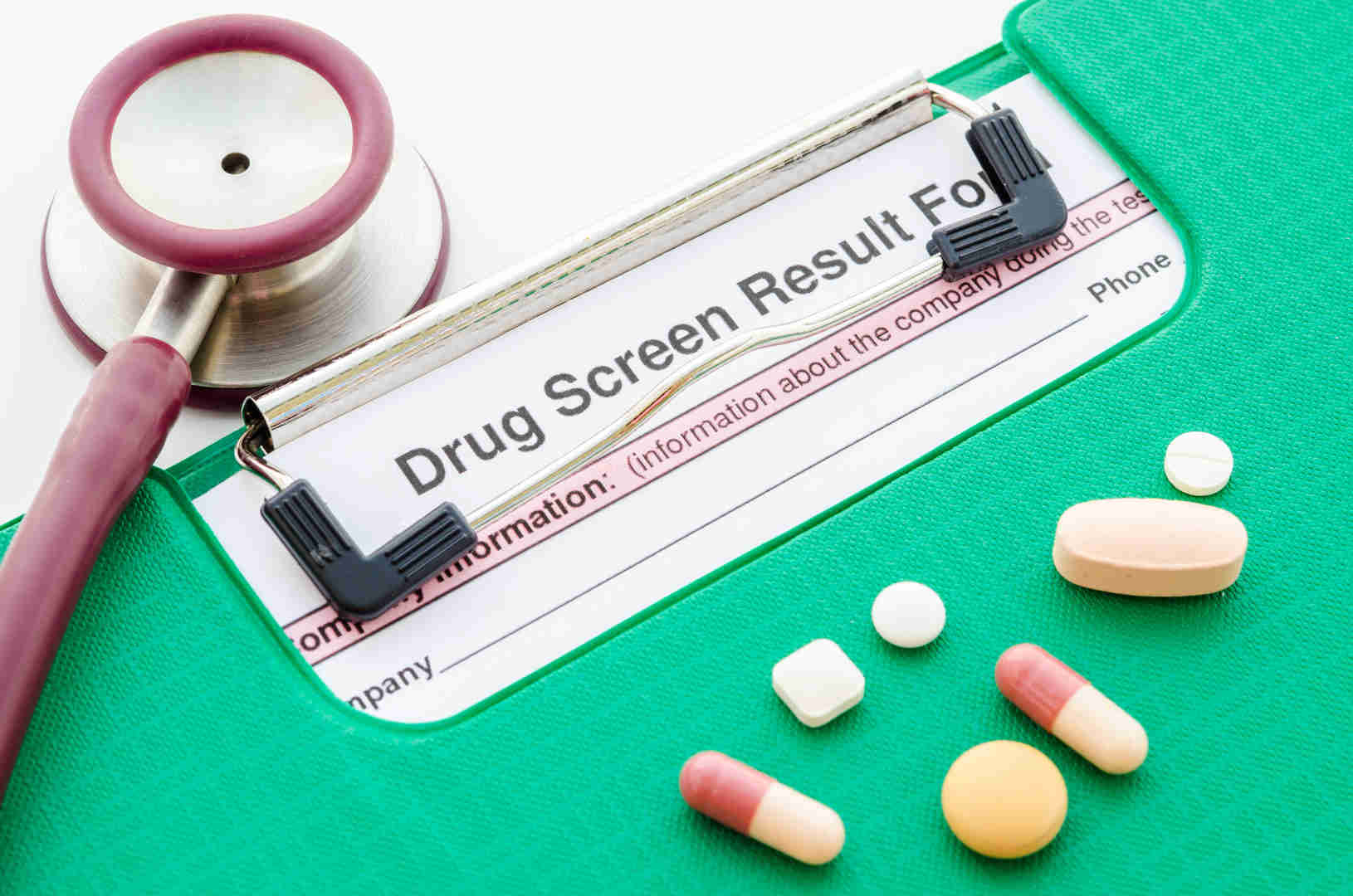
The drug discovery process depends crucially on Drug Screening and Toxicity Assessment. By applying various testing procedures the process determines promising drug candidates and assesses their safety levels which establishes a trustworthy foundation for future clinical trials. Drug screening focuses on finding compounds with desired biological effects while toxicity assessment seeks to evaluate the possible dangers these substances pose to biological systems including target organ toxicity and dose-response relationships. Identifying and removing toxic compounds early on reduces both the risks and development costs associated with new drugs.
Our Drug Screening and Toxicity Assessment Services
Test Objects: Potential drug candidates, known drugs, biologics, etc.
We recognize the obstacles you encounter throughout the drug development process. Our professional drug screening and toxicity assessment services help you advance your research and development work.
- High-Throughput Drug Screening: Perform swift evaluations of large compound libraries against biological targets to discover lead compounds with potential pharmacological properties. We offer personalized cell-based or biochemical assays using automated platforms together with data analysis tools to speed up your drug discovery process. For additional information you should visit High-Throughput Drug Screening.
- Off-Target Effects Analysis: Evaluate the potential impact of drug candidates on non-target targets and predict possible side effects. High-throughput sequencing (NGS) and additional technologies enable extensive examination of genome off-target effects to support drug development safety. For additional information, please visit Off-Target Effects Analysis.
- Cytokine Release Assay: Assess the ability of drugs or therapies to trigger cytokine release and forecast potential immune-related toxicity outcomes. Our services adhere to FDA and EMA guidelines and deliver high-quality immune safety assessment data. For additional information, access the Cytokine Release Assay platform.
- Dose-Response Toxicity Evaluation: Evaluate drug toxicity at various dose levels to establish safe dosage ranges for clinical trials. Our toxicity evaluation services cover acute and chronic toxicity studies and repeated-dose toxicity tests across all drug development stages. Additional information can be found by visiting Dose-Response Toxicity Evaluation.
Array Example
| Panel / Focus | Example Marker Combination | Target Application | Possible Sample Preparation |
| A. Off-Target Effects Analysis | - Broad kinase panels (e.g., receptor tyrosine kinases, serine/threonine kinases, MAPK, PI3K family) - Metabolic enzyme arrays (CYP450 isoforms, PDE families) - Receptor or ligand arrays (GPCR, cytokine receptors) | 1. Screen for unintended protein binding or enzyme inhibition 2. Identify potential adverse interactions (kinase cross-reactivity, CYP inhibition) 3. Guide lead optimization to reduce off-target effects | - In vitro: Purified proteins spotted on array; labeled drug or cell lysates incubated - In vivo: Serum or tissue extracts if the array is designed to detect drug–protein complexes or changes in expression |
| B. Cytokine Release Assay (CRA) | - Pro-inflammatory: IL-1β, IL-6, TNF-α, IL-8 (CXCL8) - T helper: IFN-γ, IL-2, IL-4, IL-5, IL-13, IL-17 - Regulatory: IL-10, TGF-β, IL-1RA - Chemokines: MCP-1, RANTES, IP-10 | 1. Detect potential "cytokine storm" or strong immune activation 2. Evaluate immunomodulatory drugs (check if they induce or reduce cytokine release) 3. Compare different compounds or doses for safety | - In vitro: PBMC or macrophage/monocyte culture supernatants ± test drug - In vivo: Serum from treated animals/patients at multiple timepoints (early and late) |
| C. Dose-Response Toxicity Evaluation | - Apoptosis/Stress: p53, Bax, Bcl-2, Caspase-3 (cleaved), PARP (cleaved), HSP70/90 - Organ injury markers: ALT, AST (liver), KIM-1, NGAL (kidney), cTnI (heart), etc. - Inflammatory or oxidative stress signals (e.g., IL-6, ROS defense enzymes) | 1. Determine toxic dose ranges or NOAEL (no-observed-adverse-effect level) 2. Identify organ-specific damage patterns (liver, kidney, heart) 3. Measure stress/apoptotic pathways for mechanistic toxicity insights | - In vitro: Cell line or primary cell culture supernatants and lysates, applying multiple doses/timepoints - In vivo: Serum/plasma from animals at incremental doses, plus organ/tissue homogenates if needed for direct toxicity marker measurement |
| D. High-Throughput Drug Screening | - Focused target arrays: Large panel of potential target proteins (e.g., entire kinase family, enzymes, or receptors) - Pathway arrays: phospho-proteins or transcription factors (NF-κB, STATs) - Broad proteome arrays (discovery-phase) | 1. Rapidly test many compounds for target binding or pathway modulation 2. Rank hits by binding affinity or functional readouts (phosphorylation changes) 3. Filter out poor leads early in drug discovery | - In vitro: Robotic handling and microarray screening with hundreds-thousands of spots; labeled compounds or cell lysates - In vivo: Less common for high-throughput, but can apply serum from treated animals if the readout is relevant (e.g., measuring changes in phospho-proteins) |
Our Near-Infrared Microarray Protein Chip Technology Platform
Features of Our Testing Platform:
Based on independent innovation, we have combined technologies such as laser confocal microscopy, near-infrared fluorescence labeling, and special functional silicone membranes with protein chips to establish a unique protein chip detection platform with significant advantages in high-throughput, multi-index joint detection, and high-cost performance.
- Special Functional Silicone Membrane: Easy to achieve high-throughput detection, with high sensitivity, easy automation, high tolerance and broad spectrum, saving detection time, and good biocompatibility.
- Near-Infrared Fluorescence Labeling: Stable signal, easy to clean, and easy to achieve fully automatic operation.
- Laser Confocal System: High sensitivity, large linear range of measurement, simple operation, easy to achieve automation, using point-by-point, line-by-line scanning, high image resolution, and no image distortion problems.
Advantages of Protein Chip Detection Platform:
- High-Throughput: The platform detects multiple samples at once which speeds up the drug screening workflow.
- Multi-Index Joint Detection: Can detect multiple indicators simultaneously, comprehensively evaluating the toxicity of drugs.
- High-Cost Performance: Reduce detection costs and improve research and development efficiency.
Service Cycle and Process
- Consultation and Plan Design: Communicate your needs and develop a detailed experimental plan.
- Sample Preparation: Prepare samples according to the experimental plan.
- Testing and Analysis: Use our protein chip detection platform for high-throughput testing and analysis.
- Data Analysis and Reporting: Perform comprehensive analyses of experimental data and create detailed reports about experimental results.
Contact us now to learn more about our drug screening and toxicity assessment services!
- Custom Protein Arrays
- Drug Screening and Toxicity Assessment
- Immunoprofiling
- Oncology Drug Screening
- Signaling Pathway Analysis
- Spatial Multi-Omics and Targeted Proteomics
- Vaccine Development
- Antibody Profiling
- Protein-Protein Interaction Studies
- Allergen Screening
- Protein-Nucleic Acid Interaction Analysis