RNA-Binding Protein Regulation
RNA-binding proteins (RBPs) function as vital regulators of RNA metabolism by overseeing fundamental processes that span transcription through translation and degradation. The improper function of RNA-binding proteins and RNA processing stands out as a primary characteristic in various neurodegenerative disorders such as Alzheimer's disease and Amyotrophic Lateral Sclerosis (ALS). Creative Diagnostics provides a leading-edge near-infrared microarray protein chip technology platform which enables high-throughput and high-sensitivity analysis of RNA-Binding Protein Regulation. Our specialized services provide accelerated basic research capabilities and clinical translation support while delivering strong assistance for deep disease mechanism understanding and new therapeutic development against neurodegenerative diseases.
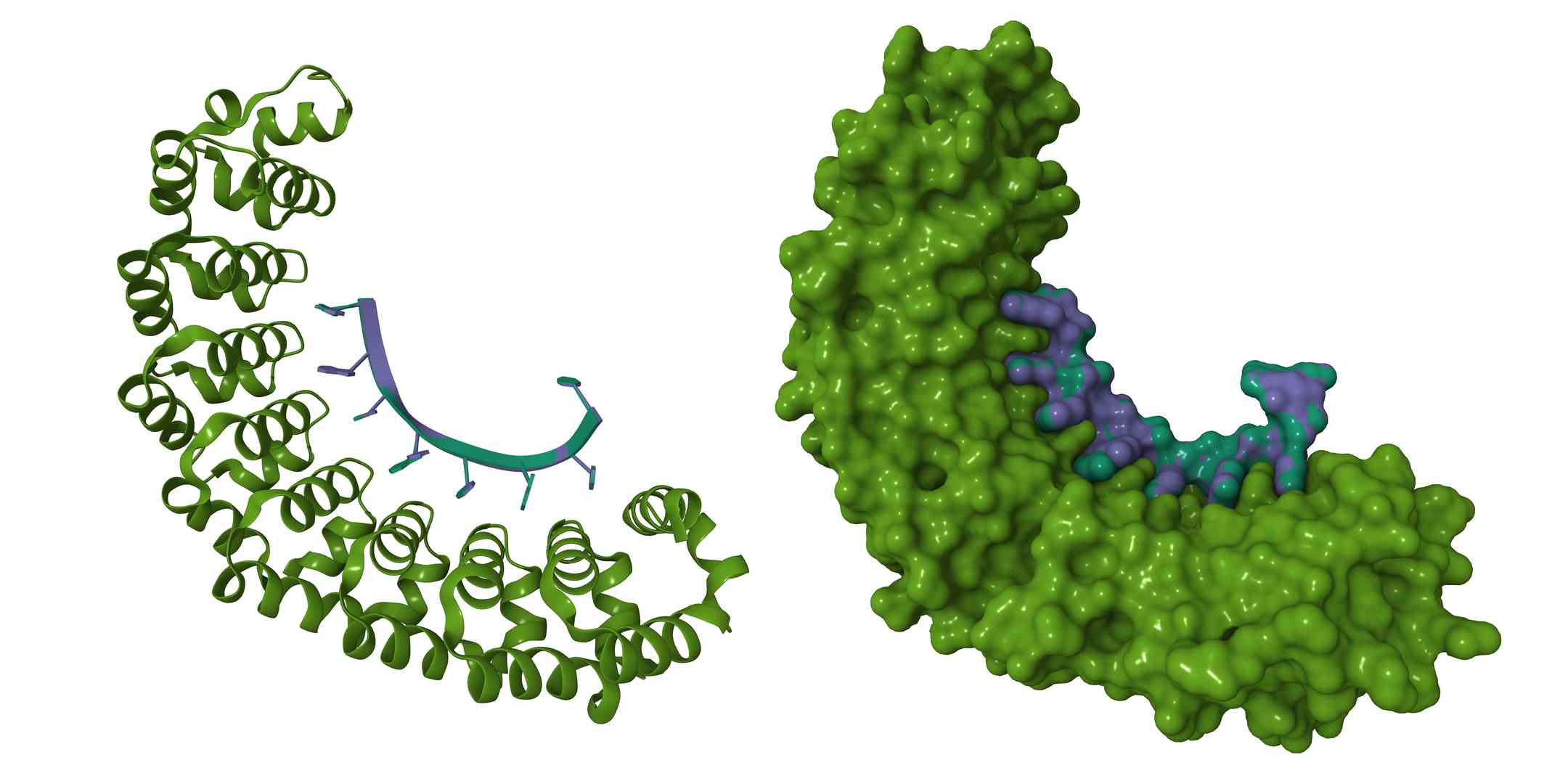
Our Application-Focused Services for Neurodegenerative Disease Research
Pathological Marker Detection for Early Diagnosis and Disease Monitoring:
- Application: Our analysis quantifies neurodegenerative disease markers by measuring TDP-43 and FUS protein aggregation at 0.1 pg/mL sensitivity and detecting stress granule-related RBPs like hnRNP and G3BP as well as studying RNA methylation (m6A)-dependent interaction networks.
- Benefit: Quantification of essential protein and RNA modifications provides early diagnostic markers and tracks therapeutic success in neurodegenerative diseases.
- Example: By measuring aggregated TDP-43 levels in patient samples researchers can diagnose ALS and evaluate treatment effectiveness in reducing protein aggregation.
Unraveling Pathogenic Mechanisms through Comprehensive RBP-RNA Interaction Analysis:
- Application: The technology we developed helps researchers evaluate RNA toxicity through protein binding screens for C9orf72 repeat expansions alongside live monitoring of phase separation effects on RBP function and detection of mitochondrial RBP localization issues.
- Benefit: Researchers can discover new therapeutic targets by understanding molecular mechanisms of neurodegenerative diseases through analysis of abnormal RBP-RNA interactions.
- Example: Research the interactions between C9orf72 repeat expansion RNA and specific RBPs to understand RNA toxicity origins and identify therapeutic targets that can break these harmful connections.
Treatment Development Support through High-Throughput Screening and Efficacy Evaluation:
- Application: Our services include high-throughput screening for small molecule inhibitors that target RBP-RNA interactions as well as evaluation of antisense oligonucleotide binding efficiency and detection of RNA-binding protein escape from gene therapy vectors.
- Benefit: Develop new treatments for neurodegenerative disorders by discovering molecules that affect RBP function and by refining RNA-based therapy designs while confirming gene therapy safety and effectiveness.
- Example: Use a small molecule library to discover compounds capable of preventing FUS protein aggregation which contributes to ALS pathology.
Multidimensional Detection Capabilities
- Binding Activity Analysis: Quantitatively measure the binding affinity (Kd value) of RNA and protein.
- Dynamic Interaction Monitoring: Real-time tracking of complex formation/dissociation kinetics.
- Complex Component Identification: Analyze RBP regulatory networks through pull-down combined with mass spectrometry.
Potential Additions to Detection Categories
- RBP Binding Specificity Profiling: Systematically determine the RNA sequence motifs and structures recognized by a given RBP.
- Competitive Binding Assays: Study the competition between different RNA molecules or proteins for binding to a specific RBP.
- Analysis of RBP Modifications: Investigate how post-translational modifications of RBPs affect their RNA binding affinity and specificity.
- Cellular Context Studies: Analyze RBP-RNA interactions in different cellular compartments or under various cellular conditions (e.g., stress, differentiation).
Technical Platform Advantages
Our near-infrared microarray protein chip technology offers significant advantages over traditional methods:
- 500-Fold Increase in Throughput: A single chip can simultaneously analyze 1,024 samples, dramatically increasing efficiency compared to traditional methods.
- Sensitivity Breakthrough to fg Level: Our specialized silica gel film combined with near-infrared fluorescence labeling achieves unparalleled sensitivity.
Why Choose Us
- Independent Innovation Platform: A completely self-developed near-infrared microarray protein chip technology platform with complete intellectual property rights to ensure technological leadership and sustainable development.
- Professional Technical Team: Composed of experienced biochip experts, proteomics experts, and bioinformatics experts, providing professional technical support and customized services.
- Strict Quality Control System: A complete quality control system has been established to ensure the accuracy and reliability of experimental data. All methods have been rigorously verified.
- Customized Solutions: Able to provide personalized experimental design and data analysis services according to the specific needs of customers to meet the needs of different scientific research projects.
- Fast Delivery Cycle: Relying on an automated platform and efficient team collaboration, the experimental cycle can be greatly shortened and the scientific research process can be accelerated.
- Data Security Guarantee: Strictly abide by data security regulations to ensure customer data security and privacy.
Our professional service teams leverage advanced technology platforms to deliver comprehensive solutions that help you achieve breakthrough progress in neurodegenerative diseases and related areas through our protein–nucleic acid interaction analysis services.
Our technical team is ready to assist with technical details explanation and experimental plan customization as well as cooperation opportunity discussions. We look forward to working with you to create a new chapter in scientific research!
- Custom Protein Arrays
- Drug Screening and Toxicity Assessment
- Immunoprofiling
- Oncology Drug Screening
- Signaling Pathway Analysis
- Spatial Multi-Omics and Targeted Proteomics
- Vaccine Development
- Antibody Profiling
- Protein-Protein Interaction Studies
- Allergen Screening
- Protein-Nucleic Acid Interaction Analysis