Therapeutic Antibody Monitoring
The Significance of Therapeutic Antibody Monitoring
High-precision detection of therapeutic antibody concentration and functional properties alongside their dynamic changes enables therapeutic antibody monitoring of both therapeutic antibodies and anti-drug antibodies (ADA). The integration of near-infrared microarray protein chip technology enables our comprehensive support in biologics efficacy evaluation, personalized patient management, and drug development. Monitoring therapeutic antibody serum levels (e.g., adalimumab's minimum effective concentration<10 ng/mL) and ADA neutralizing activity (IC50 determination) enables prediction of treatment response, dosing optimization, and early detection of immunogenicity risks.
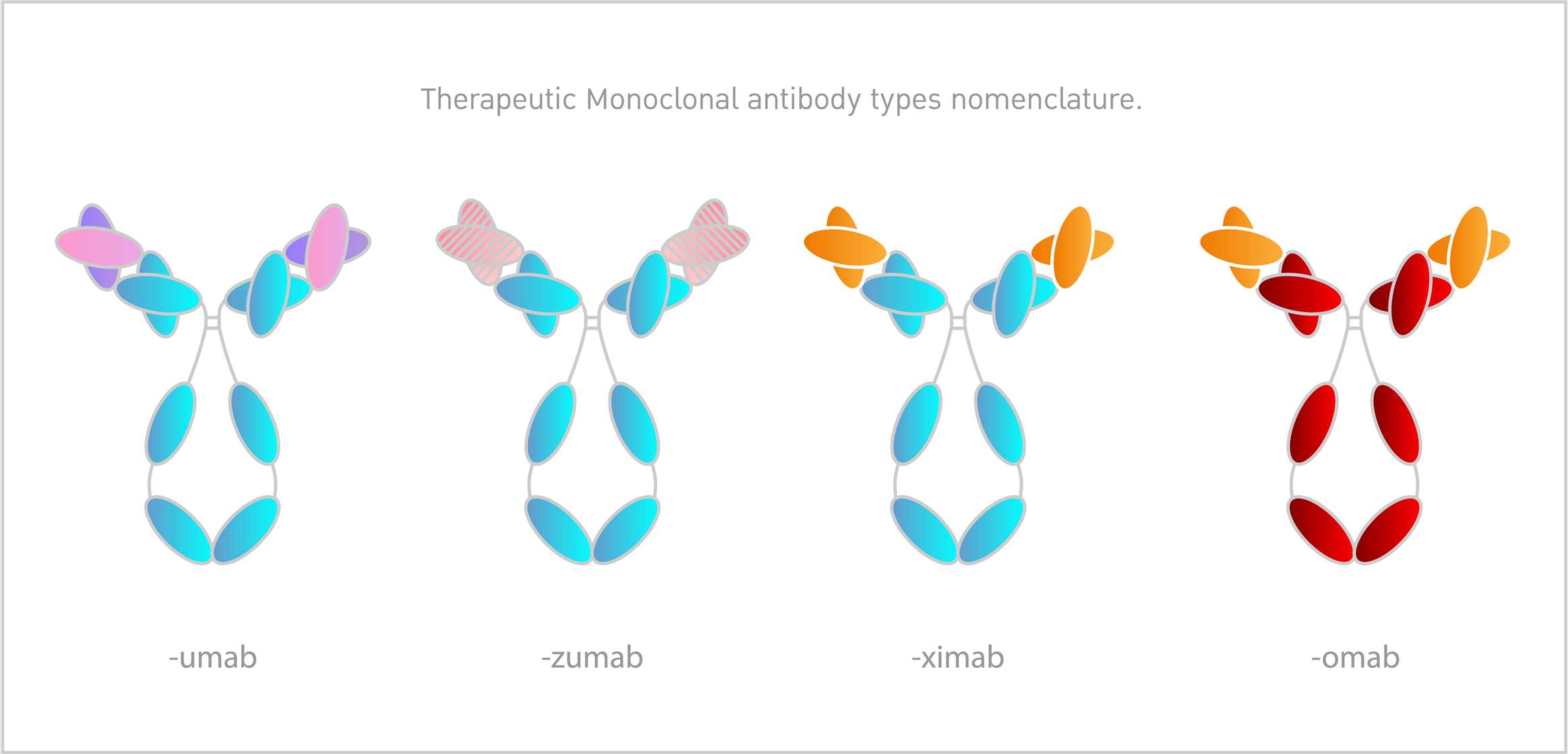
- Drug Efficacy Evaluation: Serum concentration monitoring to predict therapeutic response intensity.
- ADA Screening: Early detection of patient-developed anti-drug antibodies, assessing immunogenicity in biosimilars.
- Dosing Optimization: Dynamic concentration tracking to refine regimens (e.g., PD-1 inhibitor minimum effective thresholds).
- Safety Risk Mitigation: Neutralizing activity analysis of ADAs to forecast drug efficacy decline.
Protein Array Services for Therapeutic Antibody Monitoring
Our services include:
- Standard Testing Panels: Quantify concentrations of common therapeutic antibodies (e.g., infliximab, nivolumab) for rapid efficacy assessment data retrieval.
- Customized Assays: Tailored target combinations and multiplex detection protocols to address diverse disease-specific requirements.
- Dynamic Concentration Tracking: Long-term follow-up services to monitor antibody level fluctuations during treatment, informing dose adjustment strategies.
- Biologic Development Support: Immunogenicity profiling and epitope similarity analysis for biosimilar development, spanning preclinical and clinical research phases.
Array Example
| Panel | Marker Combination | Target Application | Possible Sample Preparation |
| Panel A (PK Monitoring) | - Capture anti-idiotype or anti-Fc for the therapeutic mAb - Calibration curve with known mAb concentrations | 1. Determine serum levels over time (PK curves) 2. Estimate half-life, clearance | - In vitro: Supernatants from cell cultures if measuring secreted antibody production - In vivo: Serum/plasma from dosed animals or patients at multiple time points |
| Panel B (ADA Screening) | - Therapeutic mAb coated on array as “antigen” - Detection anti-human IgG/IgM/IgE (for bridging assay) | 1. Screen for ADAs (immune responses to the mAb) 2. Quantify titer and isotype (IgG, IgM, IgE) | -In vitro: PBMC or B-cell culture supernatants post mAb exposure (less common) - In vivo: Serum at multiple time points (baseline and after repeated dosing) |
| Panel C (Target Ag) | - Immobilized anti-target capture + detection of free vs. mAb-bound antigen - Additional competitive or sandwich designs | 1. Measure free vs. bound target levels in serum 2. Confirm engagement or saturation of the target | - In vitro: Culture supernatants with known target expression + mAb - In vivo: Serum/tissue samples from treated animals/patients, track free/complexed antigen over time |
| Panel D (Biomarker Efficacy) | - Pathway markers: pERK, pAKT, or inflammatory cytokines (IL-6, TNF-α, etc.) - Disease-specific biomarkers (e.g., CRP in inflammation, tumor markers in oncology) | 1. Correlate biomarker changes with drug levels 2. Assess on-target effects or undesired off-target effects | - In vitro: Cell lysates or supernatants post mAb treatment - In vivo: Serum, tissue homogenates (tumor, inflamed tissue) to measure changes in relevant biomarkers over time |
Protein Array's Near-Infrared Microarray Protein Chip Technology Platform
Protein Array offers a cutting-edge near-infrared microarray protein chip technology platform that enhances the capabilities of Therapeutic Antibody Monitoring. Our platform combines technologies such as laser confocal microscopy, near-infrared fluorescent labeling chip, and special functional silica gel matrix membrane with protein chips to improve detection sensitivity and specificity, allowing for more precise analysis of antibody profiling.
- Ultra-sensitive detection
- High-throughput processing
- End-to-end automation
- Stringent QC protocols
- Cost-efficiency optimization
Applications of Therapeutic Antibody Monitoring
- Autoimmune Therapy Monitoring
Correlate anti-TNFα drug concentrations (e.g., infliximab) with clinical efficacy.
Early detection of anti-drug antibody (ADA) emergence for proactive intervention.
- Cancer Immunotherapy Optimization
Track PD-1 inhibitor levels (e.g., nivolumab) inversely linked to minimal residual disease (MRD) status.
Assess serum stability dynamics of anti-CTLA-4 therapies (e.g., ipilimumab).
- Biologic Drug Development
Biosimilar epitope similarity validation via surface plasmon resonance (SPR) cross-testing.
Immunogenicity risk profiling (ADA incidence<5%).
- Vaccine Development Assistance
Quantify SARS-CoV-2 S-protein neutralizing antibody titers post-vaccination (IC50 determination).
Compare immune response durability between BNT162b2 and mRNA-1273 vaccines (12-24 week longitudinal tracking).
Leveraging the advanced near-infrared microarray protein chip technology platform from Protein Array, Creative Diagnostics' Therapeutic Antibody Monitoring services provide a critical framework for evaluating drug efficacy, optimizing patient management, and mitigating immunogenicity risks. We provide actionable insights into treatment response dynamics and biologic drug stability through our capability of high-precision quantification of therapeutic antibody concentrations and anti-drug antibody neutralizing activity. Our platform connects translational research with clinical practice to help researchers and clinicians speed up therapeutic development and enhance patient outcomes by using data-driven decision-making.
- Custom Protein Arrays
- Drug Screening and Toxicity Assessment
- Immunoprofiling
- Oncology Drug Screening
- Signaling Pathway Analysis
- Spatial Multi-Omics and Targeted Proteomics
- Vaccine Development
- Antibody Profiling
- Protein-Protein Interaction Studies
- Allergen Screening
- Protein-Nucleic Acid Interaction Analysis