Cytokine Release Assay
What Is Cytokine Release Assay?
Through Cytokine Release Assays (CRAs) scientists investigate the production of cytokines triggered by therapeutic proteins and small molecules in immune cells. The detection of compounds that trigger cytokine release syndrome (CRS) depends on this evaluation process. CRS stands out as a grave inflammatory reaction when substantial quantities of pro-inflammatory cytokines flood the bloodstream. The severe clinical consequences of these reactions include multi-organ failure and death which the TGN1412 clinical trial demonstrated when unexpected CRS occurred despite pre-existing safety assessments.
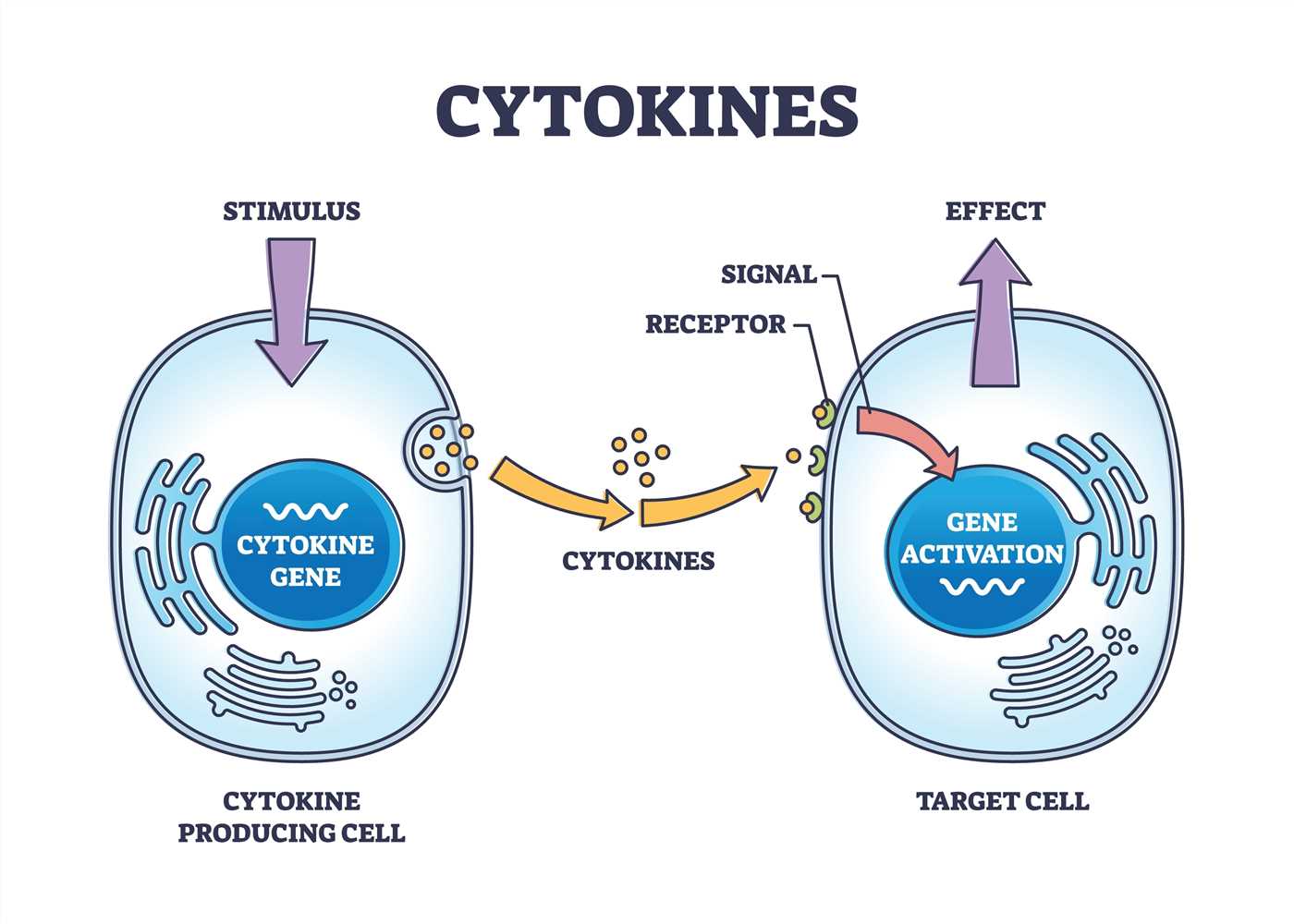
The Significance of Cytokine Release Assay
The drug development process relies heavily on CRAs especially for biotherapeutics whose activity involves the immune system. They help:
- Predict Safety Risks: CRAs let scientists foresee potential adverse reactions by simulating immune responses in vitro prior to clinical trials.
- Regulatory Compliance: Regulatory agencies suggest using CRAs in safety evaluations of therapeutic products. The guidelines require in vitro assessments to detect potential immunogenicity and toxicity.
- Improved Safety Profiles: By identifying potential cytokine release early in development, CRAs help guide dosing strategies and inform clinical protocols to enhance patient safety.
Protein Array Provides Service for Cytokine Release Assay Services
At Protein Array, we offer comprehensive CRA services tailored to meet the specific needs of biopharmaceutical developers. Our assays utilize cutting-edge methodologies to assess cytokine release effectively. We provide:
- Diverse Assay Formats: Our portfolio includes whole blood and PBMC-based assays together with solid-phase and solution-phase formats to offer adaptable solutions for different therapeutic candidates.
- Rapid Turnaround: Our assays are designed for efficiency, enabling timely decision-making in your development program.
- Expert Analysis: Our experienced team supports clients through every step of the CRA process, from assay design to data interpretation.
Array Example
| Panel | Example Marker Combination | Target Application | Possible Sample Preparation |
| Panel A (Pro-Inflammatory Core) | IL-1β, IL-6, TNF-α, IFN-γ, IL-8 | - Cytokine storm risk (e.g., CAR T cell therapies, biologic drugs) - Rapid detection of acute immune activation | - In vitro: Culture supernatants from PBMCs, macrophages, or T-cell lines - In vivo: Serum/plasma at early timepoints post-treatment or immunization |
| Panel B (Helper T Cell Polarization) | IFN-γ, IL-2, IL-4, IL-5, IL-13, IL-17, IL-10, TGF-β | - Mechanistic studies of T cell subset skewing (Th1, Th2, Th17, Treg) - Vaccine or immunotherapy characterization | - In vitro: Supernatants from T-cell or PBMC cultures, restimulated with antigen -In vivo: Serum, or ex vivo restimulation assays with splenocytes or lymph node cells |
| Panel C (Extended Immune Profile) | IL-1β, IL-6, TNF-α, IFN-γ, IL-2, IL-4, IL-5, IL-8, IL-10, IL-13, IL-17, GM-CSF | - Comprehensive immune monitoring - Longitudinal studies of multiple cytokine axes | - In vitro: Culture supernatants from co-cultures (e.g., DC-T cell), screening multiple timepoints -In vivo: Serum collected at various days post-immunization or therapy |
Protein Array's Near-Infrared Microarray Protein Chip Technology Platform
Protein Array offers a cutting-edge near-infrared microarray protein chip technology platform that enhances the capabilities of Cytokine Release Assay Services. Our platform combines technologies such as laser confocal microscopy, near-infrared fluorescent labeling chip, and special functional silica gel matrix membrane with protein chips to improve detection sensitivity and specificity, allowing for more precise analysis of drug screening and toxicity assessment.
The advantages of utilizing CRAs at Protein Array include:
- High Sensitivity and Specificity: Our selected assays are optimized to detect tiny cytokine responses to ensure accurate identification of potential risks.
- Versatility: Our evaluation processes examine a broad range of therapeutic entities including monoclonal antibodies and peptides together with various formats of other biologic compounds.
- Comprehensive Data Reporting: Detailed results reporting helps identify specific cytokines released and their clinical safety implications.
- Adaptability: Our methodologies can be modified to suit multiple therapeutic mechanisms and target populations which guarantees that each client receives personalized solutions.
- Customization: Our assays can be tailored to measure a variety of cytokines relevant to your therapeutic's mechanism of action, ensuring that you receive data pertinent to your specific drug candidate.
- Comprehensive Analysis: Multiplex technology allows us to measure several cytokines together which gives a complete picture of how your therapeutic agent influences the immune response.
Application of the Cytokine Release Assay
Cytokine Release Assay are applicable in various stages of drug development and across multiple therapeutic areas:
- Preclinical Safety Assessment: Evaluating potential risks for new therapies before clinical trials commence.
- Immunogenicity Studies: How therapeutic proteins interact with the immune system to discover possible harmful immune reactions.
- Dosing Strategy Development: Dosing Strategy Development uses predicted cytokine release profiles to guide dosing regimen decisions for clinical trial safety optimization.
- Regulatory Submissions: Supply the required safety and efficacy data for regulatory submissions before human administration.
- Generic Drug Assessment: CRAs assist generic products along regulatory pathways such as ANDA to show that impurities will not cause undesirable immunogenic reactions.
In conclusion, Cytokine Release Assays are vital components of modern drug development strategies. Leveraging the advanced near-infrared microarray protein chip technology platform from Protein Array, Creative Diagnostics is committed to delivering high-quality CRA services that enhance the safety and efficacy profiles of therapeutic candidates while ensuring compliance with regulatory standards. Our expertise supports clients in navigating the complexities of immunotoxicology and advancing their drug development programs successfully.
- Custom Protein Arrays
- Drug Screening and Toxicity Assessment
- Immunoprofiling
- Oncology Drug Screening
- Signaling Pathway Analysis
- Spatial Multi-Omics and Targeted Proteomics
- Vaccine Development
- Antibody Profiling
- Protein-Protein Interaction Studies
- Allergen Screening
- Protein-Nucleic Acid Interaction Analysis