IgE Antibody Profiling
The Significance of IgE Antibody Profiling
By identifying and measuring IgE antibodies scientists can evaluate immune system reactions to allergens through IgE antibody analysis. Through simultaneous detection of numerous allergen-specific IgE antibodies high-throughput protein chip technology aids accurate allergen identification and clinical diagnosis and treatment.
IgE antibody analysis holds significant value in the medical and research fields:
- Precise Diagnosis: Clarifies allergen types, guiding personalized desensitization treatment.
- Disease Monitoring: Dynamically tracks changes in IgE levels, evaluating treatment effectiveness.
- Drug Development: Supports the development and validation of IgE-targeted biologics (such as omalizumab).
- Public Health: Reveals regional allergen distribution patterns, optimizing prevention and control strategies for allergic diseases.
Protein Array Provides Service for IgE Antibody Profiling
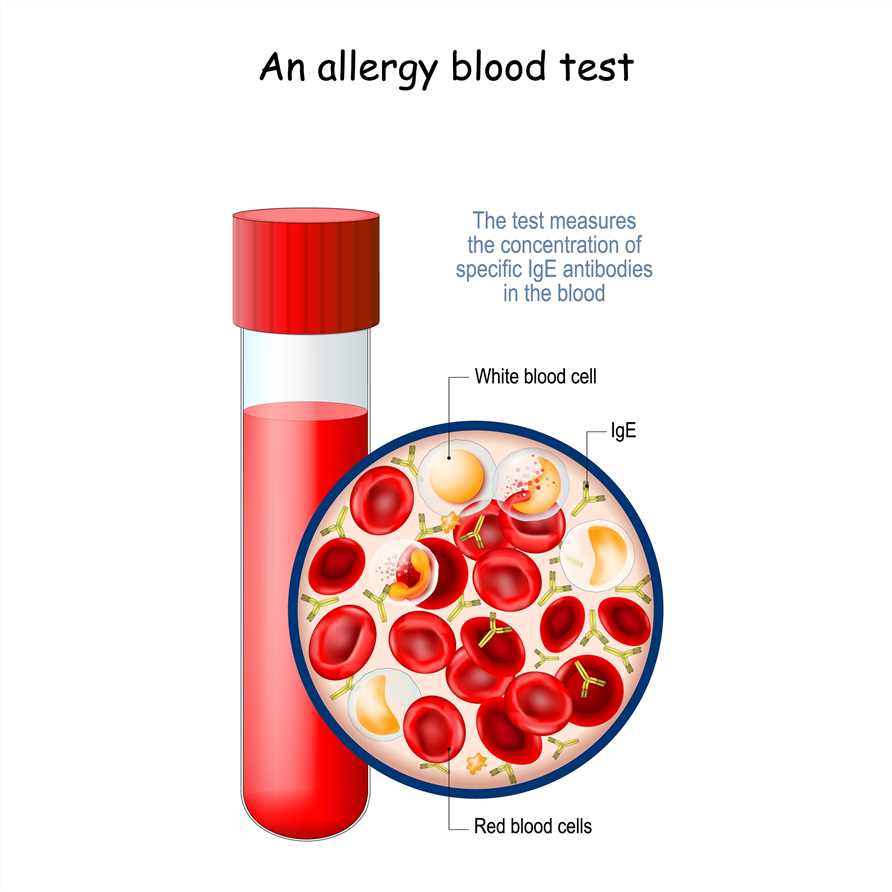
At Protein Array, we leverage cutting-edge protein array technology to offer comprehensive IgE Antibody Profiling services. We provide:
- Total IgE Detection: Measuring total IgE levels provides a way to evaluate immune system function when managing allergic diseases.
- Allergen Component Analysis: Detailed examination of allergen components reveals which proteins trigger allergic responses.
- Customized Allergen Panels: Allergen testing panels offer personalized diagnosis because they adapt to individual clinical histories and local environmental conditions.
- Immunotherapy Effect Evaluation: Assesses the effectiveness of desensitization treatment by dynamically monitoring changes in IgE levels and provides a basis for adjusting treatment plans.
- High-Throughput Data Analysis: Obtains accurate protein expression and interaction information to help identify key biomarkers.
Protein Array's Near-Infrared Microarray Protein Chip Technology Platform
Protein Array offers a cutting-edge near-infrared microarray protein chip technology platform that enhances the capabilities of IgE Antibody Profiling. Our platform combines technologies such as laser confocal microscopy, near-infrared fluorescent labeling chip, and special functional silica gel matrix membrane with protein chips to improve detection sensitivity and specificity, allowing for more precise analysis of allergen screening.
- Sensitivity: Detection limit as low as 0.1 IU/mL, covering the clinical diagnostic threshold range.
- Throughput: Supports parallel detection of 96 samples per batch, with report completion within 48 hours.
- Automation: The system performs complete automation from sample loading to data analysis which minimizes human mistakes.
- Broad Sample Compatibility: This system can handle different biological samples including serum, plasma, and dried blood spots.
Array Example
| Panel | Example Allergen Combination | Target Application | Possible Sample Preparation |
| Panel A (Food Allergens) | Peanut (Ara h 1, h 2, h 3, etc.), Tree nuts (almond, hazelnut), Milk (casein, β-lactoglobulin), Egg (ovalbumin), Wheat (gliadin) | - Food allergy diagnosis / research - Identify major allergen components per individual | - In vivo: Serum from clinically diagnosed allergic or tolerant patients - In vitro: B cell supernatants after allergen stimulation with IL-4/IL-13 to induce IgE production |
| Panel B (Inhalant Allergens) | Dust mite (Der p 1, Der p 2), Pollen (birch, ragweed, grass mix), Mold (Alternaria), Animal dander (cat, dog) | - Respiratory/allergic asthma characterization - Evaluate cross-reactivity among pollens | -In vivo: Serum from atopic vs. non-atopic individuals - Nasal lavage samples from challenged patients/animals - In vitro: PBMC cultures from allergic subjects with allergen restimulation |
| Panel C (Comprehensive Mixed Panel) | 50–200 allergens covering foods, pollens, molds, animal danders, occupational exposures (latex, insect venoms) | - Broad screening in uncertain or poly-sensitized cases - Large-scale epidemiological or immunotherapy monitoring | - In vivo: Sera from large patient cohorts at multiple timepoints (pre-/post-immunotherapy) - In vitro: Occasionally used for screening supernatants but typically used with serum/plasma for robust results |
Application of IgE Antibody Profiling
IgE antibody profiling has broad applications in various fields, including:
- Clinical Diagnosis
IgE antibody profiling helps doctors diagnose allergic diseases by verifying which allergens patients react to. Accurate diagnosis of allergic rhinitis, asthma and atopic dermatitis depends on this critical process. Physicians can create individualized treatment plans by measuring IgE antibody levels which results in better quality of life for patients.
- Personalized Medicine
During immunotherapy and desensitization treatments physicians utilize IgE antibody profiling to identify precise treatment targets. Physicians can determine proper desensitization therapy choices from allergen profiles and enhance treatment results while tracking immune responses.
- Public Health Research
IgE antibody profiling assists epidemiological research through allergen exposure analysis across populations to uncover how environmental elements affect allergic disease development. This data has important implications for the creation of public health policies and preventive strategies.
- Food Safety Monitoring
Food producers apply IgE antibody profiling methods to identify potential allergens present in their products. The process functions to safeguard consumers from allergic responses triggered by food products. By analyzing test results food manufacturers can enhance their product recipes to minimize allergy risks.
- Environmental Monitoring
IgE antibody profiling evaluates environmental quality through detection of typical airborne allergens like pollen and mold which helps understand public health impacts. The identification of airborne allergens helps establish meaningful environmental protection strategies that enhance resident living conditions.
- Scientific Research
Basic research utilizes IgE antibody profiling across many applications. The technology enables scientists to investigate how the immune system reacts to various allergens which in turn supports theoretical foundations for creating new drugs and vaccines. This technology provides a tool for investigating how genetic elements contribute to allergic reactions.
- Childhood Health Management
IgE antibody profiling enables parents to comprehend allergy risks in their child during allergy screening and management so they can implement preventative actions. When doctors screen for allergies early they can prevent health problems and improve children's health as a whole.
We are committed to providing comprehensive and accurate testing services through IgE antibody profiling, helping our clients better manage allergy-related health issues and enhance their quality of life.
- Custom Protein Arrays
- Drug Screening and Toxicity Assessment
- Immunoprofiling
- Oncology Drug Screening
- Signaling Pathway Analysis
- Spatial Multi-Omics and Targeted Proteomics
- Vaccine Development
- Antibody Profiling
- Protein-Protein Interaction Studies
- Allergen Screening
- Protein-Nucleic Acid Interaction Analysis