

Inquiry Basket
 Loading ......
Imagine this: During your review of your most recent blood test results, you notice the creatinine level. The doctor identifies creatinine as a vital kidney health indicator but the actual meaning of this number remains unclear. Why is it so important? We will explore the extraordinary importance of creatinine in relation to your health despite its molecular is small.
Creatinine emerges as a natural result of muscle metabolism in the form of a tiny compound that contains nitrogen and has the chemical composition C4H7N3O. Creatine serves as a muscle energy reserve which then transforms into creatinine. During muscle contraction in activities such as sprinting, weightlifting, or walking creatine naturally converts into creatinine through a non-enzymatic reaction. Consider creatinine as the leftover "ash" which remains subsequent to your muscles utilizing energy. Though creatinine may appear to be a mere waste product it actually performs significant functions within the body while acting as an important health indicator.Creatinine comes from two sources. Endogenous creatinine production happens inside your body through your muscles. Your muscle creatine turns into creatinine daily at a constant rate of 1-2% which depends on your muscle mass as well as your age and level of physical activity. Athletes and those with higher muscle mass often display elevated creatinine levels because it is produced internally by muscles. Creatinine from cooked meat serves as the exogenous source. The creatine content within animal proteins becomes creatinine when exposed to cooking or digestive processes. The body produces most creatinine internally which makes it an accurate marker for both muscle metabolism and kidney function despite minor dietary input.
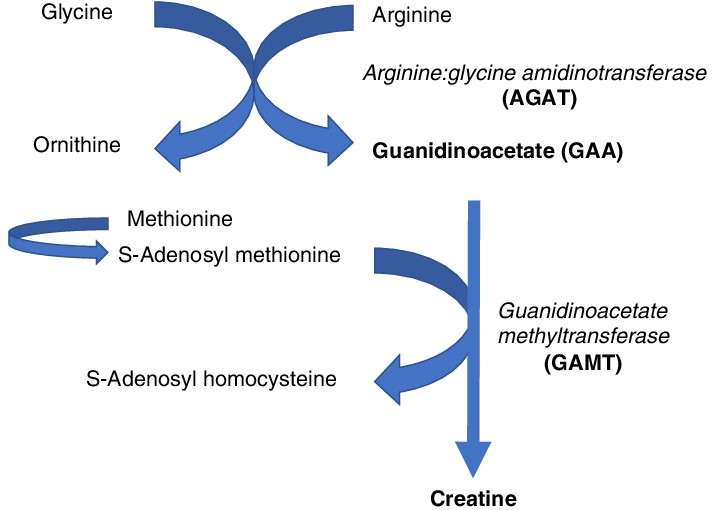 Figure 1. Endogenous Creatine Synthesis. (Sources: Philip M, et al. 2020)
After creatinine forms it begins a single-directional path in the body. Creatinine enters the bloodstream where the kidneys filter it almost completely. Creatinine stands out because renal tubules do not reabsorb it so its elimination depends solely on how well the kidneys filter waste. The distinct characteristic of creatinine establishes it as the premier biomarker for evaluating kidney health.
Creatinine is frequently considered a metabolic "waste" yet it supports numerous physiological functions without attracting much attention. First, it aids in clearing toxins. The body eliminates harmful waste products through urine by using creatinine to attach itself to nitrogenous substances. Second, it contributes to fluid balance. Creatinine helps produce urine through its osmotic properties which allow the body to remove excessive water and electrolytes effectively. Creatinine function includes participation in maintaining acid-base equilibrium. The breakdown of creatinine produces carbon dioxide which gets expelled through breathing thereby helping to maintain the pH balance of blood.
The primary purpose of this substance exists as a signaling agent for kidney function. Healthy kidneys manage creatinine elimination efficiently yet impaired kidney function leads to creatinine accumulation in the blood. Elevated serum creatinine concentrations function as the earliest indication of kidney dysfunction. Doctors regularly test for creatinine levels during medical checkups since it helps detect potential kidney health issues early.
The term creatinine usually remains unknown to most individuals until they experience health problems. Understanding your creatinine levels enables you to take preventive actions. Here's what makes this biomarker indispensable:
1. Kidney Health Monitoring
Your body uses kidneys to filter waste while creatinine levels serve as a health indicator for these organs. Higher serum creatinine levels indicate a lower glomerular filtration rate (GFR) which signals kidney disease. Kidney damage in its early stages produces no symptoms so routine creatinine testing becomes essential for preventing serious health issues. A rapid surge in levels suggests acute kidney injury due to dehydration or medication toxicity whereas a steady rise indicates chronic kidney disease (CKD).
2. Detecting Silent Threats
Kidney diseases are notorious for progressing stealthily. Before patients show any symptoms, creatinine testing reveals underlying kidney problems such as diabetic nephropathy or lupus-related damage. The creatinine test distinguishes between diseases that affect the kidneys directly from pre-renal causes such as reduced kidney blood flow due to heart failure.
3. Guiding Treatment Decisions
Existing kidney disease patients receive treatment direction from their creatinine measurements. Medical professionals adjust drug dosages based on creatinine trends while assessing dialysis needs and tracking transplant recovery. Creatinine levels can change due to non-renal conditions such as muscle disorders and severe infections which help doctors design specific treatment plans.
4. The Bigger Picture: Creatinine Clearance
Despite serum creatinine providing useful information doctors frequently combine it with creatinine clearance (CrCl) assessments to gain a comprehensive understanding. The creatinine clearance measurement determines kidney filtering capacity by comparing blood serum creatinine concentration to urinary creatinine concentration. Doctors use this metric to spot early-stage CKD because serum creatinine levels alone may remain normal.
The serum creatinine values differ depending on a person's age as well as their gender and body composition. For adults, typical serum creatinine ranges are:
While elevated values can point towards kidney impairment they must be evaluated within the proper context. Muscle development in bodybuilders can lead to increased creatinine levels instead of indicating illness. Elderly patients and individuals suffering from muscle-wasting conditions may show standard creatinine levels even though their kidney function has decreased. Doctors assess kidney function by using creatinine levels alongside urine albumin tests and GFR measurements.
When to Take Action
Results outside the normal range should not cause panic but require follow-up actions. Your doctor might recommend:
Monitoring creatinine levels is essential but preventing damage to the kidneys holds equal significance. Maintain hydration levels while carefully controlling blood pressure and diabetes and reducing NSAID consumption together with a balanced dietary regimen. Your kidneys filter between 120–150 quarts of blood every day and their work can be measured using creatinine among other methods.
Creatinine serves multiple roles beyond functioning as a simple waste product. As a dynamic molecule creatinine reflects the condition of your muscles, kidney performance, and your body's metabolic balance. Monitoring creatinine levels helps protect your body's most essential systems while understanding its functional role. When you review your lab report you will understand creatinine as more than a mere statistic because it functions like a storyteller revealing information about your health through its subtle signals.
Creatinine levels can be affected by diet and lifestyle changes but these modifications work differently based on the primary reason for the creatinine imbalance. Consuming less dietary creatine from sources such as red meat, fish, and supplements can lead to a modest decrease in exogenous creatinine production. Adequate hydration maintains normal creatinine levels by supporting kidney filtration which prevents dehydration from concentrating creatinine in the bloodstream.
Protein Intake: Diets containing high levels of protein boost muscle metabolic activity and creatinine production. Advanced CKD patients should limit protein intake to decrease kidney workload.
Exercise: Muscle breakdown during intense workouts causes a temporary rise in creatinine levels. Moderate exercise, though, improves overall metabolic health.
Avoid Nephrotoxins: The consumption of alcohol together with NSAIDs and specific antibiotics damages kidney function which leads to a rise in creatinine levels.
Note: These modifications offer assistance but fail to undo major kidney damage. A medical evaluation becomes critical when high levels remain constant.
Low levels of creatinine occur less frequently but may develop from several conditions.
Reduced Muscle Mass: Aging, malnutrition, or conditions like muscular dystrophy.
Liver Disease: Impaired creatine synthesis due to liver dysfunction.
Pregnancy: Increased blood volume dilutes creatinine, lowering levels.
Overhydration: Excessive fluid intake temporarily reduces concentration.
Low creatinine levels may not require immediate attention yet they might indicate long-term health conditions. Among older individuals low creatinine levels are associated with frailty and an increased likelihood of mortality. Pregnant women who show continuously low levels along with additional symptoms such as swelling may have preeclampsia. Doctors must connect lab results with clinical symptoms because low creatinine levels on their own do not indicate disease but require further examination when symptoms such as fatigue or muscle weakness are present.
Creative Diagnostics: Ever wondered how that small creatinine number in your blood test reflects your health? This unassuming molecule, born from muscle metabolism, is a silent storyteller of kidney function, muscle vitality, and metabolic balance. Our advanced creatinine detection kits and kidney health biomarkers are designed to deliver accuracy, whether you're researching metabolic pathways or monitoring wellness. Beyond mere waste, creatinine reveals hidden truths—about filtration efficiency, hydration, and even dietary impacts. Explore our curated selection of high-sensitivity assays, antibodies, and diagnostic tools to uncover the full narrative behind your health metrics. Ready to turn curiosity into clarity? Discover solutions that bridge science and understanding—your journey to deeper insights starts here.
Reference
| Target | Cat. No. | Product Name | Host | Application | |
| Creatinine | DMAB27374 | Anti-Creatinine Monoclonal antibody, clone NBC20353 | Sheep | ELISA, WB, Dot, IHC, IA | Inquiry |
| Target | Cat. No. | Product Name | Type | Host | Conjugate | Application | |
| Creatinine | DAG-WT2531 | Creatinine control | Synthetic | N/A | Unconjugated | Calibration, Control | Inquiry |
| Creatinine | DAGA-369 | Creatinine Standard (98%) | N/A | N/A | ELISA | Inquiry | |
| Creatinine | DAG608S | Creatinine [BSA] | Synthetic | N/A | BSA | ELISA, LFIA | Inquiry |
| Creatinine | DAG1075 | Creatinine(N) [HRP] | Synthetic | N/A | HRP | N/A | Inquiry |
| Target | Cat. No. | Product Name | Size | Species Reactivity | Application | |
| Creatinine | DEIABL-M4 | Cr(Creatinine) Assay Kit(Colorimetric) | 96T | Universal | Quantitative | Inquiry |
| Creatinine | DEIA-XYL4 | Creatinine ELISA Kit | 96T | Human, Research Animal | Quantitative | Inquiry |
Loading ......
