
Inquiry Basket
 Loading ......
Western blotting is a widely used technique in molecular biology that allows researchers to detect specific proteins in a complex mixture of proteins. It involves transferring proteins from a gel onto nitrocellulose membranes (NC membranes) or PVDF membranes, which are then incubated with specific antibodies that recognize the protein of interest. Unlike nucleic acid techniques that can be reused for Southern and Northern blots, Western blots are difficult to reuse. Western blot membrane stripping for restaining is a crucial technique in Western blotting, as it allows researchers to reuse the same membrane for multiple protein detections, saving time and resources in the laboratory.
Western blot stripping for restaining offers several advantages:
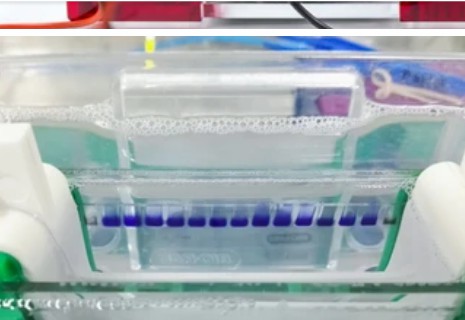 Fig 1. Western Blot Membrane Stripping for Restaining Protocol
The key to stripping a membrane is to release the antibody from the antigen while minimizing the amount of protein released from the membrane. Several protocols have been published to accomplish this purpose, including methods such as low pH, heat and detergent, and reducing agents. None of these methods can remove colored precipitates (such as BCIP, 4CN, DAB, and TMB) produced by chromogenic detection systems. However, the blot can still be analyzed with another antibody targeting a different protein of interest.
In general, these protocols should be used for qualitative purposes only, unless it has been determined that the stripping procedure will not affect the quantitative results for the given antigen. Many antigens will undergo at least 5 stripping cycles, depending on the method and membrane type used. However, it should be considered that with each stripping cycle, a small amount of membrane-bound proteins will be washed away. If several antigens need to be tested in succession, it is recommended to start with the antigen expected to be less abundant or produce less signal.
Tip: Although it is recommended to dry PVDF blots immediately after the transfer, do not dry the blots between immunodetection rounds, otherwise residual antibody molecules will become permanently bound to the membrane.
| Buffer recipe | Procedure |
| 1.5% (w/v) Glycine Between 0.1-1% (w/v) SDS 1% (v/v) Tween20 in deionized water Adjust to pH 2.2 | 1) Use a volume that will cover the Western Blot membrane and incubate for 5-10 min at room temperature. 2) Discard buffer 3) Repeat the incubation with fresh stripping buffer for 5-10 min 4) Discard buffer 5) Rinse the membrane twice with PSB for 10 min each 6) Rinse the membrane twice with PSB for 5 min each 7) Ready for blocking |
Note: Glycine solution helps to dissociate bound antibodies, while low pH can alter the structure of bound antibodies, thereby altering their binding site structure and rendering them inactive.
| Buffer recipe | Procedure |
| 1% SDS 62.5mM Tris HCl, pH 6.8 0.8% β-mercaptoethanol *Add β-mercaptoethanol under the fume hood | 1) Warm the buffer to 50°C and shake the membrane gently for 30-45 min. 2) Dispose of β-mercaptoethanol-based buffers 3) Rinse the membrane under running water for 1-2 minutes 4) Multiple capture washes in TBST 5) Ready for blocking |
Note: Any residual β-mercaptoethanol will denature freshly used antibodies, thus necessitating processing of β-mercaptoethanol-based buffers as necessary.
After performing a membrane stripping procedure, it is important to check if it was successful. This can be done by blocking with the appropriate agent and using a secondary antibody. If the primary antibody was effectively removed, there should be no signal bands detected by the secondary antibody. If there are bands, stripping was not successful and the procedure should be repeated. To avoid this outcome, it is recommended to test the stripping procedure on a negative control before applying it to the actual Western blot membrane.
Creative Diagnostics offers a variety of high-quality reagents and materials that can be used in Western blotting, including stripping buffers, blocking buffers, primary and secondary antibodies, and detection reagents. These reagents and materials are optimized for efficient and reliable Western blot stripping for restaining protocol.
Loading ......
