The parasite Toxoplasma gondii from the Apicomplexa phylum causes the infection known as toxoplasmosis. The parasite Toxoplasma gondii ranks high among global parasites because it can affect both humans and most warm-blooded animals. T. gondii exposure occurs in about one-third of the global population who remain asymptomatic. If pregnant individuals contract Toxoplasma gondii for the first time they experience severe fetal complications whereas immunocompromised patients develop intense symptoms of the sickness.
Quick Access
1. Overview of the Life Cycle
T. gondii demonstrates a complicated life cycle that includes both sexual and asexual stages to maintain its survival in multiple hosts and environments.
1. Tachyzoites
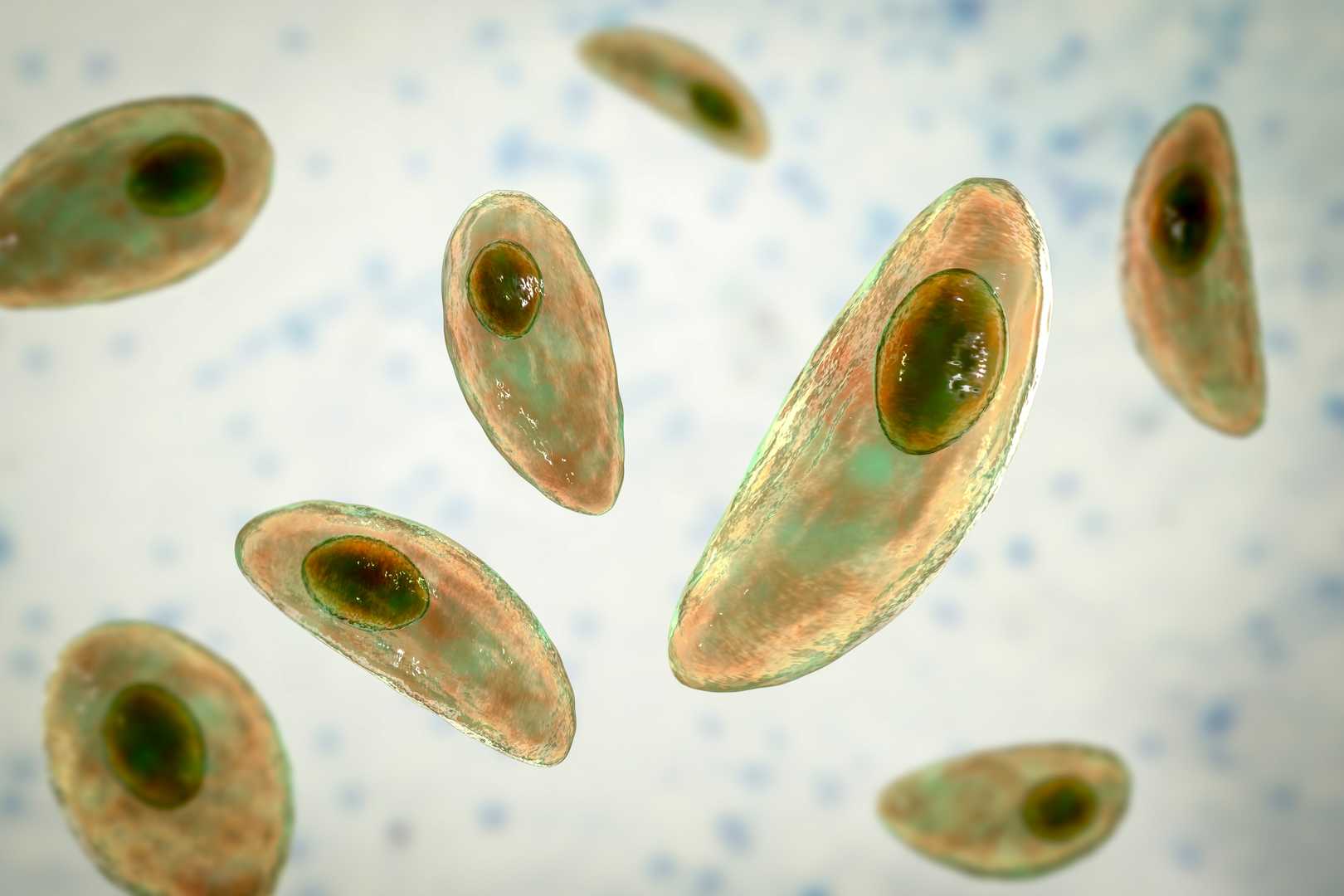
- Features: The cell structure displays a pear shape and spans from 2 to 6 micrometers long while possessing apical complex elements like the conoid and micronemes along with rhoptries.
- Role: The acute infection stage is controlled by tachyzoites which multiply quickly in any nucleated host cell to establish a parasitophorous vacuole (PVM). Tachyzoites multiply until they rupture the host cell before dispersing throughout the body.
- In the lab: Typically cultured in human fibroblasts or other standard cell lines at 37 °C in 5% CO₂ conditions.

2. Bradyzoites
- Features: Slowly dividing form that accumulates in tissue cysts ranging from 5–60 µm, each containing hundreds to thousands of bradyzoites.
- Role: Represent the chronic infection stage, usually found in the brain, muscles, and retina, capable of long-term persistence and resistant to immune responses and some drugs.
- Induction: In vitro conversion from tachyzoites can be triggered by using alkaline media (pH 8.3), low CO₂, heat shock, or HDAC3/MORC inhibition.
3. Oocysts
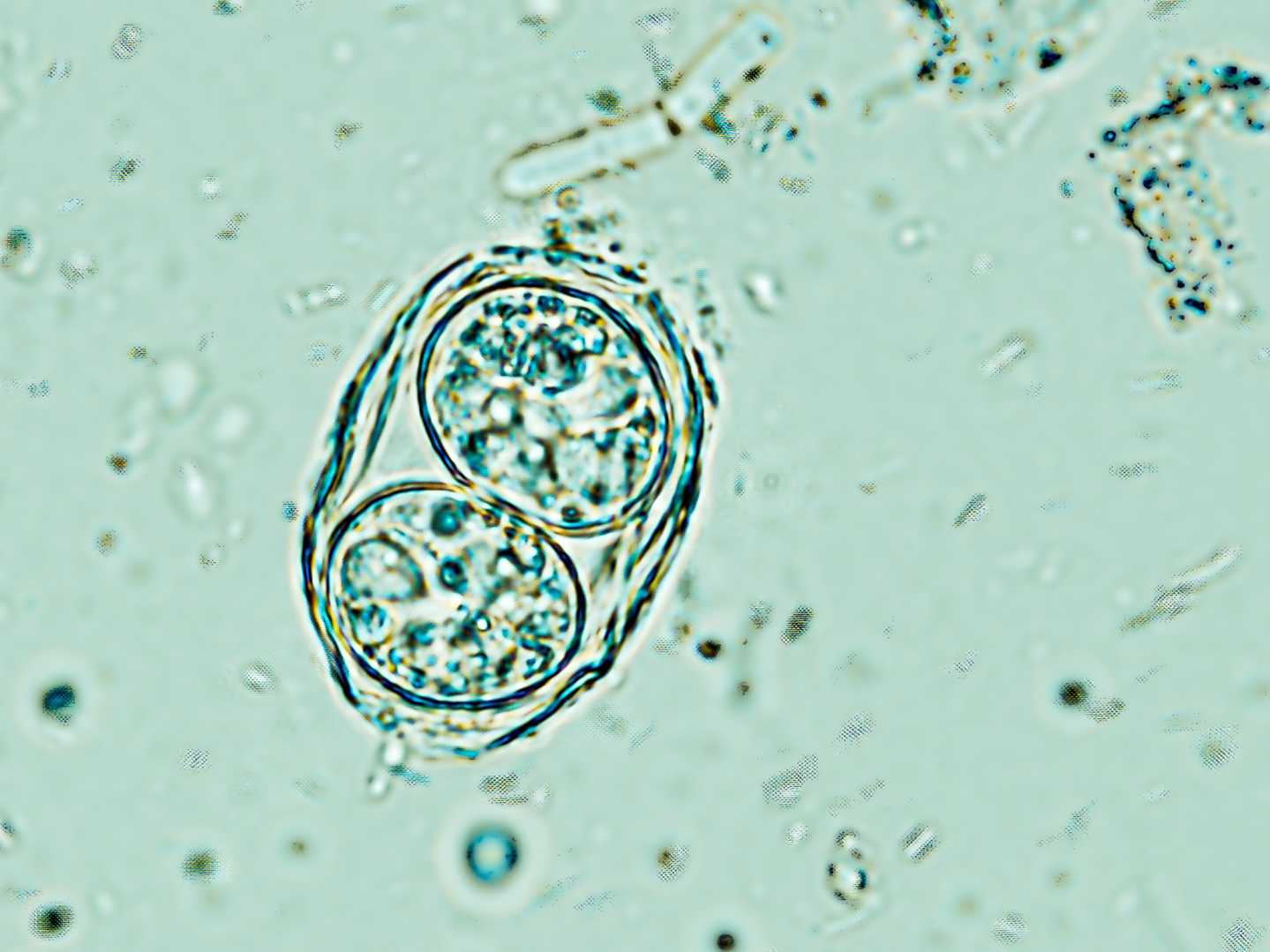
- Features: Unsporulated oocysts are oval (11–13 µm). Once sporulated, each contains two sporocysts, with four sporozoites in each.
- Role: Oocysts are highly resistant environmental forms, capable of surviving heat, cold, and drying. They can persist for months or even years in soil, water, or food surfaces.
- Excretion: Only felines undergo the sexual stage and shed oocysts via feces. Oocysts become infective within 1–5 days post-shedding.
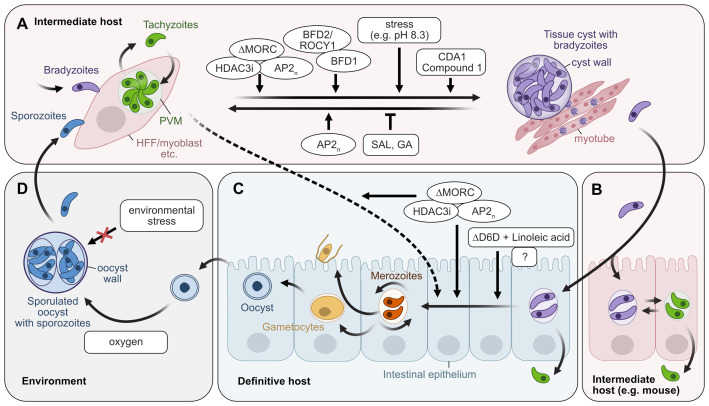
Figure 1. Life cycle of T. gondii and factors with known contribution to stage conversion. (Source: Warschkau D, Seeber F. 2023)
2. Definitive Hosts: Felines
- Sexual reproduction: Cats (domestic and wild) are the only known definitive hosts. Bradyzoites or sporozoites infect intestinal epithelial cells, develop into merozoites, then differentiate into male and female gametes. Fertilization occurs in the gut, producing oocysts.
- Unique physiology: Feline intestines are rich in linoleic acid due to a lack of Δ6-desaturase (D6D), a key factor enabling sexual development.
- Shedding patterns: After primary infection, cats begin shedding large quantities of oocysts in 3–15 days. Oocyst shedding is typically prominent only during initial exposure.
3. Intermediate Hosts: Humans, Rodents, and Others
1. Humans
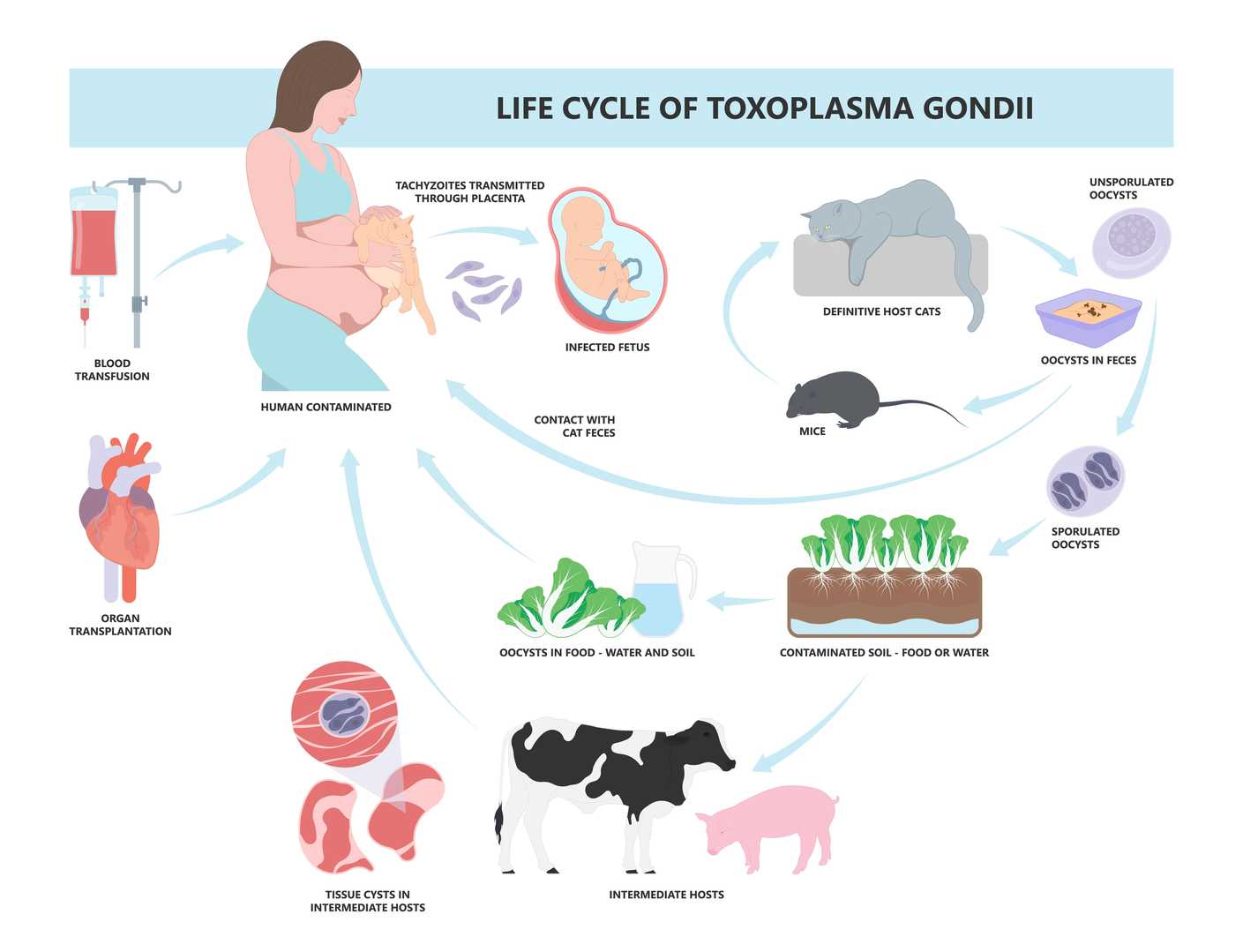
- Transmission routes: Ingesting undercooked meat containing tissue cysts, consuming contaminated water or produce, vertical transmission during pregnancy, blood transfusion, or organ transplantation.
- Clinical manifestations:
- Acute infection (tachyzoites): May resemble flu symptoms—fever, swollen lymph nodes, muscle aches.
- Chronic infection (bradyzoites): The condition remains asymptomatic while cysts continue to exist within either brain tissue or muscle and retinal cells.
Complications: Immunocompromised individuals face the risk of developing toxoplasmic encephalitis along with myocarditis and retinochoroiditis. When pregnant women experience primary infection, they can transmit fetal hydrocephalus or brain calcification and may cause congenital toxoplasmosis.
Toxoplasma Retinochoroiditis
2. Rodents
- Mouse models: Widely used in research to study acute-to-chronic transitions, brain latency, and behavioral changes.
- Wild rodents: Act as key reservoirs for cat infection; predation by cats initiates the parasite's sexual phase.
3. Livestock and Poultry
Sheep, pigs, cattle, and chickens carry tissue cysts that serve as primary sources of foodborne infections affecting humans.
4. Canines
Dogs function as mechanical hosts for parasites because they do not release oocysts but still help spread the parasite indirectly and cause environmental contamination.
4. Environmental Persistence and Transmission Network
1. Environmental Resilience
- Sporulated oocysts show great resilience because they withstand UV light exposure as well as extreme heat and cold and resist drying out. These contaminants stay active in both soil and water to become unseen sources of pollution.
- Aquatic transmission: Shellfish such as oysters and mussels can harbor oocysts which present danger to human health.
- Potential contamination sources: Contamination risks arise from raw milk, dairy products as well as fruits and vegetables alongside drinking water and raw seafood.
2. Transmission Chain
- Cat → Environment: Cats shed oocysts → contaminates soil, water, and food.
- Environment → Intermediate hosts: Humans, rodents, and livestock ingest oocysts or cyst-containing meat → acute infection → chronic infection.
- Intermediate hosts → Cat: Cats prey on infected hosts → initiate sexual reproduction → continue the cycle.

5. In Vitro Research & Alternative Models
- Stage conversion systems: Genetic manipulation (e.g., overexpressing BFD1/ROCY1 or knocking down MORC) and small molecule treatments (e.g., HDAC3 inhibitors, eIF2α regulators) enable controlled conversion between tachyzoites and bradyzoites.
- Gut organoids: Feline intestinal organoid models—supplemented with linoleic acid and D6D inhibition—mimic early sexual stages and reduce reliance on animal experiments.
- Single-cell and multi-omics approaches: Techniques like RNA-seq and proteomics help map gene expression and regulatory networks across life stages.
6. Research Tools We Offer
As a specialized supplier for Toxoplasma gondii research, we provide:
- Recombinant antigens (e.g., SAG1, GRA series) and matching IgG/IgM antibodies;
- ELISA kits, immunofluorescence kits, and Western blot tools for cats, humans, mice, and more;
- Antibodies against a broad range of T. gondii antigens for both acute and chronic stage research.
Feel free to visit our website for product details and support. Let's work together to advance research on
T. gondii life cycle and control strategies.
References
- Grada S, Mihu AG, Oatis DA, Susan M, Lupu MA, Olariu TR. Prevalence of Toxoplasma gondii IgG antibodies and associated risk factors in psychiatric patients from Western Romania: a cross-sectional study. Microorganisms. 2024;12(1):172.
- Babekir A, Mostafa S, Obeng-Gyasi E. The association of Toxoplasma gondii IgG antibody and chronic kidney disease biomarkers. Microorganisms. 2022;10(1):115.
- Tong WH, Pavey C, O'Handley R, et al. Behavioral biology of Toxoplasma gondii infection. Parasites Vectors. 2021;14:77.
- Samadzade R, Maçin S, Nsangou AM, et al. Possible link between Toxoplasma gondii and neurodegenerative diseases. Afr Health Sci. 2025;25(1):45-59.
- Warschkau D, Seeber F. Advances towards the complete in vitro life cycle of Toxoplasma gondii. Fac Rev. 2023;12:1. doi:10.12703/r/12-1