
Inquiry Basket
 Loading ......
Ascorbic acid (AA) is vitamin C, so named because it fights "scurvy". There are two forms of vitamin C, oxidised vitamin C (DHA) and reduced vitamin C (L-ascorbic acid). Vitamin C is often used as the L-ascorbic acid as the DHA is very inactive. It is water soluble and unstable under alkalinity and overheating. Our bodies have to ingest it to maintain the required amount of vitamin C. The gene for L-gulonolactone oxidase is missing from us humans, and we can't make this enzyme, so we don't make vitamin C, which is why we don't have it. Other mammals, reptiles and birds, on the other hand, can create vitamin C from glucose in their liver or kidneys. Deficient vitamin C can cause scurvy: the early signs of scurvy include general weakness, appetite loss, sluggish growth in babies, decreased digestive system, gingivitis with bleeding gums in adults, decreased collagen production, osteoporosis, systemic bleeding and hematomas and bruising.
Table 1. Vitamin C content of selected raw fruits and vegetables
| Food | Total vitamin C (mg/100g) |
| Broccoli | 89.2 |
| Chili pepper green | 242.5 |
| Cauliflower | 48.2 |
| Kiwi fruit | 92.7 |
| Lemon peeled | 53.0 |
| Orange peeled | 53.2 |
| Parsley | 133.0 |
| Strawberry | 58.8 |
(Source: Knight J, et al. 2016)
A series of compounds similar to ascorbic acid exist across different biological groups. L-ascorbic acid fatty acid ester is an important derivative of L-ascorbic acid, obtained by introducing a fatty acid chain to the sixth carbon atom of L-ascorbic acid. The fatty acid chain improves stability, oil soluble, and surfactant activity but it keeps the intact enediol structure, which helps preserve antioxidant activities. The fat-soluble and food-emulsifying property of L-ascorbic acid fatty acid ester makes it a safe, effective and non-toxic nutritional antioxidant. It is applied in food, cosmetics and medicines.
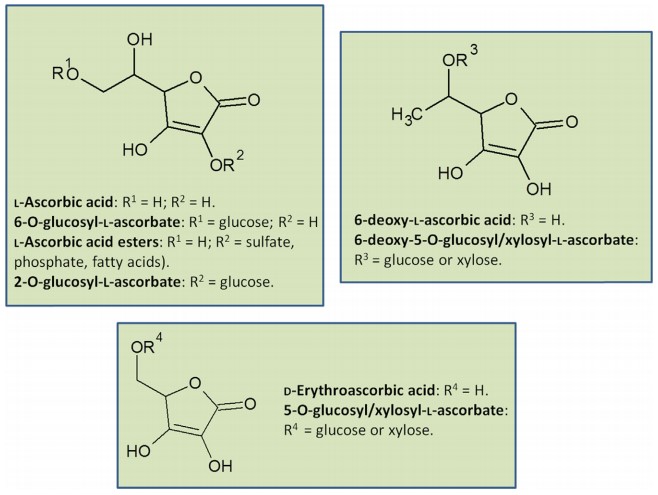 Figure 1. The diversity of ascorbate and its derivatives
(Source: Smirnoff N. 2018)
Plasma AA levels in healthy people average 40 to 80 mol/L. One thinks that without food insecurity, you can't get enough AAs, but it's not. According to large cohort studies conducted in the US and Canada, 22% to 33% of the general population have low serum AA. The incidence of AA deficiency is very high in the rest of the world, too, especially in low- and middle-income countries and among some groups in high-income nations.
Two different kinds of transport proteins are involved in regulation of vitamin C in the body, namely glucose transporters (GLUT) and sodium-dependent vitamin C transporters (SVCT). L-ascorbic acid is the major form of vitamin C in the body and it is transported and regulated by SVCT.
Vitamin C works principally in the body's redox reactions, cleaning away free radicals, lipid peroxides and reactive oxygen species to keep cells protected from oxidative damage. It is also used in hydroxylation reactions as a coenzyme for hydroxylases that help hydroxylate residues of proline and lysine. This helps to produce collagen, bone, capillaries and connective tissue, which in turn helps the animal develop and heal. Vitamin C may reduce polycyclic aromatic carcinogens' attachment to DNA and stave off the nitrite-nitrite conversion to carcinogenic nitrosamines that cause cancer. It also enhances iron absorbing by the body and folic acid action. Vitamin C controls the immune system via lymphocyte activation, CD4+ T cell proliferation and CD8+ memory T cells numbers. Similarly, it regulates B cells and inhibits macrophages to promote antibody production and immunity. In addition, it prevents the body from lipid peroxidation, fixes and enhances immunity, makes it more resistant to infection, and decreases the possibility of cancer.
The anti-tumor mechanisms of vitamin C are increasingly being revealed. There are 3 main mechanisms that are currently more recognized. These are: vitamin C-induced hydrogen peroxide production and subsequent oxidative stress, vitamin C-driven epigenetic changes, and vitamin C-controlled activity of hypoxia-inducible factor (HIF).
In the extracellular fluid, the conversion processes between different active forms of vitamin C catalyze the production of H2O2. H2O2 crosses the cell membrane and enters the cell, leading to energy depletion and ultimately causing cell death. This process may involve multiple factors. H2O2 can cause DNA strand breaks within the cell, which need to be repaired by polyADP-ribose polymerase (PARP). The repair process by PARP consumes NAD+, which is broken down into nicotinamide as a cofactor. As NAD+ is also a cofactor for GAPDH, its depletion directly affects ATP production, resulting in decreased intracellular ATP levels. The H2O2 oxidises reduced GSH to GSSG. This degradation of GSSG to GSH means less NADPH that needs to be converted into more glucose through the pentose phosphate pathway, so there isn't enough glucose in the cell, and therefore no energy to be generated. Also, H2O2 can exacerbate mitochondrial dysfunction, which directly interferes with energy production.
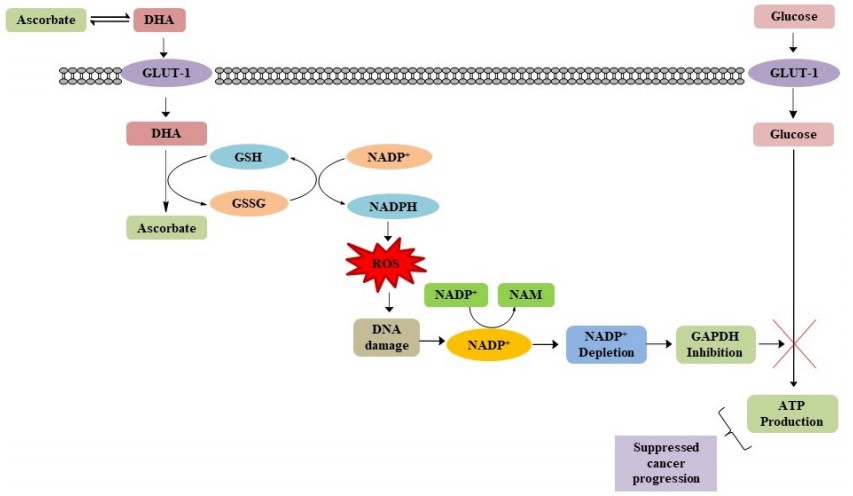 Figure 2. Role of ascorbate in impairing glucose metabolism in cancer cells
(Source: Reang J, et al. 2021)
Vitamin C is the regulator of Fe2+-alpha-ketoglutarate-dependent dioxygenases (Fe2+/α-KGDDs) through action on Fe2+/Fe3+, engaging in all manner of enzyme-driven processes in biology. Among them are the prolyl hydroxylases, histone demethylases (HDMs), homologs of alkyl hydroxylases, and ten-eleven translocation (TET) enzymes. Vitamin C also acts as a cofactor that triggers TET proteins to promote DNA demethylation and hydroxymethylation. This leads to re-expression of tumor suppressor genes on tumour cells, stem cell differentiation and immune signalling via DNA methyltransferase inhibitors (DNMTi). HDMs can strip methyl groups from the arginine and lysine residues on histones.
HIF is a heterodimeric transcription factor composed of oxygen-activated HIF-1-alpha and expressed HIF-1-beta. By glycolysing, angiogenizing, erythropoiesing and regenerating tissue, it also predisposes cells to hypoxic and metabolic stress. HIF-1 is activated in the hypoxic microenvironment of solid tumours and, as a major regulator of tumor growth, progression and chemo-resistantness, is a promising target for the treatment of cancer. HIF-1 activity is also regulated by HIF hydroxylases, which belong to the Fe2+/α-KGDD family. Therefore, vitamin C can theoretically enhance the function of HIF hydroxylases. In vitro experiments have shown that vitamin C can increase the activity of intracellular HIF hydroxylases and inhibit HIF-1 transcriptional responses.
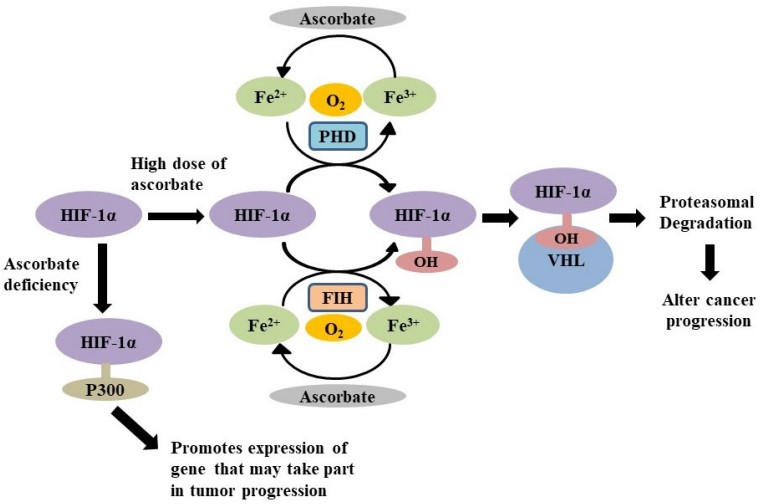 Figure 3. Ascorbate regulates HIF-1α leading to alteration of cancer progression
(Source: Reang J, et al. 2021)
Low vitamin levels during pregnancy do harm not only the mother but the foetus too, because they affect normal development of the foetus. If a pregnant woman doesn't get enough vitamins in her diet, or is not well-equipped to supplement them on time, then a prolonged absence of any given vitamin can easily cause metabolic problems in the mother. This can then develop a foetus inside the womb that can be retarded or cause other problems for mom and baby. Conversely, when a pregnant woman is either malnutrition-aligned in her diet or ingests the vitamin overload on a whim, excess vitamins in the body also poison the foetus, even toxicity.
Vitamin C can promote the healthy development of the fetus and help pregnant women better absorb iron and calcium, supporting the development of the fetus's teeth and bones, preventing anemia, and reducing gum bleeding. Additionally, vitamin C is related to fetal brain development; the brain is the organ with the highest concentration of vitamin C in the fetus. Adequate intake of vitamin C by pregnant women can enhance fetal brain function and support intellectual development. However, insufficient dietary intake of vitamin C during pregnancy may lead to poor fetal brain development. Conversely, excessive long-term intake of vitamin C can also have adverse effects, such as oxaluria, hyperuricemia, and it may increase the risk of embryo arrest, spontaneous abortion, or even intrauterine fetal death in severe cases.
Massive doses of vitamin C can help red blood cells stick better to endothelial cells and generate more thrombin from red blood cells. It does this by externalising phosphatidylserine and generating microvesicles that trigger red blood cell coagulation. Moreover, high doses cause the release of arachidonic acid and change cell membranes, encouraging pro-thrombotic stimulation and adhesion of red blood cells to increase thrombotic development.
On the other hand, high doses of vitamin C have been found to be closely related to the urinary system and kidneys. Research based on experimental data has demonstrated a significant correlation between high vitamin C intake and an increased risk of kidney stones in men. These stones are composed of calcium oxalate, including both anhydrous and monohydrate forms. A study involving clinical kidney transplant patients reported that those who took vitamin C at doses exceeding normal levels before transplantation showed oxalate deposits in bone absorption and calcium oxalate deposits in the bone marrow. After transplantation, routine treatment still included vitamin C, and the patient's creatinine levels rose from 300 µmol/L to 587 µmol/L. A biopsy of the allograft revealed extensive tubular degeneration, typical acute tubular necrosis, and oxalate crystal deposits.
Additionally, high doses of vitamin C can cause diarrhea and bloating, and increase the excretion of iron, calcium, and manganese in urine. The increased absorption of iron can lead to iron overload. It can also raise blood uric acid levels, potentially triggering gout. Intravenous administration of high doses of vitamin C may cause excessive bleeding due to tumor necrosis, which can result in death.
References
| Target | Cat. No. | Product Name | Size | Species | Application | Detection Sample | |
| VC | DEIASL337 | Vitamin C ELISA Kit | 96T | Quantitative | Cereals (maize meal, soybean meal, millet flour, rice flour), milk, milk powder | Inquiry | |
| DEIASL337-1 | Vitamin C(VC) Colorimetric Assay Kit | 96T | Quantitative | Serum, plasma, animal/plant tissue samples | Inquiry |
| Target | Cat. No. | Product Name | Host | Isotype | Application | |
| VC | DPAB1686 | Anti-Ascorbic Acid polyclonal antibody | Rat | IgG | Inquiry |
| Target | Cat. No. | Product Name | Expression System | Tag/Conjugate | Application | |
| VC | DWT117 | L-Ascorbic Acid (Vitamin C) Standard solution | N/A | N/A | Inquiry | |
| DAGA-125B | Vitamin C [BSA] | N/A | BSA | LFIA | Inquiry | |
| DAGA-125H | Vitamin C [HRP] | N/A | HRP | ELISA | Inquiry | |
| DAGA-125K | Vitamin C [KLH] | N/A | KLH | Immunogen | Inquiry | |
| DAG-WT083 | Vitamin C [OVA] | N/A | OVA | N/A | Inquiry | |
| DWT117 | L-Ascorbic Acid (Vitamin C) Standard solution | N/A | N/A | Inquiry | ||
| DAG-WT2687 | Vitamin C control | N/A | Unconjugated | Immunoassays | Inquiry |
Loading ......
