
Inquiry Basket
 Loading ......
Arginine is a conditionally essential amino acid that plays a physiological role in the body in the form of L-arginine, which can be synthesised in normal adults to meet its metabolic requirements. As a basic amino acid, arginine contains four nitrogen atoms per molecule and is considered the most abundant nitrogen carrier in humans and animals. Arginine is a component of proteins in the body that can be produced by endogenous conversion, mainly through the small intestine-renal metabolic axis. Glutamate, glutamine and proline can be synthesised into citrulline in the mitochondria of intestinal epithelial cells, which subsequently reaches the kidneys via the blood circulation. Citrulline is converted to arginine by the action of the argininosuccinate synthase (ASS) and the argininosuccinate lyase (ASL). Arginine can be metabolised in the body by three pathways: one is the oxidative pathway, which is catalysed by nitric oxide synthase (NOS) to produce biologically active nitric oxide (NO); Secondly, it is hydrolysed to ornithine under the catalysis of arginase, and then the carboxyl group is removed under the catalysis of ornithine decarboxylase (ODC) to form putrescine, which can be generated into spermidine and spermine (collectively referred to as polyamines); Thirdly, arginine is broken down by glycine amidinotransferase into ornithine and inosinic acid, which are then degraded to ornithine and urea by arginase.
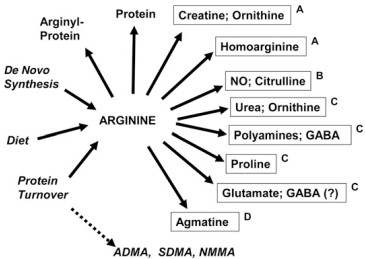 Figure 1. Overview of the metabolic origins and products of arginine in mammals
(Source: Morris SM Jr. 2016)
As a semi-essential functional amino acid with various functions, L-arginine has a wide range of applications in the food, feed, cosmetic and pharmaceutical industries. During life metabolism, L-arginine is involved in biochemical reactions such as ammonia detoxification, hormone secretion, and immunity, as well as promoting muscle formation and wound healing. L-arginine belongs to the glutamic acid family, which is used as a precursor substance for the final synthesis of L-arginine catalysed by a total of 7-8 enzymes. There are three biosynthetic pathways of L-arginine in microorganisms based on the way the acetyl group is involved, including the linear pathway, the cyclic pathway, and the novel pathway of L-arginine synthesis.
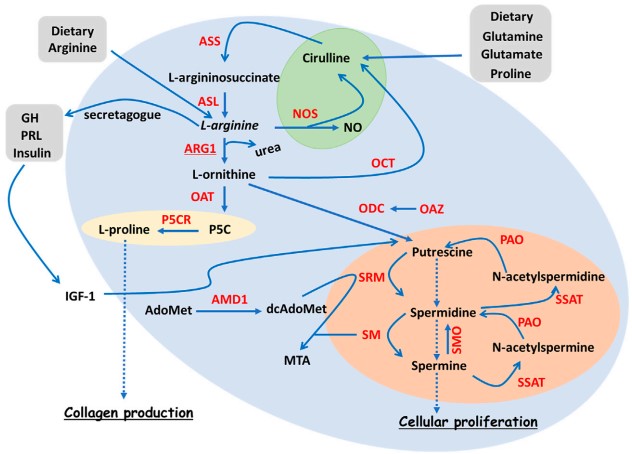 Figure 2. Overview of L-arginine metabolism
(Source: Szondi DC, et al. 2021)
Arginine has important physiological and biochemical functions in the animal body. In addition to being an essential raw material for protein synthesis, it is also the precursor of urea, creatine, pyrimidine, polyamine, butylamine and NO in the body. Arginine is also an intermediate in the conversion of glutamic acid, aspartic acid, hydroxyproline, and proline to high-energy phosphate compounds, and is the only source of ammonia for the synthesis of creatinine acid. Arginine plays an important role in regulating immune function, improving cardiovascular disease, promoting wound recovery and reducing oxidative stress.
The accumulation of free radicals leads to oxidative stress, and oxidative stress leads to a variety of diseases. Some studies have found that the addition of arginine to animal feed can effectively promote growth and improve antioxidant capacity in experimental subjects. Arginine increases the expression of endogenous antioxidant enzymes and promotes GSH synthesis in rats, thereby reducing the production and accumulation of ROS, increasing the antioxidant level of the organism, and reducing the generation of oxidative stress. L-arginine can improve the state of exercise-induced oxidative stress through the arginine-NO pathway, which exerts an anti-oxidative stress effect by increasing NO bioavailability and inhibiting inducible NOS (iNOS) activity. On the other hand, L-arginine improves the oxidative stress state of the body by promoting glutathione (GSH) synthesis. Studies have shown that L-arginine promotes GSH synthesis by enhancing the expression and activity of glutamate cysteine ligase (GCL) and GSH synthase (GS). And GSH, as an endogenous antioxidant, can scavenge free radicals, block lipid peroxidation and reduce mitochondrial DNA damage.
Nuclear factor NF-E2-related factor 2 (Nrf2) is a key transcription factor in the antioxidant mechanism against oxidative stress, which contributes to the amelioration of the oxidative stress state and the maintenance of the redox homeostasis of the organism by inducing and regulating the gene expression of antioxidant response element (ARE)-dependent phase II detoxifying and antioxidant enzymes. Kelch-like epichlorohydrin-associated protein 1 (Keap1) and ubiquitin ligase Cul3 are negative regulators of Nrf2 activation. Under normal physiological conditions, Nrf2 is anchored in the cytoplasm by Keap1, and when the organism is attacked by ROS, Nrf2 rapidly dissociates from Keap1 and translocates to the nucleus, activating the expression of endogenous antioxidant genes regulated by Nrf2. The researchers found that L-arginine inhibited the expression of Keap1 and Cul3 and activated Nrf2 thereby upregulating the expression of antioxidant genes. The activated Nrf2 pathway promotes the expression of GSH synthesis-related genes and enhances GSH synthesis.
Arginine promotes placental, fetal and zygotic growth and development mainly through NO, polyamines, mammalian target of rapamycin (mTOR) signalling pathway, and secretion of growth hormone and insulin. NO, as an endogenous information molecule, plays an important role in placental angiogenesis, implantation, and later fetal growth and development. Arginine is a donor of NO in vivo and the reaction is catalysed by NOS. Impaired placental angiogenesis and inadequate blood supply in later life can lead to a lack of maternal oxygen and nutrient delivery to the foetus, resulting in intrauterine growth retardation (IUGR). NO promotes placental angiogenesis via vascular endothelial growth factor (VEGF) and angiopoietin, which are involved in endothelial cell proliferation, extracellular matrix degradation, endothelial cell migration, and vascular lumen formation. Polyamines play an important role in accelerating cell proliferation, differentiation and tissue formation. ODC is the rate-limiting enzyme in the production of polyamines from arginine, so that ODC activity and polyamine content are significantly higher in actively growing embryos. Polyamines may act on placental, embryonic and foetal growth and development by regulating the production of steroid hormones.
Asymmetric dimethylarginine (ADMA) is widely found in cells and tissues of the body and is produced by the degradation of proteins containing arginine residues in the presence of arginine methylation transferase enzymes (PRMTs). It is an endogenous NOS inhibitor, mainly produced by endothelial cells, that inhibits NO bioavailability and is associated with cardiovascular events and metabolic disorders of insulin resistance. PRMTs are divided into two isoforms, PRMT I and PRMT II. The former is mainly found in tissues such as the heart and kidney and catalyses the production of ADMA and monomethylarginine (L-NMMA) as substrates, while the latter catalyses the production of symmetric dimethylarginine (SDMA) and L-NMMA as substrates. Normal humans produce about 300 μmol/L of ADMA per day, most of which is hydrolysed to dimethylamine and citrulline by dimethylarginine dimethylamine hydrolase (DDAH), with a small amount excreted by the kidneys.
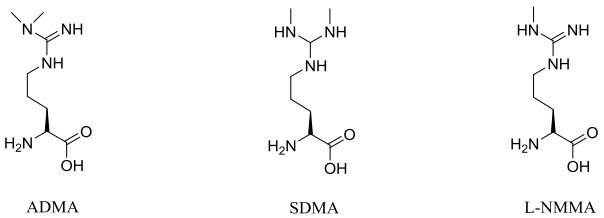 Figure 3. Biochemical structure of ADMA, SDMA and L-NMMA
(Source: Szondi DC, et al. 2021)
In the early stages of diabetes, ADMA is one of the correlates of insulin resistance, which is independent of ultrasensitive C-reactive protein (CRP) and hyperlipidemia, and is also a predictor of insulin resistance and is involved in the development of insulin resistance. Several studies have suggested that a hyperglycaemic dysmetabolic state caused by long-term insulin resistance leads to elevated serum ADMA in patients with type 2 diabetes mellitus, and that ADMA is significantly and positively correlated with glycated haemoglobin. Among diabetic patients, those with a long duration of disease and poor glycaemic control are prone to complications of cardiovascular disease, which has become a major cause of death in diabetic patients. Serum ADMA contributes to endothelial cell dysfunction by reducing NO synthesis, which in turn induces cardiovascular disease. The researchers found that ADMA levels were higher in patients with diabetes combined with cardiovascular disease than in patients with diabetes alone.
Elevated plasma ADMA is one of the strongest predictors of death in patients who have had a previous myocardial infarction or who suffer from chronic left heart failure, as well as an independent risk factor for several disease conditions that lead to heart failure. Plasma ADMA levels were found to be higher in patients with hypertension grade 2 than in patients with hypertension grade 1, and plasma ADMA levels increased significantly with exacerbation in hypertensive patients. Controlling ADMA levels in hypertensive patients can significantly reduce their blood pressure. Thus, at all stages of hypertension, elevated ADMA is involved in impairment of vascular endothelial function, damage to the vascular endothelium, reduced responsiveness to endothelium-dependent vasorelaxing substances, diminished vasorelaxation, and increased blood pressure, and the level of elevated ADMA correlates with the severity of vascular endothelial damage.
Damage to the vascular endothelium, migration and proliferation of smooth muscle cells, and conversion of macrophages into foam cells are 3 important aspects of coronary atherosclerosis formation. Animal experiments revealed that injection of ADMA into mice for 4 weeks promoted coronary atherosclerotic plate formation, and increasing plasma ADMA concentrations in mice increased thrombosis and atherosclerosis. In this regard, researchers have proposed multiple possible mechanisms for the involvement of ADMA in atherosclerosis. ADMA may competitively inhibit NOS, leading to a decrease in NO levels in the body. ADMA may also affect vascular endothelial function, and endothelial cell dysfunction can lead to the development of atherosclerosis. Endothelium-dependent vasodilatory hypoplasia has been found to be present in patients with coronary artery disease with elevated ADMA levels, and the severity of endothelial dysfunction is significantly correlated with ADMA levels. In addition, ADMA has a close relationship with platelets. ADMA levels are directly correlated with the presence of von Willebrand factor (vWF) and thromboxane A2 (TXA2) metabolites, the latter two of which are associated with platelet adhesion and aggregation, suggesting that ADMA may be involved in the development of atherosclerosis.
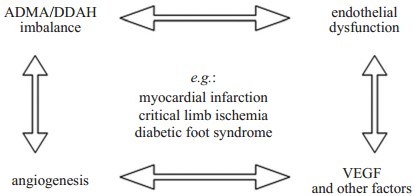 Figure 4. The mechanisms of feedback and "vicious circle" that lead to pathological angiogenesis in cardiovascular diseases
(Source: Wieczór AM, et al. 2018)
References
| Target | Cat. No. | Product Name | Size | Species Reactivity | Application | Detection Sample | |
| ADMA | DEIABL440 | ADMA-Arginine ELISA Kit | 2 x 96T | Quantitative | Serum, EDTA-Plasma | Inquiry | |
| DDAH1 | DEIA093J | Symmetric Dimethylarginine ELISA Kit | 96T | Human | Quantitative | EDTA plasma, serum | Inquiry |
| mono methyl Arginine | DEIA10208 | L-Arginine ELISA Kit | 96T | Human | Quantitative | EDTA-plasma | Inquiry |
| GATM | DEIA086J | L-Arginine ELISA Kit | 96T | Human | Quantitative | EDTA plasma | Inquiry |
| PADI2 | DEIA-FN1074 | Human PADI2 (Protein-arginine deiminase type-2) ELISA Kit | 96T | Quantitative | Serum, plasma, cell culture supernatants, tissue homogenate | Inquiry | |
| PADI4 | DEIA-FN1075 | Human PADI4 (Peptidyl Arginine Deiminase Type IV) ELISA Kit | 96T | Quantitative | Serum, plasma, cell culture supernatants, tissue homogenate | Inquiry | |
| PRELP | DEIA-FN1184 | Human PRELP (Proline Arginine Rich End Leucine Rich Repeat Protein) ELISA Kit | 96T | Quantitative | Serum, plasma, cell culture supernatants, tissue homogenate | Inquiry | |
| SRSF1 | DEIA-FN1466 | Human SRSF1 (Serine/arginine-rich splicing factor 1) ELISA Kit | 96T | Quantitative | Serum, plasma, cell culture supernatants, tissue homogenate | Inquiry |
| Target | Cat. No. | Product Name | Expression System | Tag/Conjugate | Application | |
| L-Arginine | DAG3361 | L-Arginine [G-BSA] | N/A | BSA | IHC, ICC | Inquiry |
| DAGS074 | L-Arginine standard | N/A | N/A | ELISA | Inquiry | |
| mono methyl Arginine | DAG3642 | L-Arginine [BSA] | N/A | BSA | N/A | Inquiry |
| Target | Cat. No. | Product Name | Host | Isotype | Application | |
| mono methyl Arginine | DPAB1739 | Anti-L-arginine polyclonal antibody | Rabbit | IgG | ICC | Inquiry |
| DMABT-Z60474 | Anti-mono methyl Arginine monoclonal antibody, clone 7F3 | Mouse | IgG1, κ | WB, ChIP | Inquiry | |
| DMABT-Z60473 | Anti-mono methyl Arginine monoclonal antibody, clone 28D23 | Mouse | IgG2b, κ | WB, ICC, IF | Inquiry | |
| DPABT-H20317 | Anti-dimethyl-Arginine polyclonal antibody | Rabbit | IgG | WB | Inquiry | |
| DPATB-H82167 | Anti-Succinylarginine polyclonal antibody | Rabbit | IgG | ICC | Inquiry | |
| dimethyl Arginine | DMABT-Z60472 | Anti-dimethyl Arginine monoclonal antibody, clone 33E9 | Mouse | IgM, κ | IP, WB, ChIP | Inquiry |
Loading ......
