
Inquiry Basket
 Loading ......
Rheumatoid arthritis (RA) is a chronic, autoimmune disease that mostly strikes the synovial joints, in which immune cells invade the joints.
Pathogenesis of RA
RA results from the long-term, circular relationship between genetic, environmental and immune mechanisms.
RA's strongest genetic risk lies in the human leukocyte antigen (HLA) gene, which alone accounts for 30 to 50 per cent of RA's genetic risk. Multiple RA risk variants in the HLA-DRB1 gene share a conserved amino acid sequence. An HLA SE copy makes RA nearly 4x more likely, and two copies of the SE allele about 11.
Infections with bacteria (Porphyromonas gingivalis, Aggregatibacter actinomycetemcomitans, Fusobacterium nucleatum) can induce autoantigens in RA. These autoantigens can be encased into autoantibodies such as anti-citrullinated protein/peptide antibodies (ACPA), anti-carbamylated protein antibodies (anti-CarP), anti-acetylated protein antibodies (AAPA) and anti-modified protein antibodies (AMPA) for the pathogenesis, prediction, diagnosis and prognosis of RA.
Autoantibodies in RA
Autoantibodies typical of RA are rheumatoid factor (RF) and antibodies to post-translationally altered proteins, like ACPA and anti-CarP proteins. These autoantibodies might form immune complexes in the joints that attract immune cells. Depending on whether or not those autoantibodies are present, RA patients are seropositive or seronegative.
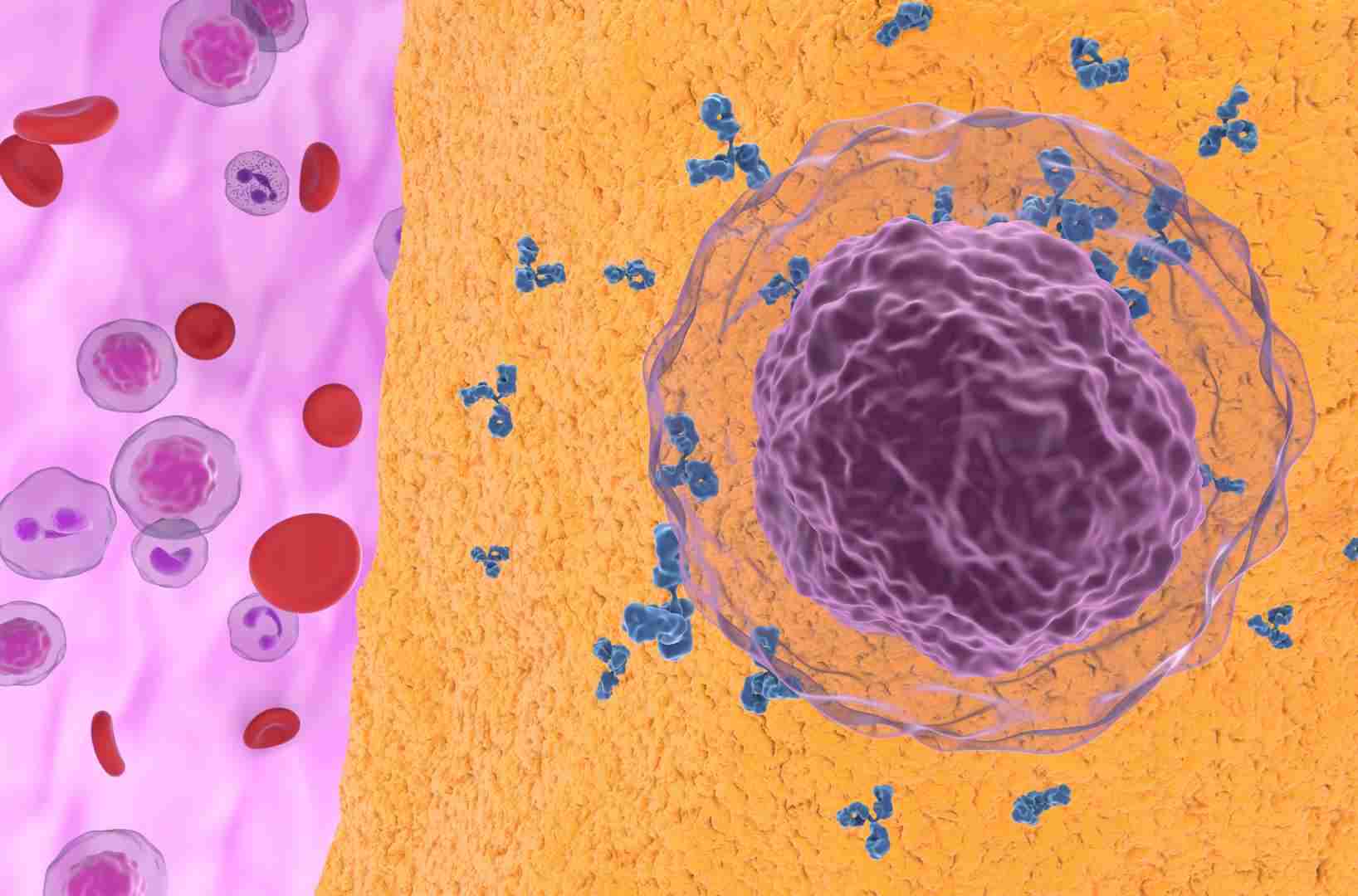
RA patients are divided into RF/ACPA-positive ("seropositive") and "seronegative" subsets. For early undifferentiated arthritis, studies have shown that the likelihood ratio of RA diagnosis by RF is between 1.1 and 13.5. ACPA is remarkably sensitive (60-78%) and specific (86-99%) to RA. A number of recently discovered autoantibodies - including anti-keratin, anti-citrullinated peptides, anti-RA33, anti-Sa, and anti-p68 - were found to be more than 90% specific for RA.
Creative Diagnostics offers a wide range of RA diagnostic testing services, targeting various biomarkers relevant for diagnosis.
Our Services Include:
Anti-RF (Rheumatoid Factor) Testing
Methods: ELISA, Immunoturbidimetry, Immunofluorescence (IIF)
Anti-RF is a hallmark antibody for RA, aiding in diagnosis and disease activity assessment. In RA, RF can induce the formation of immune complexes at inflammation sites in the synovium, activating complement and white blood cell infiltration, which may sustain local inflammation.
RF can be used to predict RA development, as detecting RF IgM, IgA, and IgG may detect the disease several years before clinical symptoms appear. High titers of RF are associated with worse prognosis, more aggressive joint disease, increased disease activity, reduced remission rates, higher extra-articular manifestations, and increased morbidity and mortality, especially when used alongside ACPA.
Anti-Citrullinated Peptide Antibodies (ACPA) Testing
Methods: ELISA, Immunofluorescence (IIF)
ACPA is a highly specific marker for RA, often indicating a more severe disease course and assisting in early diagnosis and risk assessment.
ACPA is produced through post-translational citrullination mediated by the enzyme PAD, with various antibody isotypes (IgG, IgA, IgM) generated in response.
The Fc region of ACPA has lower galactosylation and sialylation, which may alter Fcγ receptor signaling, driving osteoclastogenesis and accelerating bone resorption and joint damage. In RA, lower sialylation levels in ACPA-IgG are associated with bone loss and decreased trabecular bone mass. Immune complexes formed between ACPA and citrullinated fibrinogen can stimulate TNF production through Fcγ receptors on macrophages, contributing to immune response activation.
ANA (Antinuclear Antibody) Testing
Methods: ELISA, Indirect Immunofluorescence (IIF)
ANA can be helpful in diagnosing systemic autoimmune diseases, particularly in cases of comorbidities with other autoimmune conditions.
Anti-Collagen Antibodies Testing
Methods: ELISA, Western blot
Testing for anti-collagen antibodies helps identify unique immune responses in RA, serving as an indicator for disease activity monitoring.
At Creative Diagnostics, we use advanced detection methods such as ELISA, Immunoturbidimetry, Immunofluorescence (IIF), and Western blot to cover multiple RA-related targets.
ELISA as a Core Testing Method
ELISA is a highly sensitive and specific technique for detecting RA-associated autoantibodies, including RF, ACPA, and ANA. The testing process begins with plate coating, where RA-related antigens such as citrullinated peptides (for ACPA detection) or human IgG Fc (for RF detection) are immobilized on a microplate. Next, a blocking step prevents non-specific interactions, ensuring high specificity. Patient serum or plasma samples are then added, allowing autoantibodies to bind to the antigens. Following this, a detection antibody-conjugated to an enzyme like HRP-is introduced, binding specifically to the patient's autoantibodies. After washing away unbound components, a chromogenic substrate (e.g., TMB) is added, leading to a color change proportional to the autoantibody concentration. The final step involves absorbance measurement at 450 nm using a microplate reader, providing quantitative results for RA diagnosis and disease monitoring.
ELISA is a top method for RA testing due to its high sensitivity and specificity, detecting low autoantibody levels with accuracy. It enables quantitative analysis, aiding in disease monitoring and treatment assessment. ELISA also supports early diagnosis, detecting biomarkers like ACPA and RF before symptoms appear. Its high-throughput capability allows standardized, reproducible testing of multiple samples, making it superior to traditional serological methods.
Customized Testing Services:
We offer tailored testing services that account for individual patient differences, designing personalized testing plans to meet various research needs.
Creative Diagnostics is committed to providing support for test and analyst. Need help choosing the right method for your situation? Contact our expert team for personalized recommendations and find the best testing services for your needs.
Feel free to reach out-We're here to help you on your journey to better research!
Loading ......
