
Inquiry Basket
 Loading ......
Veterinary infectious disease virus is the main factors affecting the health of livestock, domestic animals and wild animals. Due to deforestation and biodiversity loss associated with the expansion of agricultural land, animal breeding may indirectly lead to the spread of wild animal pathogens. In addition, intensive animal farming has created conditions for the emergence and expansion of epidemics.
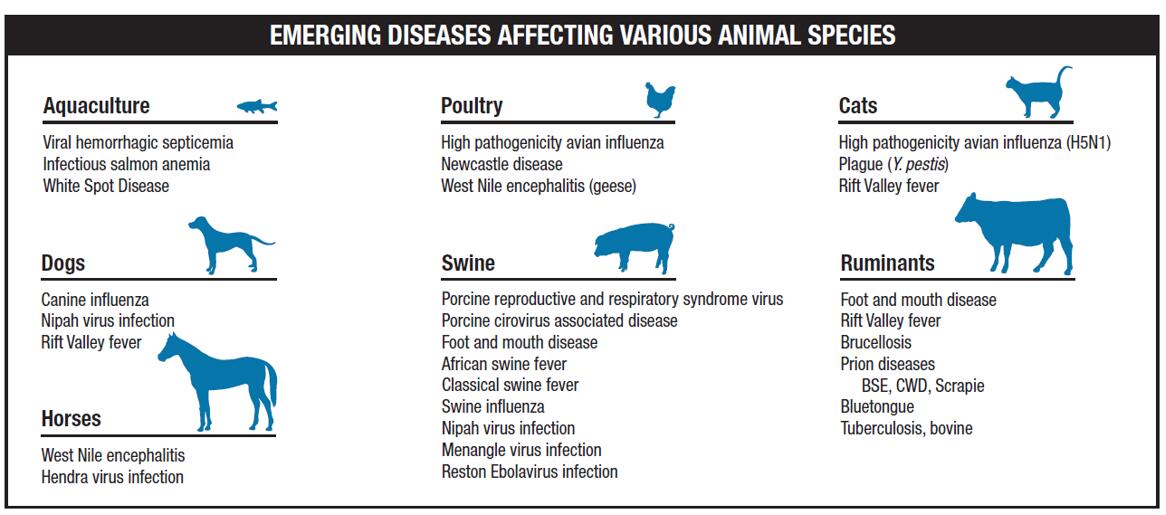 Fig. 1 Emerging Diseases Affecting Various Animal Species (Roth JA. 2011)
The COVID-19 pandemic shows that the social costs caused by animal infectious diseases could be huge. They include not only the direct human and animal health costs, but also the indirect economic costs of reducing business activities, as well as the related environmental impacts during and after the epidemic, and the costs of preventive measures. The effective control of these infectious diseases is essential to social economy, food safety and security, and human health. The research of veterinary infectious disease virus includes pathogen, epidemiology, diagnostic methods, molecular evolution, immune response, treatment and prevention of infectious diseases.
The general veterinary diagnostic methods to veterinarians, the livestock industry, and researchers include:
The burden of veterinary infectious diseases is a major constraint to sustainable agricultural development, food security and participation of developing countries in international trade of livestock products. Vaccination is one of the most important and cost-effective methods to prevent veterinary infectious diseases. Most licensed viral vaccines are live-attenuated and inactivated. Live-attenuated vaccine is very effective in inducing long-term immunity through cell-mediated and humoral immune response. However, these vaccines are not suitable for pregnant and immunocompromised animals, and some have the potential to return to virulence. Inactivated vaccines are not able to self-replicate, so they cannot infect other identities, but they lack the ability to induce lasting and comprehensive cell-mediated immune responses. Recombinant subunits, DNA and non-pathogenic virus-free vaccines are the most cost-effective methods for antigen production. These antigens do not contain exogenous substances related to conventional vaccines, toxins related to pathogens and immunosuppressive components, and have the ability to trigger long-term immunity.
Loading ......
