
Inquiry Basket
 Loading ......
Nasopharyngeal carcinoma (NPC) is an epithelial malignant tumor originating from the mucosa of the nasopharynx, mainly occurring on the top and side walls of the nasopharynx, especially in the pharyngeal crypts. The causes of nasopharyngeal carcinoma include EB virus infection, genetic and environmental factors, and some unhealthy lifestyle habits such as excessive smoking and consumption of pickled foods may also trigger the occurrence of the disease. Cervical lymph node enlargement is often the first symptom. In terms of symptoms, early nasopharyngeal carcinoma often does not cause obvious symptoms. In the advanced stage, symptoms such as tinnitus, hearing loss, nasal congestion, bloody nasal discharge, headache, as well as neck lumps and cranial nerve paralysis may occur. Regarding infectivity, there is no clear evidence of interpersonal transmission for nasopharyngeal carcinoma.
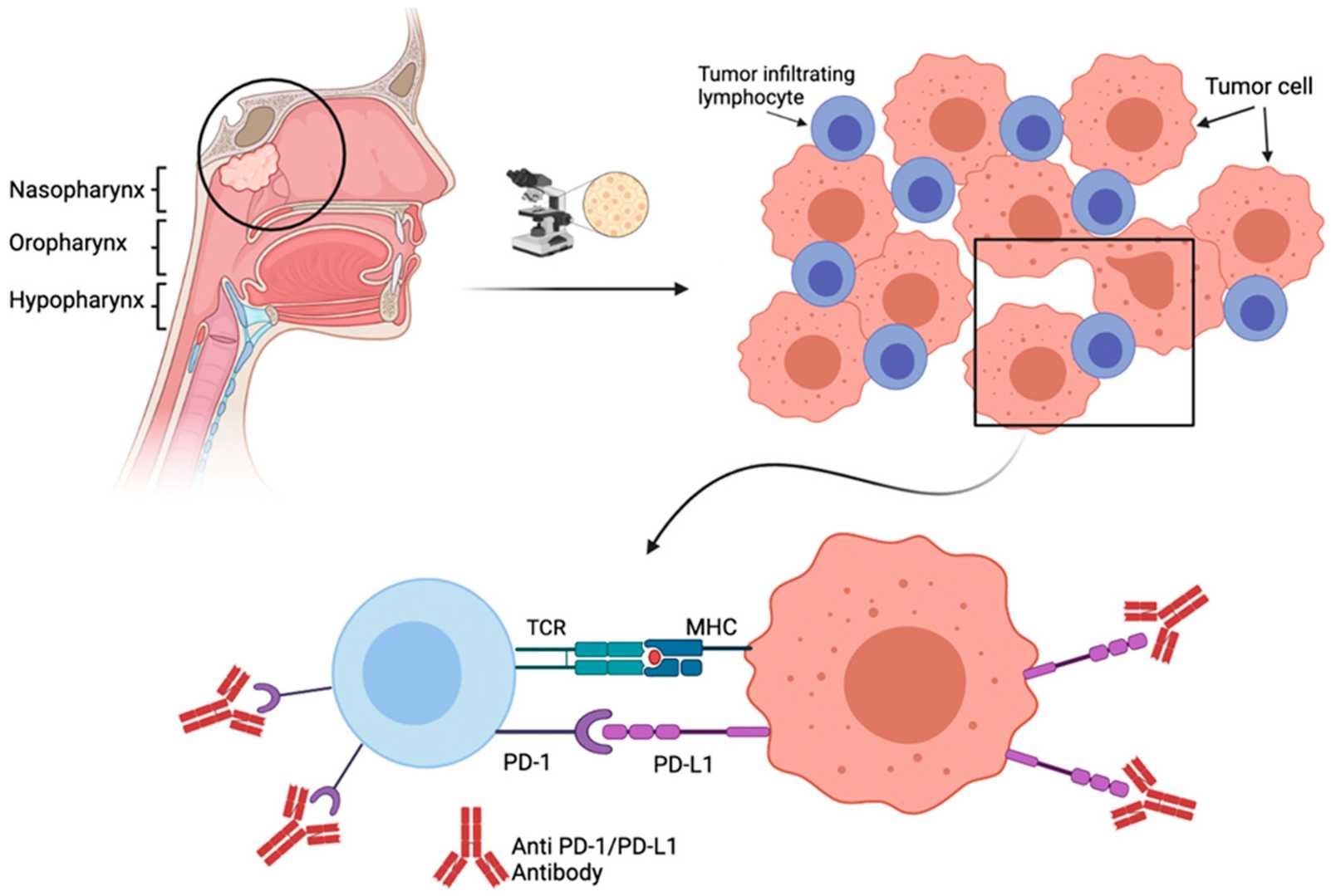 Figure 1. Nasopharyngeal carcinoma. (Yu, Justin, et al. 2021)
At present, it is believed that the occurrence of nasopharyngeal carcinoma is mainly related to factors such as EB virus infection, genetics, and environment. At the same time, unhealthy lifestyles can also trigger the occurrence of the disease, such as excessive smoking, consumption of pickled foods, air pollution, etc.
| Symptoms | Descriptions |
| Causes | Epstein-barr virus: Through molecular hybridization and polymerase chain reaction techniques, the DNA, mRNA, or gene expression products of EB virus can be discovered in nasopharyngeal carcinoma biopsy tissues. EB virus mainly infects human oral epithelial cells and B cells, integrates into host cell DNA, prevents apoptosis of infected cells, and activates their growth, causing nasopharyngeal carcinoma. |
| Inducing factors | Individual Nasopharyngeal cancer can occur at any age, but it is most common in adults aged 40 to 50 years, of which the incidence rate of men is higher than that of women. |
| Environmental factor | The nickel content in food and water is relatively high in high-risk areas for nasopharyngeal carcinoma, and animal experiments have shown that nickel can induce nasopharyngeal carcinoma. |
| Dietary factors | Salted fish, preserved meats, and other pickled foods are high-risk factors for nasopharyngeal carcinoma. During the pickling process, these foods produce the 2A carcinogen nitrite, which can induce nasopharyngeal carcinoma. The rat cancer induction experiment found that nitrosamines can induce nasopharyngeal carcinoma. |
| Genetic factors | Nasopharyngeal cancer patients have obvious ethnic and familial clustering. For example, families with high incidence rate move overseas, and their descendants still have a high incidence rate. |
| Symptoms | Descriptions |
| Physical Examination | A complete and orderly physical examination, especially the examination of twelve pairs of cranial nerves and cervical lymph nodes, is essential. Based on the changes in the patient's symptoms and signs during the treatment process, the effectiveness of the treatment can be preliminarily judged. |
| Nasopharyngeal endoscopy and biopsy | Indirect nasopharyngoscopy and electronic nasopharyngoscopy can be used for examination. Nasopharyngeal carcinoma is more common in the anterior wall of the nasopharynx and the pharyngeal recess. Nasopharyngeal endoscopy can observe small nodular or granulomatous elevations at the lesion site, with rough and uneven surfaces that are prone to bleeding. Early lesions are atypical and can be diagnosed through pathological biopsy of nasopharyngeal lesions. |
| Magnetic resonance imaging (MRI) examination | MRI has a higher resolution for soft tissue than CT, and can determine the location, range, and invasion of adjacent structures of tumors, especially for brain tissue, pharyngeal tissue, and muscle tissue. It is recommended that eligible patients undergo MRI examination to better determine patient staging, treatment plan selection, and delineation of radiotherapy target area. |
Adopting a multidisciplinary and comprehensive treatment model, and developing individualized comprehensive treatment plans in a planned and reasonable manner, can help improve the effectiveness of treatment and the quality of life of nasopharyngeal carcinoma patients. Radiotherapy is the only curative treatment for nasopharyngeal carcinoma, and the addition of chemotherapy and targeted therapy can further improve the therapeutic effect of nasopharyngeal carcinoma.
Nasopharyngeal carcinoma is highly sensitive to radiotherapy, and radiotherapy is its preferred curative treatment method. Early nasopharyngeal carcinoma can be cured by simple radiation therapy, while advanced nasopharyngeal carcinoma usually requires a comprehensive treatment mode of radiation therapy combined with chemotherapy to achieve better therapeutic effects.
Chemotherapy is a systemic chemical drug treatment that primarily uses chemicals to kill cancer cells. According to the different sequential methods of radiotherapy, it can be divided into induction chemotherapy, synchronous chemotherapy, and adjuvant chemotherapy.
For patients with locally advanced nasopharyngeal carcinoma, due to the large size of the tumor at the time of diagnosis, direct synchronous radiotherapy and chemotherapy may not completely eliminate the tumor, and may cause significant damage to surrounding normal tissues. Therefore, induction chemotherapy can be evaluated for 2-3 cycles before synchronous radiotherapy and chemotherapy.
Public health initiatives play a crucial role in the prevention and early detection of NPC. Health education programs and regular screening can help identify the disease at an earlier stage, improving treatment outcomes . In endemic areas, efforts to reduce exposure to known risk factors, such as formaldehyde and tobacco smoke, may also contribute to a decline in incidence. Additionally, research into the molecular mechanisms of nasopharyngeal carcinoma, such as the role of miR-342-3p in tumor development, may lead to new preventive strategies and targeted therapies
Nasopharyngeal carcinoma is a complex and multifaceted disease with unique epidemiological, clinical, and therapeutic characteristics. While it is a rare cancer in most populations, it is highly prevalent in specific regions, particularly in Southeast Asia and parts of Africa. Advances in treatment, including concurrent chemoradiotherapy and emerging immunotherapies, have significantly improved survival rates for patients.
Reference
| Cat. No. | Product Name | Host | Isotype | Application | |
| DPBT-66836GE | Goat Anti-EBV EBNA-1 Polyclonal antibody [Biotin] | Goat | IgG | IHC, ELISA, FC, IF, WB | Inquiry |
| DMAB3327 | Anti-EBV Glycoprotein 220 Monoclonal antibody, Clone A023 | Mouse | IgG1 | IS | Inquiry |
| Cat. No. | Product Name | Size | Species Reactivity | Application | Detection Method | |
| DEIA3379 | Epstein Barr Virus VCA IgG ELISA Kit | 96T | Human | Quantitative | iELISA | Inquiry |
| DEIA470 | Human VCA EBV (CSF) IgG ELISA Kit | 96T | Human | Quantitative | sELISA | Inquiry |
| Cat. No. | Product Name | Size | Target | Species | |
| DAG-WT340 | Recombinant EBV EA (aa 306-390) [GST] | 100 g | EBV EA | / | Inquiry |
| DAG-T1129 | EBV Nuclear Antigen (aa 1 - 119) | / | / | / | Inquiry |
| DAG-T1131 | EBV EA regions (aa 306 - 390) | / | / | / | Inquiry |
| DAG-T1132 | EBV P18 | / | / | / | Inquiry |
| DAG-T2771 | Recombinant Epstein-Barr Virus p54 Early Antigen [His] | 100 g | EBV Early Antigen | / | Inquiry |
| DAG-T2772 | Recombinant Epstein-Barr Virus p138 Early Antigen [His] | 100 g | EBV Early Antigen | / | Inquiry |
| DAG3925 | Recombinant EBV Nuclear Antigen 1 [GST] | / | / | / | Inquiry |
| DAG3927 | Recombinant EBV P18 [GST] | / | / | / | Inquiry |
| DAG3928 | Recombinant EBV P23 | / | / | / | Inquiry |
| DAG4598 | Recombinant EBV VCA p23 | / | / | / | Inquiry |
| DAG-P2288 | EBV Nuclear Antigen (aa 1 - 352) | / | / | / | Inquiry |
| DAG-P2607 | EBV EA regions (full length) | / | / | / | Inquiry |
| DAG-P2787 | EBV Active p23 (aa 1 - 162) | / | / | / | Inquiry |
| DAG-P2818 | EBV Active Nuclear Antigen | / | / | / | Inquiry |
Loading ......
