
Inquiry Basket
 Loading ......
Proteins comprising aromatic rings in their primary sequence absorb light at 280 nm. The absorbance at 280 nm is primarily due to the presence of the amino acids tryptophan (λ max 279.8 nm) and tyrosine (λ max 274.6 nm) which have extinction coefficients, ε, of 5.6 M −1 cm −1 and 1.42 M −1 cm −1, respectively. Phenylalanine (λ max 257 nm, ε 0.197 M −1 cm −1) makes a minor contribution. The absorbance measured is directly proportional to the concentration of the protein solution and the pathlength, i.e., follows the Beer-Lambert law. Since the method is based on absorbance by tryptophan and tyrosine residues in a protein, the absorbance values will differ in relation to the number of tryptophan and tyrosine residues present. The method can be used to detect protein in the 20–3,000 μg range. The method is particularly useful for the detection of proteins eluting from gel filtration, ion- exchange, affinity, hydrophobic, and chromatefocusing chromatography columns as there is no loss of protein. Nucleic acids are often present in protein solutions and contribute to absorbance values at 280 nm. A compensation for the presence of nucleic acids should be made.
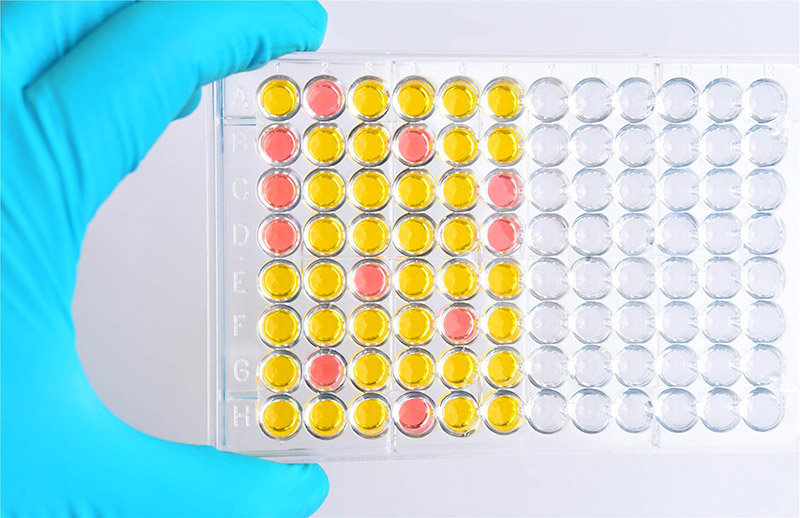 Figure1. Determination of Protein Concentration by 280nm Absorbance Method.
Detecting Proteins by Measuring Absorbance at 280 nm
1. One milliliter Quartz cuvettes are recommended. Some plastic cuvettes are now available where the plastic does not absorb light at 280 nm.
2. A UV spectrophotometer.
1. Set the UV spectrophotometer to read at 280 nm allowing 15 min for the instrument to equilibrate.
2. Set the absorbance reading to zero with a solution of the buffer and all components except the protein present. Alternately take a reading of solution without protein and subtract the value from each reading of solution containing protein.
3. Place the protein solution in the 1 mL cuvette and determine the absorbance. This step should be repeated to obtain duplicate readings. If a reading is obtained with an absorbance value greater than 2, then dilute the protein sample with the parent buffer and determine the absorbance value. An initial 1 in 10 dilution is suggested. The dilution and readings of samples should be performed in duplicate. It is advisable to use the same cuvette or matched cuvettes for samples and controls.
4. If the extinction coefficient of the protein is known, then the following equation can be employed. Absorbance = Extinction coefficient × concentration of protein × path length (1 cm) to determine the concentration of the protein.
1. The recommended calibration protein for protein determination is BSA due to its availability and common use. One should be aware that each protein contains unique amounts of each amino acid. For example, BSA (66.3kDa) in serum contains 2 tryptophan, 20 tyrosine, 23 arginine, and 60 lysine; mature ovalbumin (44.3kDa) contains 3 tryptophan, 10 tyrosine, 15 arginine, and 20 lysine amino acid residues. The two proteins will thus provide different standard curves in all the assays described above.
2. Advantages of using absorbance at 280 nm: The method (a) is fast, (b) easily automated, (c) reasonably sensitive, (d) does not destroy protein, and (e) can be automated, and (f) most proteins contain tryptophan and tyrosine residues.
3. Disadvantages of using the absorbance at 280 nm to detect proteins: (a) It should be noted that DNA and RNA have absorbance maxima at 260 nm, but still absorb at 280 nm and have tenfold higher absorbance values at 280 nm compared to the equivalent concentration of protein. Groves et al. developed an elegant method to correct for the presence of nucleic acid in a protein solution. A pure protein solution has a ratio of absorbance values (A280 / A260) of greater than 1.7 and pure nucleic acid of less than 0.5. (b) Cuvettes should be handled carefully as fingerprints on the cuvette will distort readings.
4. It is advisable to dissolve the protein standard in duplicate. If a protein standard is weighed or solubilized incorrectly in a single preparation, then all protein determinations will be inaccurate.
Reference
Loading ......
