
Inquiry Basket
 Loading ......
Aminoglycoside (AG) is a kind of antibiotics with amino sugar and amino cyclic alcohol structure. It is mainly used in clinical treatment of gram-negative bacteria, Pseudomonas aeruginosa and other infections. It was widely used from 1960s to 1970s.
The first aminoglycoside antibiotic in human history was streptomycin discovered in 1940. This structure was isolated from the secretion of Streptomyces and was mainly used in the treatment of tuberculosis, but it has a serious problem of drug resistance and can damage the eighth pair of brain nerves and cause deafness. In 1957, kanamycin was extracted from Streptomyces kanamycin and used in the treatment of gram-negative bacteria. To solve the problem of drug-resistant strains, structural modification was carried out based on kanamycin. New drugs such as amikacin and tobramycin were developed. In 1963, gentamicin was isolated from the fermentation broth of Micromonospora. It is a mixture of aminoglycosides, which has good resistance to gram-negative bacteria and relatively low toxicity. In the 1970s, new aminoglycoside antibiotics, such as neomycin and ribostamycin, were extracted from Streptomyces, and these new drugs, while not as highly active in antimicrobial activity as the previously discovered drugs, had greatly reduced side effects and were safer than the earlier aminoglycosides.
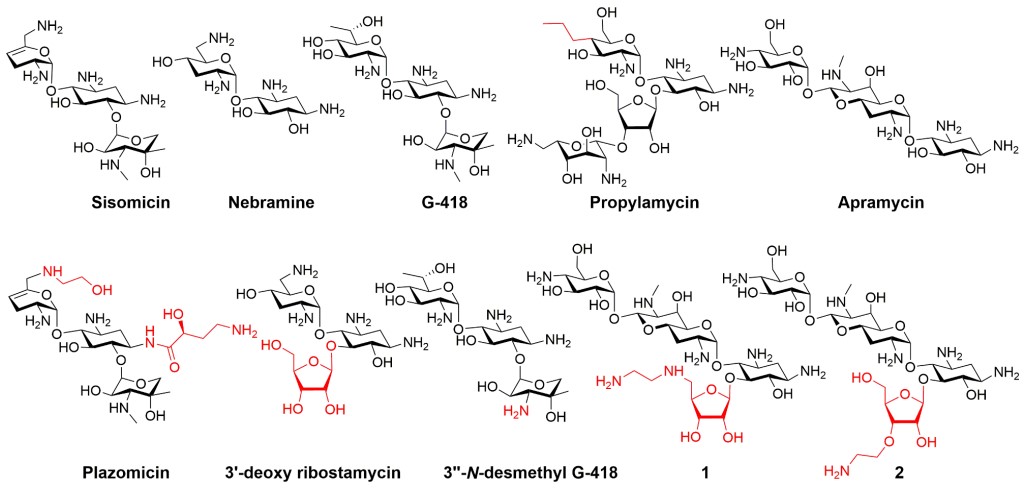 Figure 1. Structures of natural AGs and of semisynthetic analog
(Source: Jospe-Kaufman M, et al. 2020)
They are potent broad-spectrum antibiotics; unlike penicillin, they are effective against aerobic gram-negative pathogens, including Enterobacteriaceae and Pseudomonas spp. In addition, they have bactericidal potential, and synergistic bactericidal effect with other drugs (especially ampicillin and other beta lactams) is also significant. Aminoglycosides are also hypoallergenic, making them particularly suitable for emergency situations.
Aminoglycosides act as bactericides by interfering with bacterial protein synthesis. After entering the body, aminoglycosides enter the bacterial cell interior through hydrophilic channels on the surface of gram-negative bacteria and bind to the ribosomes responsible for protein synthesis.
Aminoglycosides inhibit bacterial protein synthesis by binding reversibly with high affinity to the 16S ribosomal RNA of the 30S ribosome. This interaction with rRNA causes codon misinterpretation, which leads to mistranslation of proteins, resulting in the production of polypeptides containing the wrong amino acids and damage to the bacterial cell membrane.
Bacterial resistance to aminoglycosides is a combination of three mechanisms, including transporter alterations, ribosomal alterations, and enzymatic modifications. Some gram-negative bacteria produce aminoglycoside blunting enzymes, which catalyze amino or hydroxyl acetylation, phosphorylation, or linkage to nucleic acids at specific sites of aminoglycosides, and this change inactivates the aminoglycoside. Structural modifications to aminoglycosides often revolve around these sites that are susceptible to passivation, reducing the reactivity of these sites.
 Figure 2. Mechanism of aminoglycoside activation, inactivation, and the provability of activity retention.
(Source: Ahmed S, et al. 2020)
The improved prognosis of patients is overshadowed by the frequent toxic side effects of AGs. The side effects of aminoglycosides act mainly on the kidneys (nephrotoxicity), vestibular and auditory organs (ototoxicity), and neuromuscular junctions.
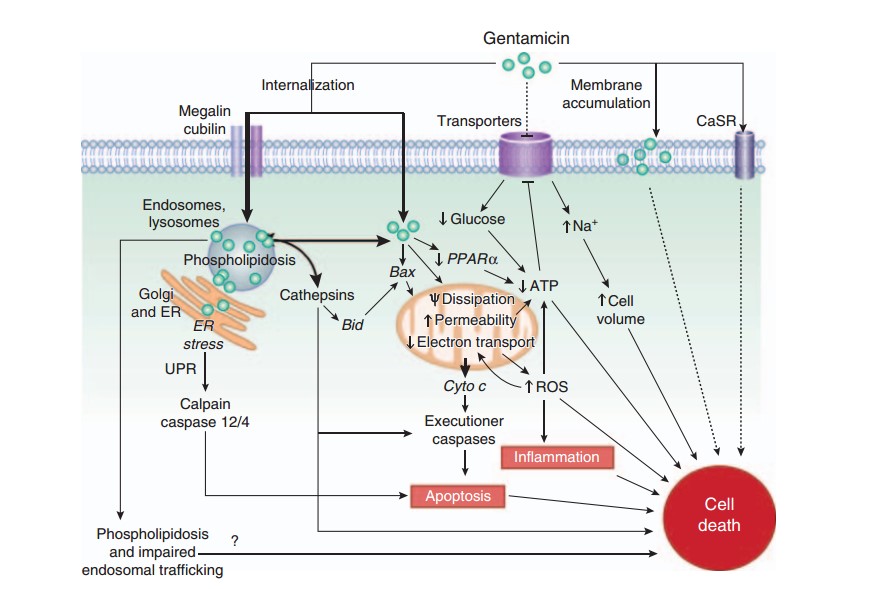 Figure 3. Mechanisms of cytotoxic effects of aminoglycosides and cell signaling pathways (example: gentamicin)
(Source: Lopez-Novoa JM, et al. 2011)
Aminoglycoside-induced ototoxicity manifests as irreversible high-frequency bilateral sensorineural hearing loss (cochlear toxicity) or any combination of vertigo, nausea, vomiting, nystagmus, and ataxia (vestibular toxicity). The potential severity of auditory and vestibular deficits depends on the particular aminoglycoside used. Neomycin is considered the most highly toxic; followed by gentamicin, kanamycin, and tobramycin; while amikacin and netilmicin are considered the least toxic.
The incidence of ototoxicity varies widely due to the influence of different definitional criteria such as subject population, treatment parameters, assessment methods and hearing impairment. In the treatment of acute infections lasting approximately 5-7 days, the most commonly used aminoglycosides may result in hearing loss in approximately 20% of patients and balance may be affected in approximately 15%. In contrast to nephrotoxicity, the onset of ototoxicity may be initially overlooked during clinical treatment, as it may not begin until after the end of drug therapy, with slow subsequent development.
Through animal studies researchers have found that the risk of ototoxicity in patients increases with dose concentration, frequency of administration, and duration of treatment. There are also factors of genetic susceptibility, and studies have reported that the mitochondrial DNA A1555G point mutation in the 12S ribosomal RNA gene is associated with increased susceptibility to non-syndromic deafness and aminoglycoside deafness.
 Figure 4. Schematic illustration of the inner ear
(Source: Jospe-Kaufman M, et al. 2020)
Adverse nephrotoxicity has been estimated to occur in up to 25% of all patients treated with aminoglycoside. AG generally exerts its nephrotoxic effects through three mechanisms: renal tubular toxicity, decreased glomerular filtration, and decreased renal blood flow.
Renal tubular toxicity is the primary mechanism by which aminoglycosides cause nephrotoxicity. In the proximal renal tubule, these substances undergo endocytosis and are concentrated in lysosomes, Golgi apparatus and endoplasmic reticulum. Once the threshold is reached, aminoglycosides are excreted into the cytoplasm and act on mitochondria to induce apoptosis and necrosis. In addition, they inhibit a number of transporters in the proximal renal tubule, thereby affecting tubular reabsorption and impairing cell viability. Symptoms in patients in the early stages of injury are characterized by increased urinary excretion of calcium, magnesium, protein, and other organic anions, sometimes leading to hypocalcemia, hypomagnesemia, and proteinuria, and, as the extent of the damage increases, increased excretion of potassium, sodium, and serum creatinine.
Patient-specific risk factors for the development of aminoglycoside-associated nephrotoxicity include older age, decreased baseline renal function, pregnancy, dehydration, decreased kidney mass, hypothyroidism, hepatic dysfunction, metabolic acidosis, and sodium deficiency. Drug-related risk factors include non-steroidal anti-inflammatory drugs, diuretics, amphotericin B, cisplatin, cyclosporine, iodine-containing contrast media, vancomycin, and cephalosporins. Limiting risk factors also reduces the likelihood of nephrotoxicity from aminoglycosides. A study evaluating the effect of individualized pharmacokinetic monitoring on the incidence of aminoglycoside nephrotoxicity demonstrated that the incidence of nephrotoxicity was significantly higher in patients who did not receive pharmacokinetic monitoring than in those who had their pharmacokinetic levels monitored. In addition, the study identified risk factors for the development of nephrotoxicity including initial concentration troughs, duration of treatment, concomitant administration of piperacillin, clindamycin, or vancomycin, age greater than 50 years, and pneumonia. Thankfully, nephrotoxicity is reversible and can be treated clinically with hydration therapy, so that once treatment with aminoglycosides is discontinued, patients can usually regain normal kidney function.
Aminoglycosides can cause sudden, severe, and potentially fatal episodes of weakness, and the risk of such reactions is significantly increased in patients with pre-existing neuromuscular disease. It binds to the calcium ion-binding site on the surface of the presynaptic membrane and prevent the release of acetylcholine, which is the transmitter that conducts nerve impulses between synapses, and inhibiting the release of this substance blocks the conduction of nerve impulses between nerves and muscles. Such adverse reactions can be severe enough to produce muscle paralysis or even apnea. Inhibition of synaptic transmission by aminoglycosides increases with repeated nerve stimulation in an animal model of myasthenia gravis. In addition, some studies have found that aminoglycosides activate Ca2+-sensing receptor at low concentrations and inhibit voltage-activated calcium channels at higher concentrations. The combination of the two effects can significantly weaken synaptic transmission and lead to myasthenia gravis caused by aminoglycosides.
Despite the toxic effects of aminoglycosides, the emergence of bacterial resistance to commonly used antibiotics has necessitated the use of aminoglycosides as a viable treatment option.
References
| Target | Cat. No. | Product Name | Size | Species | Application | Detection Sample | |
| Streptomycin | DEIA-XY2272 | Streptomycin ELISA Kit | 96T | N/A | Quantitative | Vaccine | Inquiry |
| DEIA020 | Streptomycin ELISA Kit | 96T | N/A | Quantitative | Vaccine, cell culture supernatant | Inquiry | |
| DEIA-WZ020 | High Sensitivity Streptomycin ELISA Test Kit | 96T | Quantitative | biological samples | Inquiry |
| Target | Cat. No. | Product Name | Host | Isotype | Application | |
| Streptomycin | DPAB-DC4776 | Anti-Streptomycin polyclonal antibody | Sheep | EIA | Inquiry | |
| DPABY-968 | Anti-Streptomycin polyclonal antibody | Sheep | ELISA, Pr* | Inquiry | ||
| DPATB-H82163 | Anti-Streptomycin polyclonal antibody | Sheep | IgG | cELISA | Inquiry | |
| HMABPY045 | RHA™ anti-Streptomycin monoclonal antibody, clone STR | Mouse | IgG | ELISA, LFIA | Inquiry |
| Target | Cat. No. | Product Name | Expression System | Tag/Conjugate | Application | |
| Dihydrostreptomycin | DISNJ46 | Dihydrostreptomycin Standard (98%) | N/A | N/A | ELISA | Inquiry |
| Streptomycin | DISNJ11 | Streptomycin Standard (95%) | N/A | N/A | ELISA | Inquiry |
| DAGA-188B | Dihydrostreptomycin [BSA] | N/A | BSA | LFIA | Inquiry | |
| DAGA-188H | Dihydrostreptomycin [HRP] | N/A | HRP | ELISA | Inquiry | |
| DAGA-188K | Dihydrostreptomycin [KLH] | N/A | KLH | Immunogen | Inquiry | |
| DAG4472O | Streptomycin [OVA] | N/A | OVA | N/A | Inquiry | |
| DAG170S | Streptomycin [HSA] | N/A | HSA | ELISA | Inquiry | |
| DAG478S | Streptomycin [HSA-Biotin] | N/A | HSA-Biotin | ELISA | Inquiry | |
| DAG1293 | Streptomycin [HRP] | N/A | HRP | N/A | Inquiry | |
| DAG4472 | Streptomycin [BSA] | N/A | BSA | N/A | Inquiry | |
| DAG4488 | Streptomycin [KLH] | N/A | KLH | N/A | Inquiry |
| Target | Cat. No. | Product Name | Size | Species | Application | Detection Sample | |
| Kanamycin | DEIAH-004H | Kanamycin ELISA Kit | 96T | Quantitative | Milk, milk powder, chicken, pork | Inquiry | |
| DEIA048 | Kanamycin ELISA Kit | 96T | N/A | Quantitative | Biological samples | Inquiry | |
| DEIA-WZ048V | High Sensitivity Kanamycin ELISA Test Kit | 96T | Quantitative | Biological samples | Inquiry | ||
| DEIA048V | Kanamycin ELISA Kit | 96T | Quantitative | Vaccine | Inquiry | ||
| DEIA-004H | Kanamycin ELISA Kit | 96T | N/A | Quantitative, qualitative | Tissue, milk | Inquiry | |
| DTS761 | Kanamycin Residue Rapid Test(milk) | 96T | N/A | Qualitative | Milk | Inquiry |
| Target | Cat. No. | Product Name | Host | Isotype | Application | |
| Kanamycin | DPAB-DC4461 | Anti-Kanamycin polyclonal antibody | Sheep | EIA | Inquiry | |
| Kanamycin Receptor | DPABY-883 | Anti-Kanamycin polyclonal antibody | Sheep | ELISA, Pr* | Inquiry | |
| HMABPY044 | RHA™ anti-Kanamycin Monoclonal antibody, clone KAN | Mouse | IgG | ELISA, LFIA | Inquiry | |
| DPATB-H81755 | Anti- Receptor Polyclonal antibody | Rabbit | IgG | WB, ELISA | Inquiry |
| Target | Cat. No. | Product Name | Expression System | Tag/Conjugate | Application | |
| Kanamycin Receptor | DISNJ15 | Kanamycin Sulfate Standard | N/A | N/A | ELISA | Inquiry |
| DAGA-040B | Kanamycin [BSA] | N/A | BSA | LFIA | Inquiry | |
| DAGA-044K | Kanamycin [KLH] | N/A | KLH | Immunogen | Inquiry | |
| DAG227S | Kanamycin [HSA] | N/A | HSA | ELISA | Inquiry | |
| DAG515S | Kanamycin [HSA-Biotin] | N/A | HSA-Biotin | ELISA | Inquiry | |
| DAG1208 | Kanamycin [HRP] | N/A | HRP | N/A | Inquiry |
| Target | Cat. No. | Product Name | Size | Species | Application | Detection Sample | |
| Amikacin | DEIABL-QB22 | Amikacin ELISA Kit | 96T | N/A | Quantitive | Tissue; Honey; Liquid Milk; Vaccine | Inquiry |
| Target | Cat. No. | Product Name | Host | Isotype | Application | |
| Amikacin | DPABY-792 | Anti-Amikacin polyclonal antibody | Sheep | ELISA, Pr* | Inquiry | |
| DPABH-29431 | Anti-Amikacin polyclonal antibody | Sheep | IgG | ELISA, cELISA | Inquiry | |
| DCABY-630 | Anti-Amikacin monoclonal antibody, clone BN2 | Mouse | IgG1 | IA | Inquiry | |
| CABT-L2530 | Mouse Anti-Amikacin monoclonal antibody, clone AMK | Mouse | IgG | ELISA, LFIA | Inquiry |
| Target | Cat. No. | Product Name | Expression System | Tag/Conjugate | Application | |
| Amikacin | DAG-P2530O | Amikacin [OVA] | N/A | OVA | ELISA, LFIA | Inquiry |
| DAG-P2530 | Amikacin [BSA] | N/A | BSA | ELISA | Inquiry | |
| DAG1018 | Amikacin [HRP] | N/A | HRP | N/A | Inquiry |
| Target | Cat. No. | Product Name | Host | Isotype | Application | |
| Tobramycin | DPABY-999 | Anti-Tobramycin polyclonal antibody | Sheep | ELISA, Pr* | Inquiry | |
| DPAB-DC4828 | Anti-Tobramycin polyclonal antibody | Sheep | EIA | Inquiry | ||
| DPATB-H82199 | Anti-Tobramycin polyclonal antibody | Goat | IgG | ELISA | Inquiry | |
| DMAB4404 | Anti-Tobramycin monoclonal antibody, clone A128-10053 | Mouse | IgG1 | WB, ELISA | Inquiry |
| Target | Cat. No. | Product Name | Expression System | Tag/Conjugate | Application | |
| Tobramycin | DAGA-213K | Tobramycin [KLH] | N/A | KLH | Immunogen | Inquiry |
| DAG3141O | Tobramycin [OVA] | N/A | OVA | ELISA | Inquiry | |
| DAG158S | Tobramycin [HSA] | N/A | HSA | ELISA | Inquiry | |
| DAG469S | Tobramycin [HSA-Biotin] | N/A | HSA-Biotin | ELISA | Inquiry | |
| DAG1317 | Tobramycin [HRP] | N/A | HRP | N/A | Inquiry | |
| DAG3141 | Tobramycin [BSA] | N/A | BSA | N/A | Inquiry |
Loading ......
