





Inquiry Basket
 Loading ......
Antibodies are a specific protein molecule involved in immune reactions that are made and released primarily by plasma cells (effector B cells) on exposure to antigen. That is, antibodies will stick to antigens and have every biological role from anti-microbial, cytotoxic to phagocytic. Antibodies also widely used in studies (immunohistochemistry, flow cytometry, ELISA etc.). These kinds of technologies are based on antibodies’ sensitivity and specificity to recognize and detect a protein. Not only is antibody-production and purification a science issue, it’s also a biopharma manufacturing issue. Once the technology and purification steps are perfected, the purity and efficacy of antibody production can be perfected, and then it can go mainstream to diagnose and treat disease.
This antibody can be generated in various ways, but the main ones are natural immunity, hybridoma and recombinant DNA.

B cells are natural immunity’s main producers of antibodies. B cells convert into plasma cells when they are exposed to an antigen, and release antibodies that can attach themselves to the antigen and confer immunity.

Hybridoma technology is a technique to manufacture monoclonal antibodies in the mass. This was built by Milstein and Kohler in 1975. If we mutate B cells with myeloma cells to make hybridoma cells, those cells will keep reproducing, and they’ll keep making antibodies themselves.

Recombinant DNA technology, the gene for antibodies are transferred to expression vectors and injected into the host cell (CHO cells) to be expressed as antibodies.
The antibody manufacturing process can be distilled into the following primary steps:

1Animal vaccination: Choose the right immune animals (mice, rats, rabbits, etc.) and prick with antigens to activate the immune system. The whole idea of vaccination is that the body builds antibodies against those antigens.
2 Cell fusion: Collect spleen cells from immune animals (mice), B lymphocytes with the ability to make certain antibodies. These spleen cells are merged with myeloma cells (a cancer cell type) to produce hybridoma cells. Chemical stimulators (like polyethylene glycol PEG) are generally employed in cell-to-cell binding in cell fusion.
3 Screening and cloning of fused hybridoma cells that have achieved success is done in selective culture media (HAT culture media, etc.). They can grow unlimitedly and secrete antibodies of their own. Then individual hybridoma cell lines are cloned (limiting dilution method) to make each cell release only one particular antibody.
4 Culturing the cells: Specified hybridoma cell lines are grown large-scale, usually in serum-free culture medium. The culture requires testing the antibody release periodically, and passing the cells to keep them moving.
5 Expression and release of antibodies: Hybridoma cells will still release antibodies in the culture system and they can be obtained from culture fluid or ascites derived from the mouse peritoneum. At last, the antigen-specific monoclonal antibody is isolated and purified by purification methods (eg affinity chromatography).
Antibody Manufactur ProcessFor biopharmaceuticals and research, antibody purification is a critical phase. It is used to purify and make antibodies purer and more specific. These are principals of antibody purification, and they depend on a difference in physical (molecular weight, charge, hydrophobicity) and biological (binding specificity of antigen).


2. Variation in biological function: Depending on the specific affinity of the binding between antigen and antibody (affinity chromatography). This can be a convenient way to purify target antibodies.
01
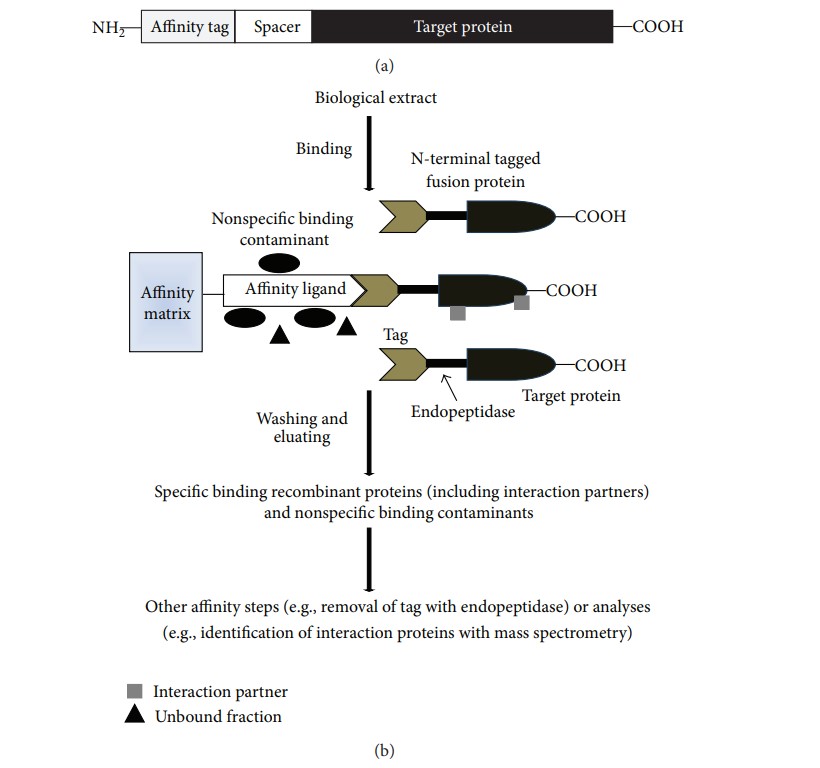
Protein A/G affinity chromatography: Utilize protein A or protein G binding site to IgG Fc segment and common for human and mouse antibodies purification. Protein A affinity chromatography had the bonus of high purity and high recovery.
Antigen affinity chromatography: Depending on antigen and antibody binding it is purified specific antigens.
IMAC Immobilized metal chelate affinity chromatography: Adds metal ions to the antibody’s histidine tag for recombinant antibody purification.
02
Separates by separating proteins using differences in surface charge, typically to enhance antibody refinement.
03
Separates proteins by size, commonly employed for purging small molecule debris.
04
Makes use of the difference between the hydrophobicity of proteins for separation, and can be used to remove unspecifically bound impurities.
05
Salting out: Proteins are precipitated by brining them with concentrated salts, ideal for separation first.
Dialysis and ultrafiltration: for removal of small molecule contaminants and concentration adjustments of solution.
Voici the procedure of antibody purification:

Sample pretreatment typically consists of centrifugation and filtration to get rid of impurities from the sample. When purifying antibodies from immune serum, for instance, antiserum has to be diluted and centrifuged to extract insoluble matter. Also, ammonium sulfate fractionation precipitation can also be applied for a pre-extraction of antibodies to remove the majority of impurities.

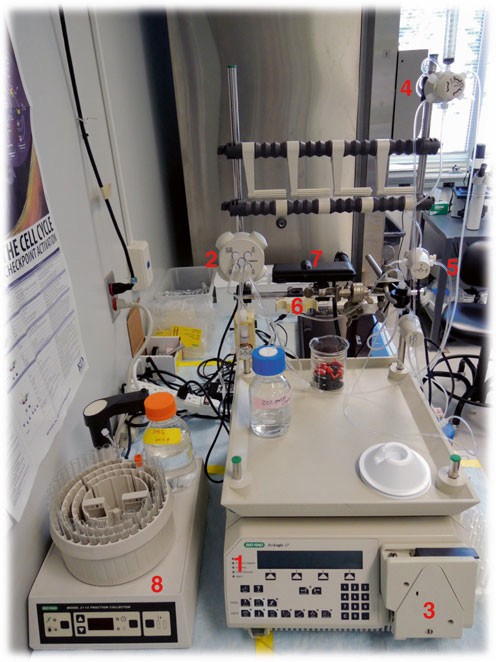
In order to bind the target protein to the column, the chromatography column should be preloaded with the proper buffer. For instance, mix PD-10 column with PBS/glycerol, or Protein A column with Protein A IgG binding buffer.

Place the pretreated solution on the column. Put the dilute immune serum, for instance, on the Protein A column, or pour the ascites sample onto the affinity chromatography column.

Expel the target protein from the chromatography column by an elution buffer. Glycine elution buffer, for instance, to elute the antibody on the PD-10 column, or IgG elution buffer to elute the antibody on the Protein A column.

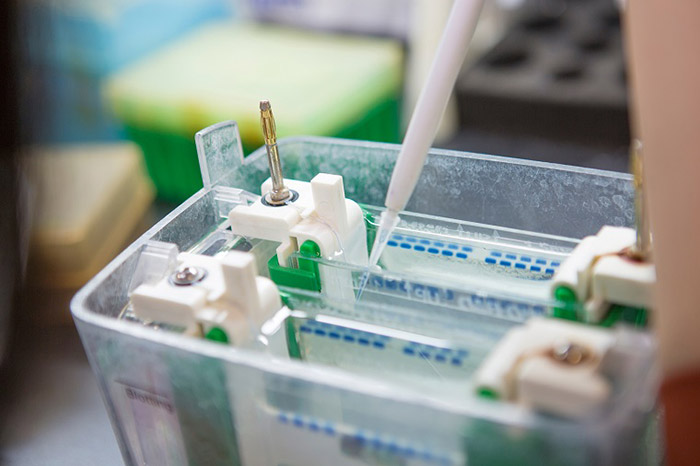
Pureness of the eluted antibody has to be verified. Standard detection methods are SDS-PAGE electrophoresis, high performance liquid chromatography (HPLC), Bradford method, etc. These can be used to test the purity and amount of the antibody.
Antibody purification is a dynamic process and it depends on many variables. Below is a breakdown of possible influencers of the antibody purification process:
| Category | Aspect | Description |
| Antibody Properties | Kind of Antibody | Different antibodies (IgG, IgM, etc.) have varying atom sizes and compositions, which affect the purification protocol. IgG typically uses affinity chromatography, while IgM may use ion exchange or gel filtration. |
| Antibody Concentration | Determines the purification process. Less concentrated antibodies may need to be concentrated first before purification. | |
| Stability of Antibody | Stability influences activity and purity. Some antibodies may become insoluble in acid and must be removed immediately after elution. | |
| Selection of Purification Method | Type of Antibody | Different antibodies require specific purification methods. IgG typically uses Protein G or Protein A affinity chromatography, while IgM requires ion exchange or gel filtration. |
| Type of Impurity | The type and purity of impurities guide the purification method, with specific chromatographic methods needed to remove contaminants. | |
| Purity Requirements | Applications have varying purity needs. Diagnostic procedures, for example, require purer antibodies to ensure specificity. | |
| Buffer Conditions | pH | pH of the buffer plays a critical role in stabilizing and activating the antibody. Some antibodies may be corroded in acidic conditions and need to be removed immediately after elution. |
| Ionic Strength | Ionic strength affects the antibody's affinity for the stationary phase. High ionic strength can influence affinity chromatography. | |
| Salt Type | Different salts affect solubility and stability. For example, ammonium sulfate is commonly used to precipitate non-immunoglobulins. | |
| Column Types | Stationary Phase Material | The material used in the stationary phase varies by antibody. Protein G works for IgG, while Protein A is suitable for most immunoglobulins. |
| Size of Pore | Pore size affects the passage rate of antibody molecules and the purification capacity. Larger pores are suitable for large molecule antibodies. | |
| Filler Volume | The filler volume determines the column's capacity and processing power. A higher volume of filler allows more samples to be processed. |
Purity of antibodies as determined by SDS-PAGE, Western blot, HPLC and mass spectrometry. You can read a fuller overview of these methods here:
SDS-PAGE
SDS-PAGE is the widely used protein chromatography, it separates proteins by molecular weight with polyacrylamide gel electrophoresis and purifies proteins with staining or immunostaining. Purity of antibody anti-apolipoprotein apoB chicken egg yolk (purity 90%) by SDS-PAGE detection can be to the purity reached 90%. Besides, SDS-PAGE also considers the purity test of recombinant proteins, such as human F1F0-ATP synthase subunit, purity of purified product was 98.3% SDS-PAGE detected purity was 98.3%.
Western blot
Western blot analysis of specific proteins to measure their expression and purity by adding proteins to a membrane and screening them against the antibodies. For anti-genital herpes virus IgY, for example, antibodies’ identity and purity were established by Western blot. Then it is evaluated via Western blot also how specific antibodies are for example anti-apolipoprotein apoB is highly specific by Western blot.
Western blot
HPLC: HPLC is a method to extract and purify complex mixtures (mostly protein pure). In monoclonal antibodies for the antigen poliovirus type I D, for instance, the antigen purity measured by HPLC was 99%. Also HPLC can measure the purity of recombinant proteins, in this case for recombinant human lysozyme HPLC analysis indicated purity 98.8%.
MS
Mass spectrometry is used to identify and measure proteins, often the molecular weight and structure of proteins are measured by this technique. When the endothelin 1 was examined, for instance, the relative molecular mass of fusion proteins was determined by mass spectrometry.
SDS-PAGE, Western blot, HPLC, mass spectrometry are the standard approaches to antibody purity detection, with different characteristics and range of applications. SDS-PAGE is good for first separation and purity detection; Western blot is good to confirm the specificity and expression of antibodies; HPLC is good for purity determination at a high level; and mass spectrometry is great for precise protein identification and structure determination.
There are multiple expression systems in most common antibodies, such as:
If you want antibodies to be purer and more yieldful, the following can be done:
During antibody purification, the following factors are to be considered:
Technology can scale up antibody production to a much larger scale:
Loading ......
