

Inquiry Basket
 Loading ......
Ethylene oxide polymerization produces Polyethylene glycol (PEG) which functions as a crucial element in modern medicine alongside cosmetic and industrial applications. The properties of PEG including its excellent water solubility and low toxicity level make it indispensable in drug formulation and vaccine delivery as well as biomaterial engineering applications. The growing number of PEG-based applications requires researchers, clinicians, and patients to learn about its interactions with the immune system. This research investigates PEG's role in triggering immune responses while tracing its metabolic pathways to determine its safety and therapeutic effectiveness in practical medical applications.
PEG has long received praise for its capability to avoid detection by the immune system. The hydrophilic properties of PEG create a protective "stealth" layer on nanoparticles and conjugated drugs which helps them avoid detection by the immune system and extends their time in circulation. However, recent studies reveal a paradoxical reality: Under certain circumstances PEG triggers immune reactions. The immune system's response to PEG depends on several factors such as molecular weight along with structural configuration and previous exposure to the substance.
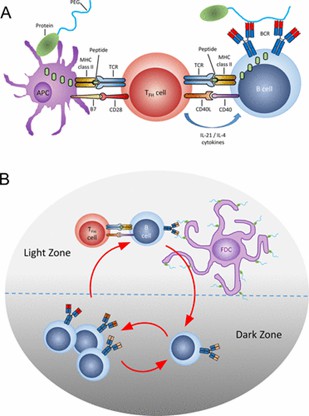 Figure 1. Thymus-dependent immune response against PEG. (Sources: Chen BM, et al. 2021)
PEG molecules with molecular weights below 20 kDa have a higher tendency to initiate immune responses. Terminal hydroxyl groups from smaller PEG chains can become targets for immune system recognition because they present as foreign entities. High-molecular-weight PEG (>20 kDa) generally shows reduced immunogenicity because its extended structure restricts interactions with immune receptors. Patients with pre-existing anti-PEG antibodies experience reduced effectiveness of PEGylated enzymes like pegaspargase which is used to treat leukemia due to accelerated blood clearance (ABC). The immune system's recognition patterns expose a careful equilibrium between molecular size and evasion capabilities.
Structural diversity further modulates immune outcomes. Linear PEG, commonly used in drug conjugation, exposes more surface area to immune cells, increasing the likelihood of antibody binding. Branched or "comb-shaped" PEG architectures, on the other hand, create dense, brush-like coatings that sterically hinder antibody access. Such designs are pivotal in next-generation nanomedicines, where minimizing immune recognition is paramount.
Exposure to cosmetics, processed foods or environmental sources likely causes 25–42% of the population to develop pre-existing anti-PEG antibodies. Pre-existing anti-PEG antibodies can cause hypersensitivity reactions which manifested in rare anaphylactic cases after receiving COVID-19 mRNA vaccines that contain PEG in their lipid nanoparticles. The occurrence of such incidents demonstrates why individual risk assessment is essential for PEG-based therapies.
The molecular weight of PEG determines its metabolic pathway. Low molecular weight PEG variants with molecular weights under 400 Da experience enzymatic oxidation through alcohol dehydrogenase and cytochrome P450 which results in diacids and hydroxy acids as metabolites. The fast elimination of these metabolites decreases toxicity risk but their excessive buildup causes renal impairment or metabolic acidosis. High-molecular-weight PEG (>6,000 Da) exits the body unchanged through kidney filtration which creates little metabolic load yet increases long-term bioaccumulation risks for patients with kidney problems.
PEG's stability is environment-dependent. The acidic conditions within tumors cause pH-responsive PEG derivatives to break down quickly which enables the targeted delivery of encapsulated chemotherapy drugs directly to cancerous areas. Unplanned breakdown of materials in inflammatory tissues can worsen immune response through the revelation of previously hidden epitopes. The dual nature of PEG degradation profiles demonstrates why it's essential to customize its physicochemical properties for particular medical applications.The interplay between PEG and immunity has profound clinical ramifications.
1. Vaccine Development
The genetic material in mRNA vaccines receives protection through PEGylated lipid nanoparticles during the delivery process. Rare allergic reactions caused by anti-PEG antibodies have led regulatory authorities to advise PEG sensitivity screening for those at high risk.
2. Cancer Therapeutics
Patients who have elevated anti-PEG antibody titers experience diminished effectiveness from PEGylated medications such as pegfilgrastim (a granulocyte colony-stimulating factor). Researchers are investigating intermittent dosing and alternative polymers such as polysarcosine to decrease the issue.
3. Chronic Therapies
The continuous application of PEGylated biologics can lead to drug resistance through antibody production. Treatment sustainability may benefit from the continuous monitoring of anti-PEG antibody levels alongside the use of immunomodulatory adjuvants.
Researchers are redesigning PEG to solve issues with immunogenicity.
PEG evolved from a basic excipient to a crucial therapeutic element through a series of successes and obstacles. PEG stands out for its unmatched ability to stabilize drugs and improve targeting yet researchers must carefully address its newly discovered immunogenic risks. The scientific community can unlock PEG's full potential and guarantee patient safety through structural innovations and predictive biomarkers (such as anti-PEG antibody assays) coupled with personalized dosing regimens. PEG's future impact on medicine depends on achieving a delicate balance between remaining invisible to immune defenses and maintaining visible therapeutic effects where chemistry meets immunology and clinical expertise.
While PEG is widely used for its ability to evade immune detection, its immunogenicity hinges on molecular weight, structure, and prior exposure. Low-molecular-weight PEG (<20 kDa) exposes terminal hydroxyl groups that can be recognized by immune cells, leading to anti-PEG antibody production. Pre-existing antibodies, found in 25–42% of the population due to environmental exposure (e.g., cosmetics or processed foods), amplify this risk. For example, in COVID-19 mRNA vaccines, PEGylated lipid nanoparticles triggered rare anaphylaxis in sensitized individuals. Structural factors also matter: linear PEG is more immunogenic than branched variants, which create dense coatings that hinder antibody binding.
Key Insight: PEG's "stealth" property is conditional. Optimizing molecular weight (e.g., >40 kDa for reduced immunogenicity) and adopting branched architectures can mitigate risks.
Anti-PEG antibodies activate two detrimental pathways:
Accelerated Blood Clearance (ABC): Macrophages take up PEGylated drugs faster when antibodies opsonize them which leads to reduced drug half-life. Leukemia patients who receive PEG-asparaginase experience up to a 70% reduction in drug exposure because of ABC which affects treatment effectiveness.
Complement Activation: The formation of antibody-PEG complexes leads to anaphylaxis through the release of complement components C3a and C5a in severe cases. The presence of PEG-specific IgE antibodies demonstrates a relationship with hypersensitivity reactions in mRNA vaccine recipients according to scientific research.
Yes, but with caveats. High-MW PEGs (>20 kDa) are less immunogenic and predominantly excreted renally, minimizing metabolic toxicity. However, they pose bioaccumulation risks in renal-impaired patients. Low-MW PEGs (<400 Da) are metabolized into acidic byproducts (e.g., oxalic acid), which may cause renal tubular acidosis at high doses. Notably, PEG 3350 (used in laxatives) shows minimal systemic absorption, making it safer for chronic use.
Emerging polymers aim to overcome PEG's limitations:
Poly(2-oxazoline): Mimics PEG's stealth properties with lower immunogenicity; phase I trials show promise in nanoparticle formulations.
Zwitterionic Polymers: Charge-neutral materials (e.g., polycarboxybetaine) resist protein adsorption and immune recognition.
Polysarcosine: Biodegradable and non-immunogenic, ideal for repeated dosing.
Peptide-Polymer Hybrids: Customizable structures that evade pre-existing antibodies.
Challenge: Most alternatives lack PEG's 50-year safety database, slowing regulatory adoption.
Not entirely, but it can be minimized:
Terminal Group Modification: Replacing hydroxyl with methoxy (-OCH₃) groups reduces antibody binding.
PEG-Density Optimization: Dense PEG "brushes" on nanoparticles (e.g., 5,000 PEG chains per liposome) block immune recognition.
Stimuli-Responsive PEGs: pH- or enzyme-cleavable PEGs shed their coating in target tissues, limiting systemic exposure.
Combination Therapies: Co-administering immunosuppressants (e.g., rapamycin) blunts antibody responses.
Future Trend: "Immunosilent" PEG derivatives with biodegradable backbones or immune-checkpoint targeting moieties are under preclinical evaluation.
References
| Target | Cat. No. | Product Name | Host | Application | |
| PEG | DMABT-Z59900 | Rabbit Anti-Human PEG (methoxy group) monoclonal antibody, clone SN206 | Rabbit | ELISA, IHC, WB | Inquiry |
| Polyethylene Glycol (PEG) | CABT-L2307 | Mouse Anti-Polyethylene Glycol (PEG) Monoclonal antibody, clone H12347N | Mouse | ELISA | Inquiry |
| PEG10 | DPATB-H81886 | Anti-PEG10 polyclonal antibody | Rabbit | WB, ELISA | Inquiry |
| Target | Cat. No. | Product Name | Type | Host | Conjugate | Application | |
| Peg12 / Frat3 (mouse) | CDBP2245 | Mouse PEG12 blocking peptide | Synthetic | N/A | Unconjugated | Apuri, BL, ELISA | Inquiry |
| Target | Cat. No. | Product Name | Size | Species Reactivity | Application | |
| Anti-PEG IgM | DEIA6160 | Mouse anti-PEG IgM ELISA Kit | 96T | Mouse | Quantitative | Inquiry |
| PEG | DEIASL085 | Rat anti-PEG IgG ELISA Kit | 96T | Rat | Quantitative | Inquiry |
| PEG | DEIASL086 | Rat anti-PEG IgM ELISA Kit | 96T | Rat | Quantitative | Inquiry |
| PEG | DEIASL087 | Monkey Anti-PEG IgG ELISA | 96T | Monkey | Quantitative | Inquiry |
| PEG | DEIASL088 | Monkey anti-PEG IgM ELISA Kit | 96T | Monkey | Quantitative | Inquiry |
| PEG | DEIASL243 | Human Anti-PEG lgG ELISA Kit | 96T | Human | Quantitative | Inquiry |
| PEG | DEIASL244 | Human Anti-PEG lgM ELISA Kit | 96T | Human | Quantitative | Inquiry |
| PEG | DEIA6159 | Mouse Anti-PEG IgG ELISA Kit | 96T | Mouse | Quantitative and qualitative | Inquiry |
| PEG | DEIA6158 | High Sensitivity Polyethylene Glycol (PEG) ELISA Kit | 96T | N/A | Quantitative | Inquiry |
| PEG | DEIA-NS2408-1 | Monkey anti-PEG(Polyethylene glycol) IgM ELISA Kit | 96T | Monkey | Quantitative | Inquiry |
| PEG | DEIABL237 | Polyetheylene Glycol ELISA Kit | 2 x 96T | human | Quantitative | Inquiry |
Loading ......
