
Inquiry Basket
 Loading ......
Zonulin is a novel protein discovered in 2000 during a study of Vibrio cholerae, when researchers hypothesized that the mechanism by which Vibrio cholerae secretes zonula occludens toxin (Zot) to regulate intestinal permeability in humans mimicked some kind of regulatory process in the body, and experimentally identified zonulin, which induces tight junction (TJ) disassembly in non-human primate intestinal epithelia mounted in Ussing chambers.
By analyzing human serum proteomics, zonulin was identified as pre-haptoglobin (HP) 2, previously considered only as an inactive precursor of HP2. Mature human HPs are heterodimeric plasma glycoproteins composed of α- and β-polypeptide chains that are covalently bound by disulfide bonds, where only the chains are glycosylated. When the chain (36 KDa) is unchanged, the α-chain exists in two forms, α1 (9 KDa) and α2 (18 KDa). The presence of one or both of these α chains results in three human Hp phenotypes, i.e., HP1-1 homozygote, HP2-1 heterozygote and HP2-2 homozygote.
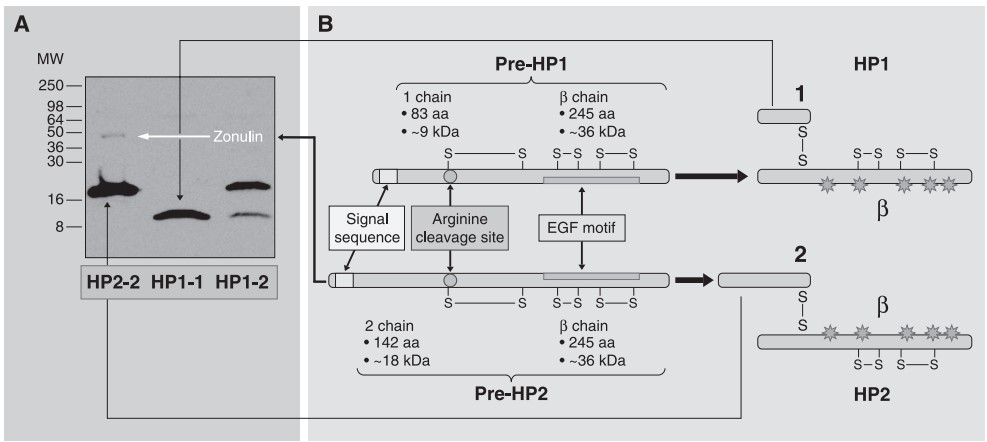 Figure 1. Schematic structure of pre-HP1, pre-HP2 and their mature proteins
(Source: Fasano A, et al. 2011)
Analysis of the available genome sequences identified genes in bony fish that encode a protein similar to mammalian HP. There are three genes in the HP family in chimpanzees, whereas in humans only two genes are localized on chromosome 16, and it has been found that there is a high mutation rate in this region of chromosome 16. Two of the human gene clusters were formed through an unequal homologous crossover after the separation of human and chimpanzee lineages, and the third chimpanzee gene cluster has evolved to show recombinations, insertions and deletions. The researchers also observed that the α2 chain gene (zonulin) is found only in humans and originated in an Indian chromosomal abnormality (α-1F/α-1S heterozygote) after the separation of humans and chimpanzees. Phylogenetic analyses indicate that HPs evolved from complement-associated proteins, with the α-chain containing the complement control protein (CCP), a structural domain that activates complement, and the β-chain associated with chymotrypsin-like serine proteases (SP structural domains). Zonulin and serine proteases are homologous proteins with different biological functions, they share 19% amino acid homology, and the β-chain sequence of zonulin agrees well with the chain sequences of several serine proteases, but the active-site residues of typical serine proteases (histidine-57 and serine-195) in zonulin are replaced by lysine and alanine.
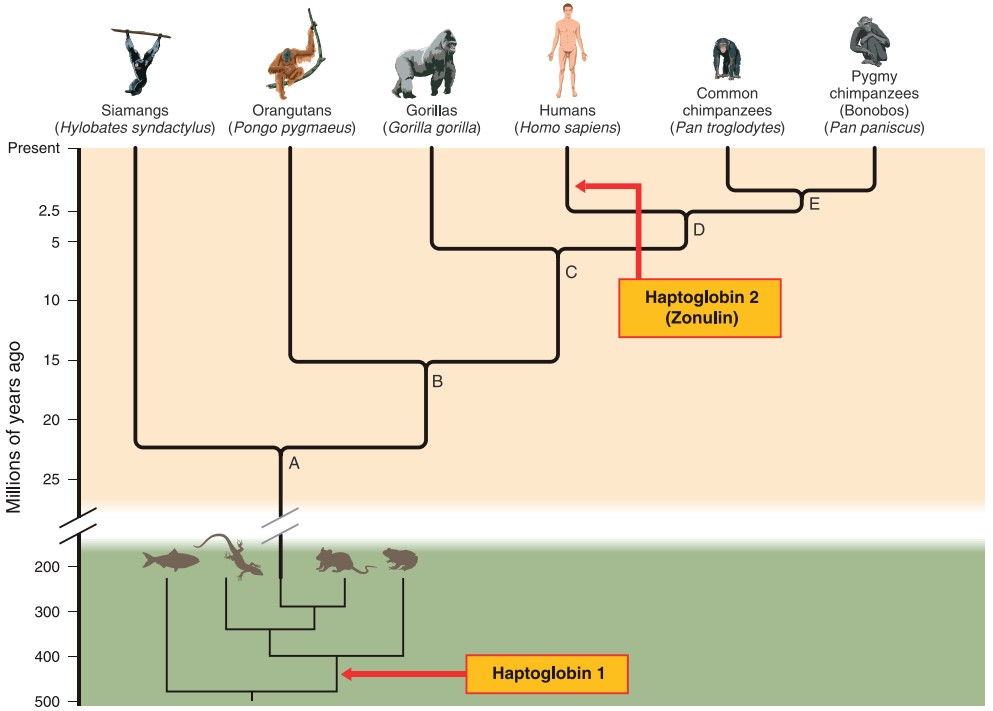 Figure 2. Evolutionary tree of HP gene
(Source: Fasano A, et al. 2011)
The signaling pathway triggered by zonulin leading to tight junction disassembly is similar to that of Zot. Sequence and structural analyses revealed that zonulin has an epidermal growth factor (EGF)-like motif, and in vitro studies revealed that zonulin induced EGFR phosphorylation and a subsequent increase in permeability, a process that could be blocked by EGFR inhibitors. In addition, the activation of EGFR depends on PAR2. The β chain of zonulin contains a sequence similar to PAR2 activating peptide (FCAGMS), which is very similar to PAR2 Zot activating peptide AT1002 (FCIGRL). AT1002 (FCIGRL) is structurally similar to PAR2 activating peptide retention motif (SLIGRL). Only when PAR2 is expressed in target cells can it be translocated from the cell junction through zonula occluding (ZO) -1 and occludin, resulting in increased permeability. Displacement of ZO-1 and occludin is secondary to PCKa-dependent phosphorylation of ZO-1, which leads to attenuated tight junction protein-protein interactions, and reduction of myosin-1C, which together with cytoskeletal rearrangement temporarily removes ZO-1 and occludin from the junction complex. Although ZO-1 displacement by itself is not sufficient to cause barrier defects, in combination with other intracellular signaling events affecting the TJ, including occludin displacement, actin polymerization, and myosin-1C phosphorylation, it may contribute to a deeper rearrangement of the junctional complexes, ultimately leading to transient TJ disassembly.
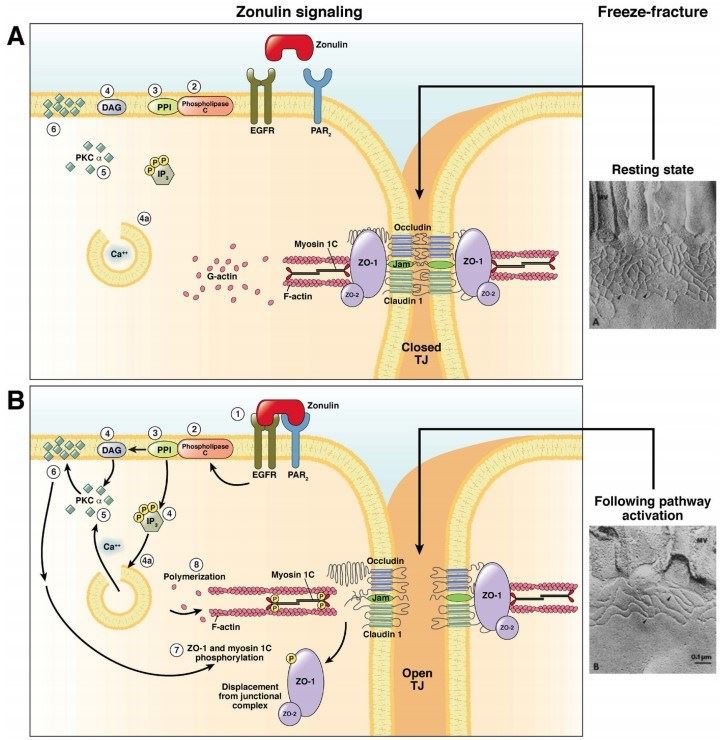 Figure 3. Representation of the mechanism of action of zonulin
(Source: Wood Heickman LK, et al. 2020)
Dysregulation of the tightly connected barrier permits the passage of large numbers of antigenic molecules or microorganisms through the paracellular pathway. Some researchers have suggested that excessive release of zonulin leads to reduced intestinal barrier integrity. In physiological states, the opening of tight junctions is transient and tightly regulated, whereas in pathological states, excessive zonulin release prolongs the opening of tight junctions leading to the passage of more antigens through the intestinal barrier, which may lead to inappropriate activation of inflammation and innate immunity, which can result in disruption of tolerance to aberrant self-antigens and ultimately autoimmunity in genetically susceptible individuals.
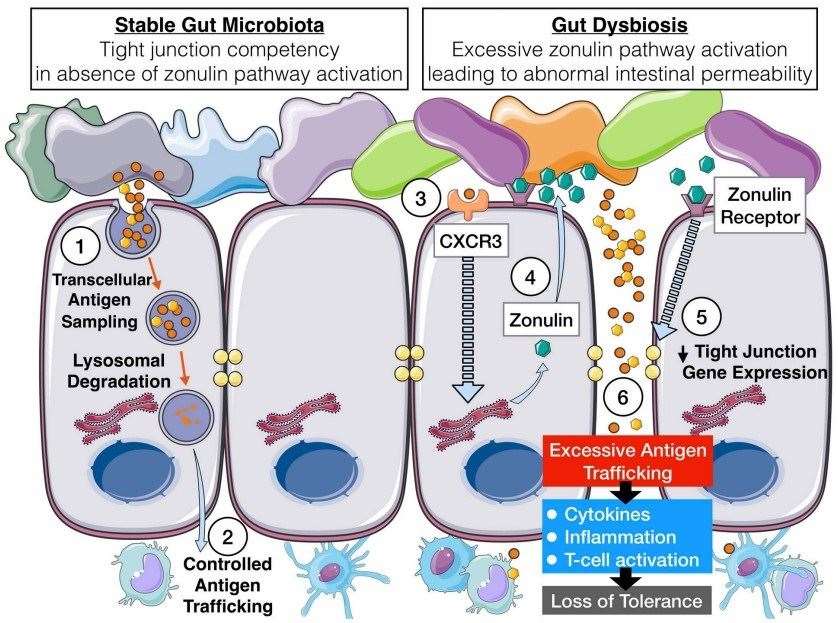 Figure 4. The proposed mechanism by which unregulated zonulin can lead to inappropriately increased intestinal permeability and resultant loss of immune tolerance
(Source: Wood Heickman LK, et al. 2020)
Bacteria and gluten are two more powerful factors that can induce zonulin release. Intestinal infections can lead to damage to the intestinal barrier and have been implicated in the pathogenesis of a variety of conditions, including allergic, autoimmune, and inflammatory diseases. Bacteria-exposed small intestine secretes zonulin, a process that is independent of animal type or microbial virulence and occurs on the luminal side of bacteria-exposed small intestinal mucosa, which leads to detachment of ZO-1 from the tight junction complex, along with increased intestinal permeability. This zonulin-induced opening of the paracellular pathway may be a biological defense mechanism that flushes out microorganisms in time to promote the host's innate immune response and prevent exogenous bacteria from colonizing the small intestine.
In addition to bacterial exposure, gliadin has been shown to affect intestinal barrier function by releasing zonulin, but only administration on the luminal side of the intestinal tract increases intestinal permeability. The chemokine receptor CXCR3 has been shown to be a target intestinal receptor for gliadin, and the combination of the two is critical for zonulin release and increased intestinal permeability.
Zonulin is associated with many chronic inflammatory diseases, and despite the different types of disease, the principles behind their occurrence are similar. In a physiological setting, mucosal antigen trafficking (antigen sampling) is tightly controlled and works in conjunction with specific immune cells, chemokines, and cytokine mediators to cause sensitization, resulting in mucosal tolerance. Inappropriate production of more zonulin leads to loss of barrier function and subsequent uncontrolled antigenic trafficking triggers an innate immune response in the submucosal immune zone. If this process continues, the body further initiates an adaptive immune response that leads to the production of pro-inflammatory cytokines, including interferon γ and tumor necrosis factor α, which further opens the paracellular pathway to allow the passage of antigens, creating a vicious cycle. These reactive processes ultimately lead to the breakdown of tolerance and the subsequent development of chronic inflammatory disease. The type and nature of chronic inflammatory diseases are influenced by the genetic background of the host, which determines which organ or tissue will be targeted by the inflammatory process.
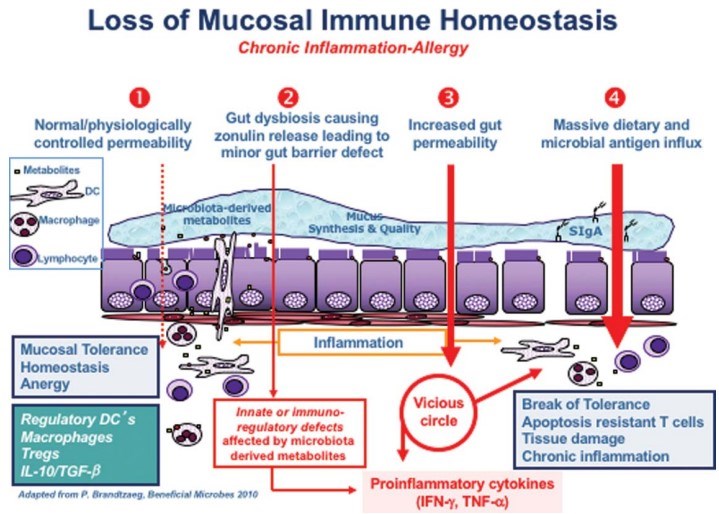 Figure 5. The mechanism of chronic inflammatory disease caused by the loss of barrier function caused by zonulin
(Source: Sturgeon C, et al.2016)
References
| Target | Cat. No. | Product Name | Size | Species | Application | Detection Sample | |
| Zonulin | DEIA2225 | Human Zonulin ELISA Kit | 96T | Quantitative | Serum, plasma, saliva, urine, serum-free cell culture supernates | Inquiry | |
| DEIASL282 | Human Zonulin ELISA Kit | 96T | Human | Quantitative | Serum | Inquiry | |
| DEIABL33 | Human Zonulin ELISA Kit | 96T | Quantitative | Stool | Inquiry |
Loading ......
