
Inquiry Basket
 Loading ......
Infectious diseases are a major cause of morbidity and mortality in horses and also generate substantial economic and societal impacts. These arise both from direct losses and from the broader consequences associated with the loss of animals that contribute to industry, serve as working partners, or provide companionship. Several high-impact pathogens, including Equine Infectious Anemia Virus (EIAV), Equine Influenza Virus (EIV), and equine arteritis virus (EAV), remain of particular concern in many regions. Effective control of these infections is often difficult because of the characteristics of the equine industry as well as the persistence of endemic pathogens. In this context, serological detection plays an important role in equine health management. Antibody-based approaches can be widely applied in prevention-oriented research and epidemiological studies because they provide high specificity and are well suited to large-scale testing programs.
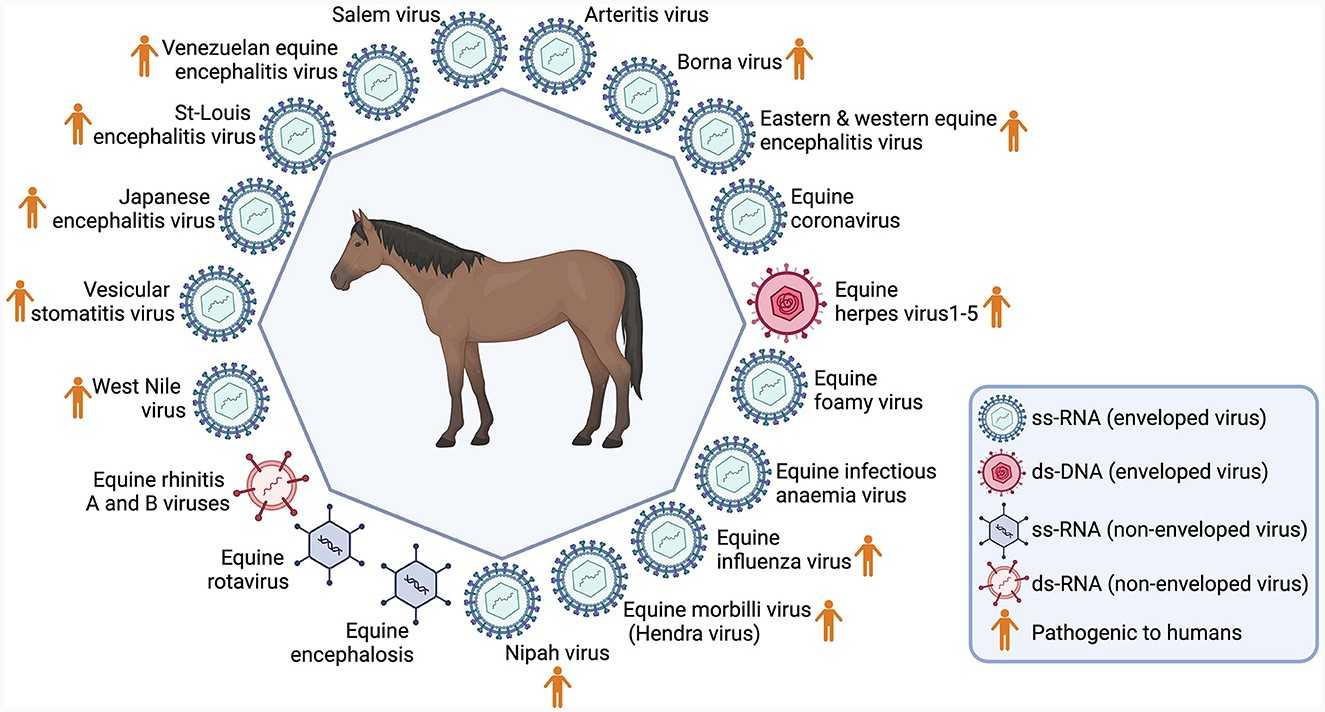 Fig. 1 Main viruses identified in horses.
Equine Infectious Anemia Virus (EIAV) is a lentivirus that establishes lifelong infection and induces a range of clinical outcomes, including recurrent fever, anemia, and weight loss in horses. The viral core protein p26 is a major immunodominant antigen and has been extensively used in serological research on EIAV exposure.
Equine viral arteritis (EVA) is a respiratory and reproductive disease in equines caused by equine arteritis virus (EAV). Within the EAV eight structural proteins, nucleoprotein (NP) is the most conserved structural protein among different strains, and it is abundantly expressed in EAV-infected cells and is often regarded as a key target for the detection of EAV.
Equine Influenza A subtype H3N8 remains the primary influenza strain in horses. The nucleoprotein (NP) is highly conserved across influenza A viruses and elicits strong, readily detectable antibody responses. Recombinant NP proteins are frequently incorporated into competitive or indirect antibody detection assays.
African Horse Sickness Virus (AHSV) possesses multiple structural proteins, among which VP7 is the most widely recognized for its serological relevance. VP7 is highly conserved across the nine AHSV serotypes and displays robust immunogenicity. These features make VP7 a preferred antigen in serology-focused research aimed at detecting exposure or studying serogroup-level immune responses.
Equine Piroplasmosis is caused by Theileria equi and Babesia caballi. In T. equi, members of the Equi Merozoite Antigen family, particularly EMA1 and EMA2, are major immunodominant surface proteins and are widely utilized in antibody detection studies. For Babesia caballi, BC48 is an immunodominant merozoite protein that elicits persistent antibody responses in infected horses.
Serological detection is an essential component of equine infectious disease surveillance and prevention-oriented research. These humoral signatures provide valuable information regarding exposure history, population-level immunity, and the circulation of specific pathogens within defined geographic regions.
Among the available approaches, competitive enzyme-linked immunosorbent assays are frequently used. These assays operate on a competition format in which serum antibodies interact with antigenic proteins in the presence of a well-characterized antibody. In addition to antibody detection, antigen detection methods also contribute to serological research, especially during acute or early stages of infection. Sandwich ELISA formats are commonly used for this purpose. It can offer strong specificity and sensitivity for detecting viral or parasitic proteins in serum or related sample types.
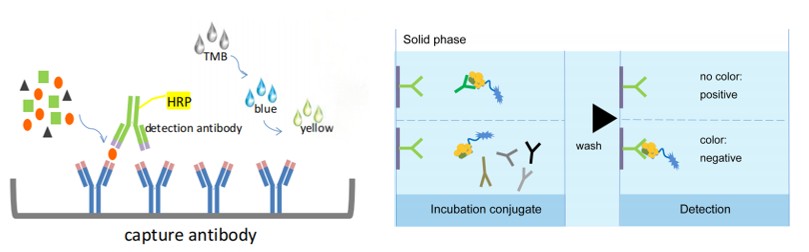 Fig. 2 Schematic diagram for the sandwich ELISA (left) and competitive/blocking ELISA (right).
The effectiveness of serological detection depends on the quality of the antigenic proteins and antibodies used in the assays. Immunodominant and conserved antigens such as EIAV p26, EIV hemagglutinin, AHSV VP7, EMA family proteins of Theileria equi etc. form the foundation of many antibody detection platforms. These proteins have been extensively studied and are known to elicit specific immune responses, making them well suited for incorporation into competitive assays.
Creative Diagnostics provides a series of antigens and antibodies related to equine infectious diseases that support serological detection and a wide range of research applications. Each reagent is evaluated for identity, purity, and bio-activity performance in laboratory platform. These materials are suitable for use in competitive and sandwich ELISAs, Western blotting, immunofluorescence assays, and other research techniques. Their excellent performance makes them reliable tools for studies focused on equine diseases.
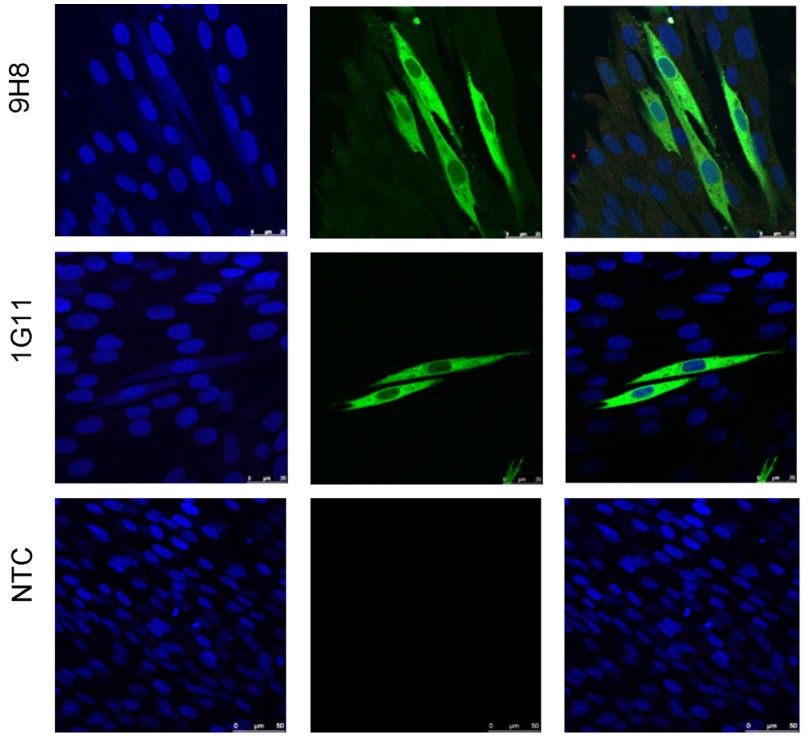 Fig. 3 IFA analysis of EIAV-infected FDD cells using 9H8 and 1G11 MAbs.
(Cat# DMABC-JX307; DMABC-JX308)
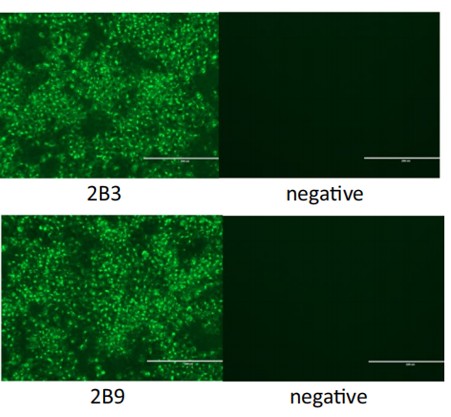 Fig.4 IFA analysis of EAV-infected RK-13 cells with mAb 2B3 and 2B9.
(Cat# DMABC-JX313; DMABC-JX315)
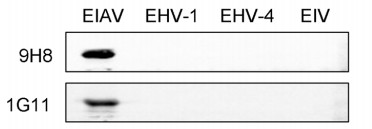 Fig. 5 Different equine infectious viruses were tested using 9H8 and 1G11 MAbs by Western blot.
(Cat# DMABC-JX307; DMABC-JX308)
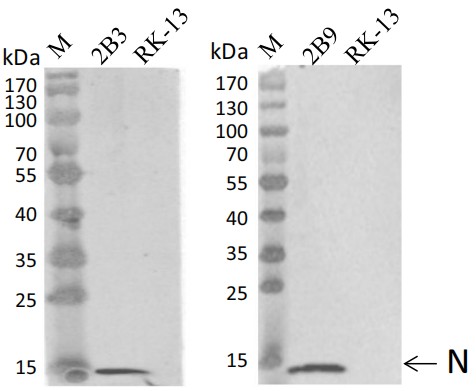 Fig. 6 Western blot analysis of EAV with mAb 2B3 and 2B9.
Samples loaded included an EAV-infected RK-13 lysate and an uninfected RK-13 lysate.
(Cat# DMABC-JX313; DMABC-JX315)
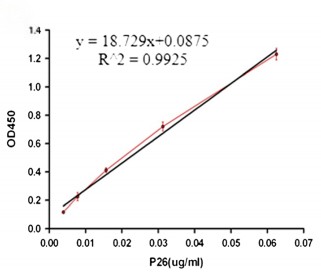 Fig. 7 The linear range of determination for EIAV p26 detection is 3.9 - 62.5 ng/ml.
Capture: mAb 9H8 (Cat# DMABC-JX307)
Detection: HRP Conjugated mAb 1G11 (Cat# DMABC-JX308)
Protein: EIAV p26 (Cat# DAGC-H017)
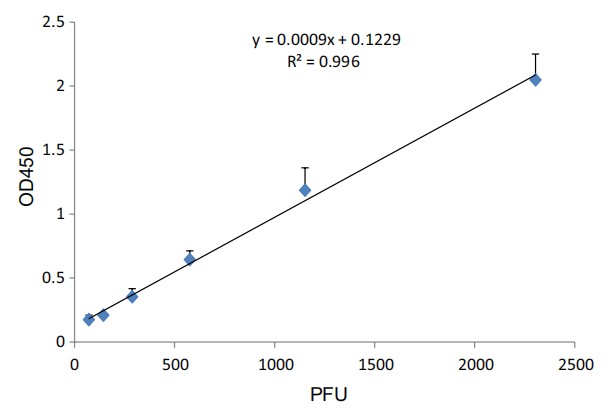 Fig. 8 Quantitation of EAV particles by the Sandwich-ELISA method showed a good linear relationship, with a viral load from 72 PFU to 2297 PFU.
Capture: mAb 2B9 (Cat# DMABC-JX315)
Detection: HRP-Conjugated mAb 2B3 (Cat# DMABC-JX313)
Reference Standard: Viral particles of the Bucyrus EAV strain
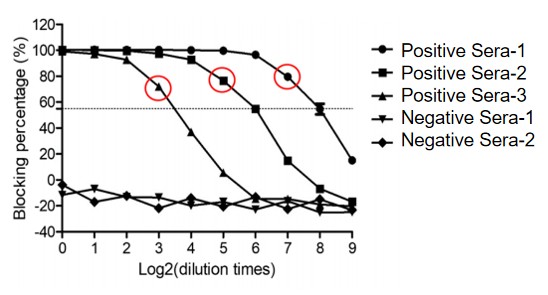 Fig. 9 Blocking ELISA analysis of EIA Ab positive and negative serum using mAb 1G11 as the coating antibody and p26-HRP as the competitive antigen. (Cat# DMABC-JX308; DAGC-H017)
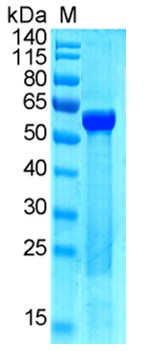 Fig. 10 SDS–PAGE analysis of purified EIV NP protein. (Cat# DAGC-H005)
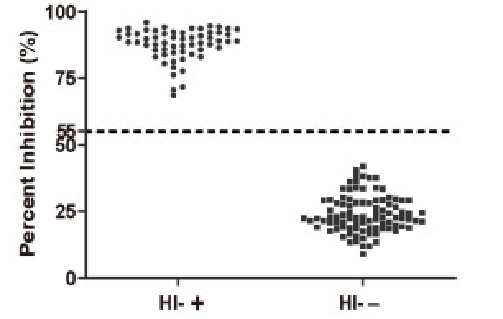 Fig. 11 ROC analysis for the EIV NP based-cELISA using EIV-negative sera (n = 93) and EIV-positive sera (n = 60). (Cat# DAGC-H005)
References
Loading ......
