


Inquiry Basket
 Loading ......
Herpesviridae is a large family of viruses that are large DNA viruses that contain over 200 species that are known to infect mammals, birds, reptiles, amphibians, fish, and bivalves. Herpesviridae may be divided into three subfamilies on the basis of genome structure, host range, pathogenicity, and site of latency.
Alphaherpesvirinae
Betaherpesvirinae
Gammaherpesvirinae
HSV-1 is mainly found in oral and perioral infections, but oral HSV-1 infections can cause genital herpes simplex, and HSV-2 is primarily responsible for genital infections. A common characteristic of all herpesviruses is their lifelong latency in the human body and their periodic reactivation. However, in most reactivations, the symptoms are mild; if a newborn or an immunosuppressed person is infected, the herpes virus can cause serious complications and death.
Creative Diagnostics offers high-quality HSV related antibodies, antigens, and other reagents for your R&D work.
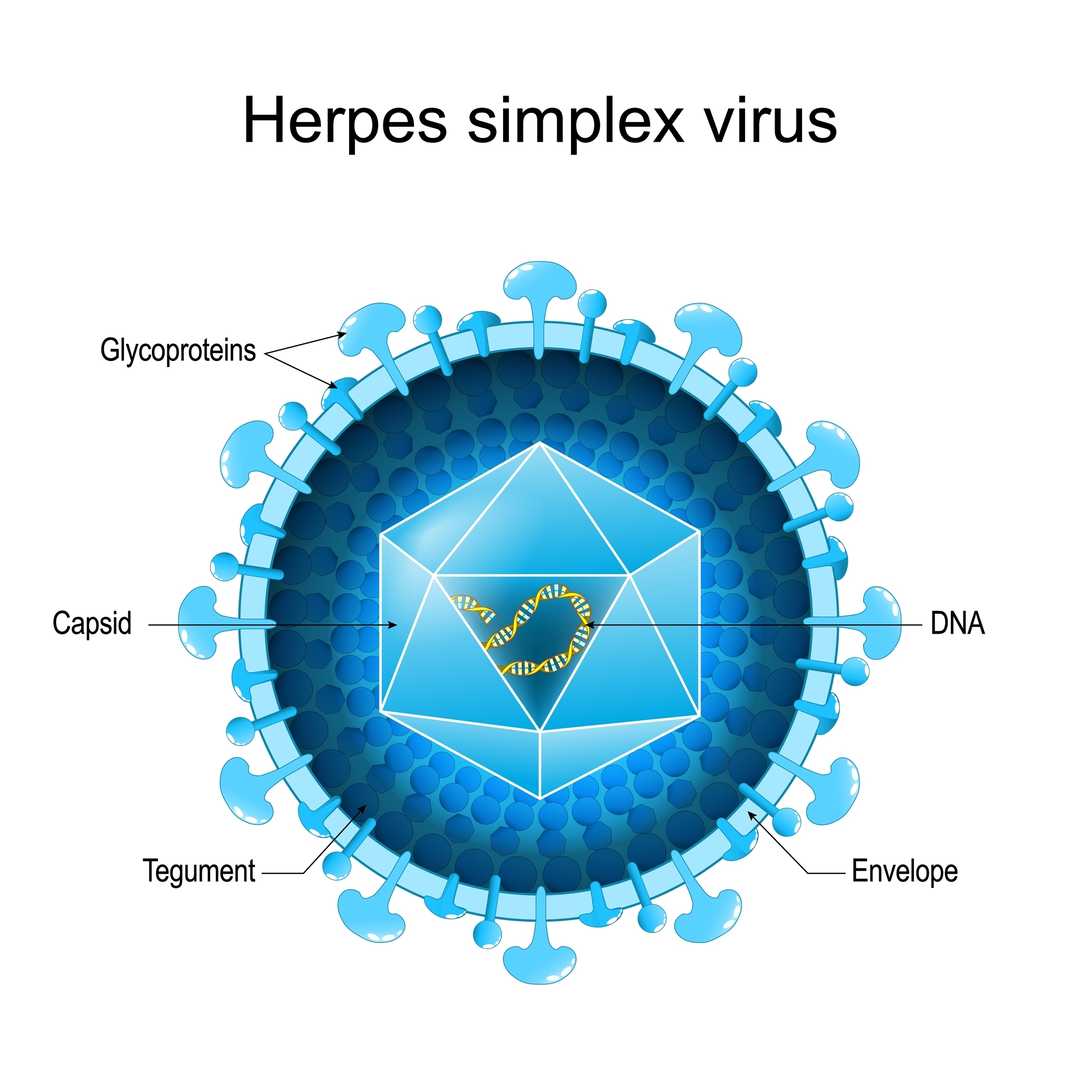
HSV is an enveloped virus with a spherical virion about 186 nanometers in diameter. Its genome is linear double-stranded DNA, composed of two covalently linked segments called the long (L) and short (S) segments. The DNA core is surrounded by an icosahedral capsid of 162 capsomeres. An amorphous layer of protein, called the tegument and containing over 20 proteins that have regulatory functions in the viral replication cycle, lies between the capsid and envelope. The viral envelope is a lipid bilayer that incorporates about 11 viral glycoproteins, of which gB, gD, gH, and gL are critical to viral entry into host cells, by mediating attachment and fusion with the cell membrane.
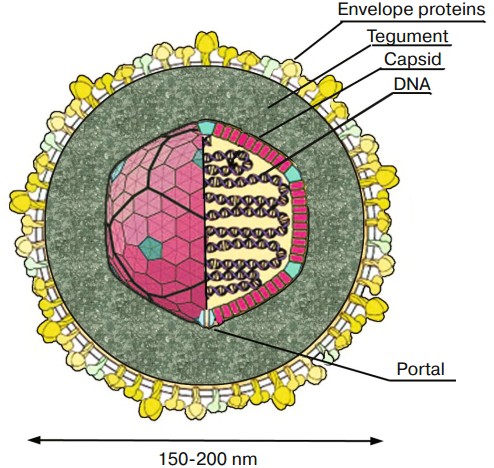 Figure 1. HSV-1 virion structure
(Source: Kukhanova MK, et al. 2014)
HSV-1 and HSV-2 are enveloped, double-stranded DNA viruses. As with all herpesviruses, HSV-1 and HSV-2 establish life-long infections after primary infection. HSV encodes at least 84 proteins and produces various long noncoding RNAs and microRNAs in productively infected cells. From the initial site of infection, the virus is transported retrogradely along the axons to sensory or autonomic neurons in peripheral ganglia that innervate that region. In latently infected neurons, viral DNA exists as a circular episome and expresses an important noncoding intron called the latency-associated transcript (LAT), along with a set of small RNAs and microRNAs. On reactivation, the virus is replicated in the neuron and transported anterogradely to the initial site of infection. HSV-1 and HSV-2 differ in their site of latency preference, clinical characteristics, epidemiology, and management, but are closely similar in terms of molecular structure, mechanisms of latency, reactivation triggers and treatment modalities.
Table 1. Key Differences and Clinical Features of HSV-1 and HSV-2
| HSV-1 | HSV-2 | |
| Genome | Double-stranded linear DNA, icosahedral capsid, envelope studded with multiple glycoprotein spikes; ~50% sequence identity between the two types | |
| Latency site | Trigeminal ganglion | Sacral ganglion |
| Main transmission route | Direct contact at the lips (saliva or lesion exudate); Occasionally oral–genital contact leads to genital infection | Sexual contact (genital/anal mucocutaneous secretions); Can be transmitted even when asymptomatic |
| Clinical presentation | Perioral cold sores and vesicles; Occasional keratitis or extra-oral infection of lip lesions; Lower recurrence rate than HSV-2 | Small vesicles and ulcers around the genitals, often painful or itchy; Can involve cervix, vagina, peri-anal area; Highest recurrence rate among genital herpes; Increases risk of HIV acquisition |
| Treatment | First-line: acyclovir (oral or IV); high-dose or combination therapy for severe cases (encephalitis, keratitis); Supportive care (pain relief, local hygiene) | Episodic or suppressive antiviral therapy can decrease outbreak frequency and viral shedding; Longer initial course, shorter courses for recurrences; Prophylactic antivirals should be considered in pregnancy |
A better understanding of the molecular mechanisms of HSV latency and reactivation will be critical for the development of antiviral drugs and rational intervention strategies.
Five Key Research Focuses on HSV Latency and Reactivation
Part 01
Genome "de-repression" mechanism
During productive infection, HSV gene expression is sequentially de-repressed to allow replication. Researchers hypothesize that a similar repressor system exists in latently infected neurons, preventing genome activation. To test this, it is essential to define the molecular steps from viral genome entry into the nucleus to its packaging into heterochromatin, which maintains the silent state.
Part 02
Role of LAT and viral miRNAs
LATs and viral miRNAs have been considered key determinants of latency for decades, but recent studies show they are not absolutely required. However, LAT does affect latent neurons. One hypothesis suggests LAT raises the stress threshold needed to trigger reactivation, but confirming this requires a better understanding of what "stress" means at the molecular or cellular level.
Part 03
Stress-induced genome de-repression
In response to sufficient neuronal stress (UV irradiation, inflammation, emotional stress, etc.), the latent HSV genome is de-repressed and gene expression commences. The sequential activation of viral genes is distinctly different between productively infected cells and latently infected neurons, as has been repeatedly shown. This highlights the need to study neuron-specific regulatory mechanisms.
Part 04
Signaling pathways from stress to genome de-repression
The ultimate goal is to develop therapies that block or control HSV reactivation. A key step is identifying which molecular events translate "effective stress" into genome de-repression, thereby initiating viral replication from latency.
Part 05
Distinguishing persistent latency from continuous shedding
Continuous presence of HSV DNA in the tissues at the site of recurrent lesions does not mean that there is active and continuous viral shedding. Actual demonstration by direct experimental evidence that there is chronic sustained viral replication is required and not just occasional virus shedding.
HSV is usually diagnosed by its characteristic lesions and a history of recurrent episodes of these lesions. Laboratory confirmation is only required in cases of suspected primary infection, atypical disease, and for asymptomatic viral shedding. The following tests can be performed.
Isolation of virus from vesicle fluid by cell culture remains the gold standard for diagnosis. After 2–3 days of cultivation, cytopathic effects are observed, confirming infection.
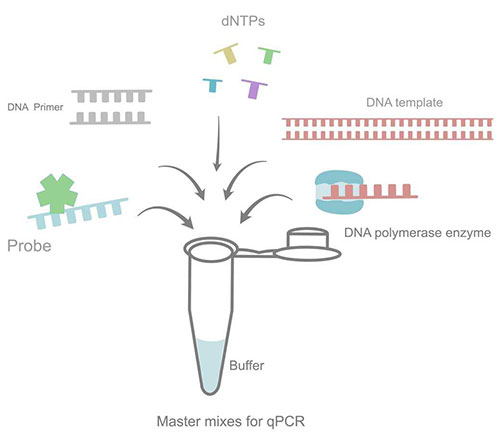
PCR is highly sensitive and specific, suitable for detecting viral genomes in samples with low virus amounts. PCR can also be performed on specimens directly collected from lesions, aiding both diagnosis and strain differentiation.
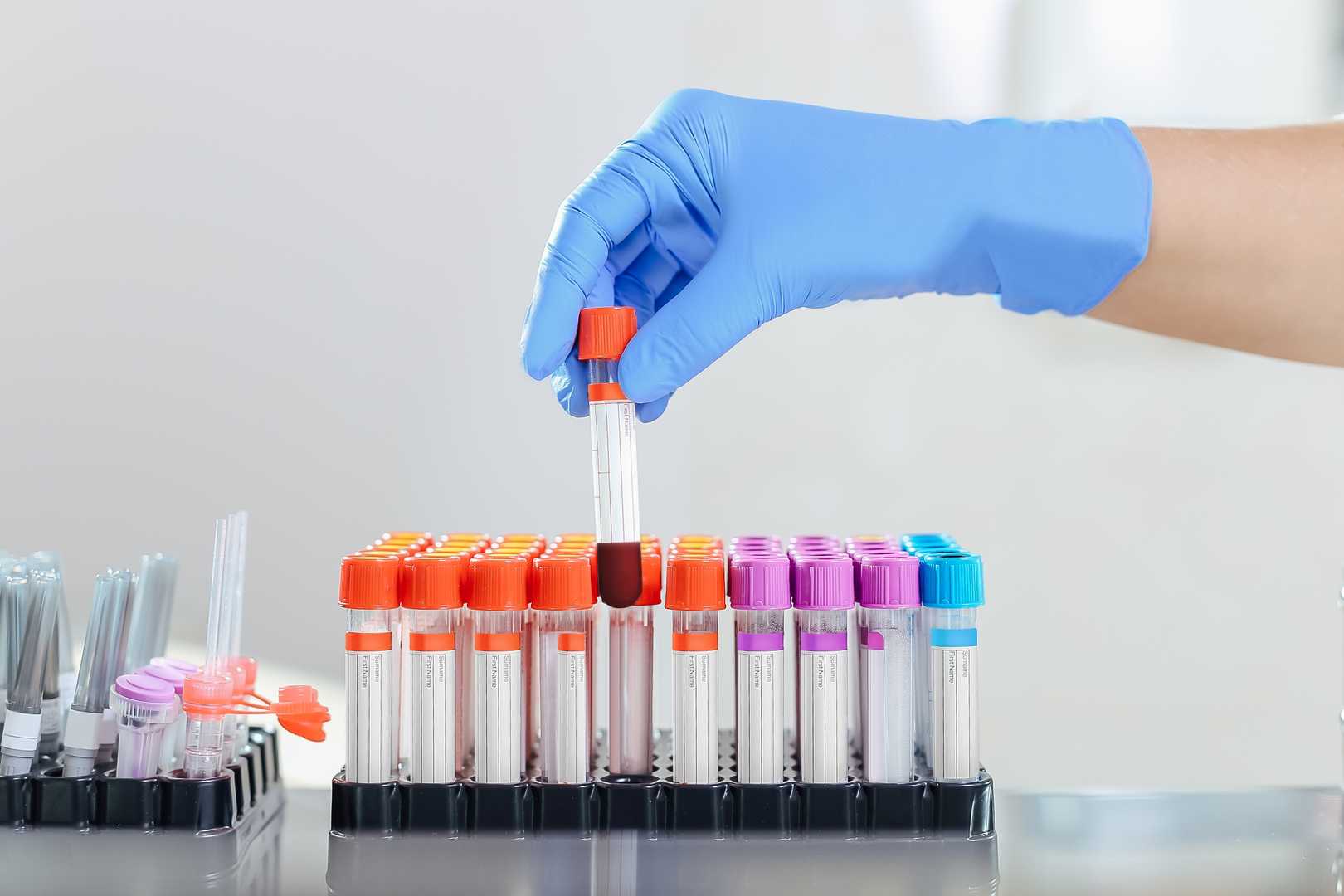
In asymptomatic individuals, serology is used to demonstrate HSV infection. Common serological methods include Western blotting, immunoassays, and immunofluorescence.
Halogenated nucleoside analogs such as IDU and trifluridine were the first antivirals to be developed for the treatment of HSV infections. Their triphosphate forms are incorporated into the newly synthesized viral DNA chain, where they block further elongation of the DNA. This stops viral replication, but since the drugs are not selective and the same mechanism is used to inhibit host cell DNA synthesis, they are highly toxic when administered systemically.
The development of nucleoside analogs with selective mechanisms of action was a major advance in HSV treatment. Acyclovir, a guanine analog, was one of the first antivirals with high selectivity and low toxicity. It has activity against HSV-1, HSV-2, and VZV. Subsequently, penciclovir was developed, which has a similar mechanism. Valacyclovir and famciclovir, the oral prodrugs of acyclovir and penciclovir, are now widely used, because of their decreased toxicity and increased bioavailability.
Activation of acyclovir requires phosphorylation by viral thymidine kinase (TK), that binds acyclovir with an affinity 100-fold higher than that of the cellular enzyme. Cellular kinases then complete the formation of the di- and triphosphate forms. Acyclovir triphosphate has two main mechanisms of action against viral DNA synthesis. First, due to its structural resemblance to guanosine triphosphate, it acts as a competitive inhibitor of viral DNA polymerase. Second, since it has no 3'-hydroxyl group, it terminates viral DNA elongation. HSV resistance to acyclovir has been linked to viral thymidine kinase (TK) deficiency, reduced synthesis of viral TK, altered substrate specificity of the TK enzyme, or an alteration in substrate specificity of the viral DNA polymerase enzyme. A mutation in the UL23 gene encoding TK causes around 95% of resistant cases, and mutations in the UL30 gene encoding the viral DNA polymerase enzyme account for 5% of resistant cases.
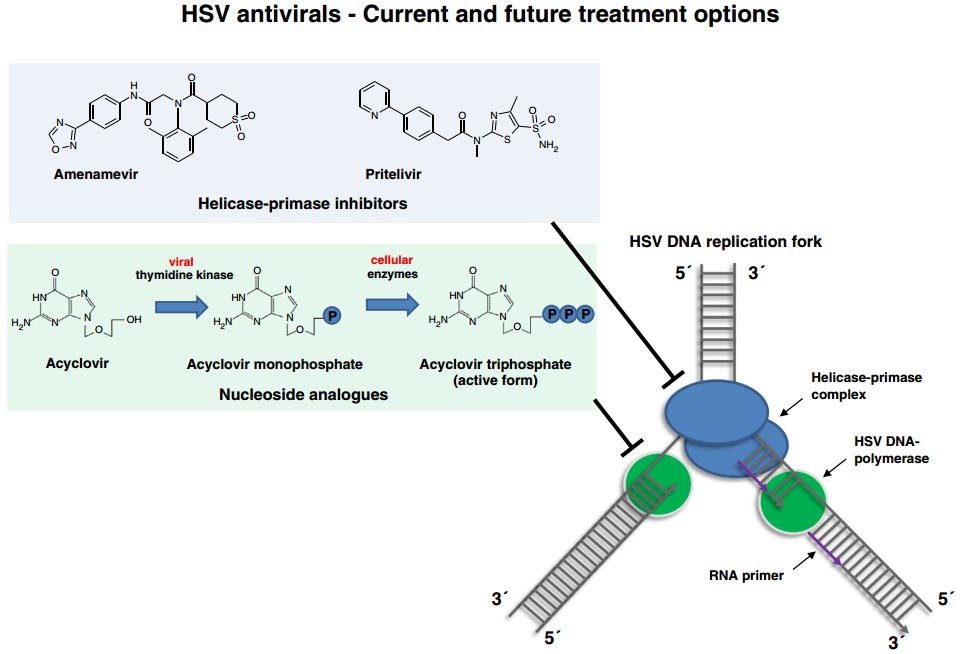 Figure 2. Mode of action of nucleoside analogs and helicase-primase inhibitors
(Source: Birkmann A, et al. 2016)
References
Loading ......
