Medica 2026
Nov 16-19, 2026 - Düsseldorf, Germany
ADLM 2026
July 26-30, 2026 – Anaheim, CA, USA

Hantavirus

Hantaviruses are negative-sense single-stranded RNA viruses belonging to the Bunyaviridae family. Different species of hantavirus have specific rodent hosts that each virus type associates with. Deer mice, cotton rats and voles function as virus reservoirs because they transmit the virus through bodily fluids without showing symptoms. Human infection occurs when people inhale airborne particles containing the virus which originate from dried waste from rodents. People get infected less often through direct interaction with infected rodents or their excrement or bites from these rodents.

Retinoblastoma.Figure 1. Hantavirus. (Vaheri, Antti, et al., 2013)

Hantavirus Pulmonary Syndrome (HPS)

Among the various conditions human hantavirus infections cause hantavirus pulmonary syndrome emerges as the most severe. The first recognized outbreak of HPS occurred in the southwestern United States during 1993 when a healthy young Navajo man and his fiancée both died from the disease. After HPS was first discovered it spread to numerous regions across North America and throughout Central and South America.

The RB1 Gene and Two-Hit Hypothesis.Figure 2. Hantavirus Pulmonary Syndrome (HPS). (Singh, Pratibha, et al., 2014)

Cause of Hantavirus Pulmonary Syndrome (HPS)

The development of HPS occurs through a complex response from the immune system. After inhalation, the virus circulates through the bloodstream to infect endothelial cells that line blood vessels. The disease causes blood vessels to become more permeable which leads to fluid leaking from them into lung tissue and other areas of the body. Severe respiratory distress emerges as the main symptom patients show when affected by HPS. Early-stage HPS patients usually experience symptoms similar to the flu such as fever and headache along with muscle pain fatigue and nausea. The initial symptoms of this condition may often be confused with signs of general illnesses. A few days after onset patients enter the cardiopulmonary phase which causes rapid breathing and shortness of breath together with low blood pressure. Respiratory failure emerges from lung fluid accumulation that impedes oxygen exchange and ultimately becomes fatal without prompt medical intervention.

Hantavirus Disease: Pathophysiology and Complications

HPS exerts its main effects on the respiratory system and heart function. When the virus penetrates endothelial cells that line blood vessels it leads to fluid accumulation and leakage within the lungs. Key complications include:

  • ARDS stands as a critical respiratory disorder that emerges when liquid fills the air sacs which then obstructs oxygen from reaching the blood.
  • Blood vessel leakage produces dangerously low blood pressure which causes hypotension followed by shock.
  • Cardiac complications can cause the heart to experience both irregular rhythms alongside diminished functionality.

Hantavirus Pulmonary Syndrome requires timely diagnosis and proper patient management because it attacks the respiratory system unlike Hantavirus Fever with Renal Syndrome which targets the kidneys.

Transmission of Hantavirus

While most viral diseases transmit easily among people, hantaviruses are generally not contagious among humans with the exception of the Andes virus which transmits infrequently among humans. Direct contact with rodents that carry the virus or their bodily waste results in human infections. The primary way humans contract infections from this virus is by breathing in particles that enter the air. When rodent urine and waste materials dry out their viral particles become airborne. People who clean rodent-contaminated areas such as sheds, barns or cabins create aerosols which they can inhale and which carry the virus.
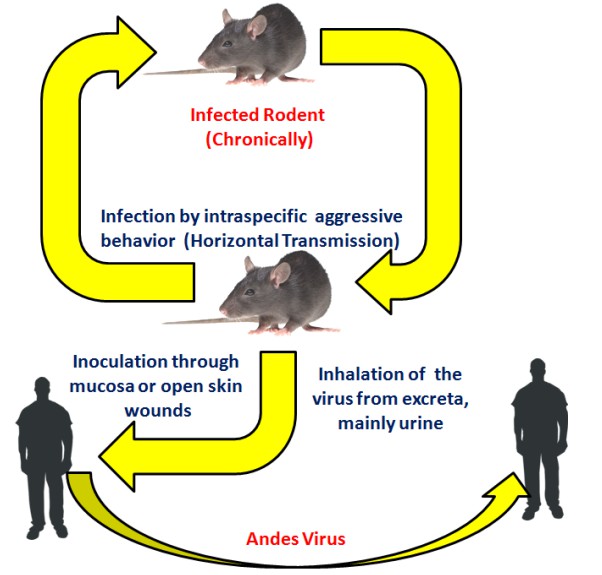
Figure 3. Transmission of Hantavirus. (Singh, Pratibha, et al., 2014)

Other less common routes of transmission include:

  • Direct Contact: People get contaminated when they touch infected surfaces or items and then touch their eyes, nose or mouth. Rodent Bites: Hantavirus transmission through rodent bites in humans occurs although it happens rarely.
  • Contaminated Food or Water: Eating contaminated food or drinking water that contains rodent feces leads to infection.
  • Entry Through Broken Skin: Cuts or scrapes on the skin create entry points through which the virus can enter the body.

Hantavirus Symptoms

HPS develops through several phases with symptoms emerging between 1 and 8 weeks following exposure. Medical professionals categorize the progression of this disease into three distinct stages.

PhaseSymptoms
Early Symptoms (Prodromal Phase)In the beginning stages patients experience flu-like symptoms which can manifest as:
  • Fever and chills
  • Mainly affecting the thighs, hips and back regions individuals experience muscle pain during this phase.
  • Fatigue and weakness
  • Headaches
  • Dizziness
  • Nausea, vomiting, or diarrhea
The disease presents non-specific symptoms that resemble common conditions like influenza thus complicating timely diagnosis.
Cardiopulmonary Phase (Severe Respiratory Distress)The disease advances quickly to severe respiratory symptoms within 4–10 days.
  • Shortness of breath and coughing
  • Rapid heartbeat
  • Low blood pressure
  • Fluid accumulation in the lungs (pulmonary edema)
  • Oxygen deficiency, leading to respiratory failure
This stage presents extreme danger to life and demands urgent medical treatment. The mortality rate reaches 40% when patients do not receive medical treatment.
Recovery PhaseSurvivors of the critical phase often face extended periods of fatigue while needing multiple weeks or months to regain full health. Lasting complications in the lungs or heart may develop in some patients.

Hantavirus Disease: Pathophysiology and Complications

HPS exerts its main effects on the respiratory system and heart function. When the virus penetrates endothelial cells that line blood vessels it leads to fluid accumulation and leakage within the lungs. Key complications include:

ARDS is a serious lung condition which occurs when fluid accumulates in the air sacs blocking oxygen transfer to the bloodstream.

The leakage of blood from vessels results in dangerously low blood pressure leading to hypotension and shock.

The heart may develop irregular rhythms and decreased functionality as cardiac complications.

Hantavirus Pulmonary Syndrome affects the respiratory system instead of the kidneys like Hantavirus Fever with Renal Syndrome while requiring quick diagnosis and proper patient care.

Global Distribution and Epidemiology

Different strains of hantavirus cause infections across the world, with specific strains dominating in distinct regions. For example:

  • Sin Nombre virus (SNV) stands as the leading cause behind HPS cases throughout the United States.
  • Puumala virus (PUUV) represents the primary HPS pathogen throughout Europe.
  • Hantaan virus (HTNV) stands as the primary cause of Hemorrhagic Fever with Renal Syndrome in Korea.
  • Mild hantavirus infections in South Korea are linked to the Seoul virus (SEOV).

HPS primarily affects regions in Asia, Europe, and the Americas and usually emerges in rural and semi-rural habitats that have high rodent populations

Treatment of Hantavirus

Supportive care forms the fundamental approach to treating HFRS by concentrating on fluid balance control alongside blood pressure and kidney function management.

  • Hospitalization: All suspected HFRS cases require hospitalization.
  • Fluid and Electrolyte Management: Fluid balance and electrolyte monitoring requires constant adjustment during hypotensive and oliguric phases.
  • Blood Pressure Support: Medications are required to stabilize blood pressure levels in patients suffering from severe hypotension.
  • Dialysis: Renal replacement therapy through dialysis becomes necessary for patients experiencing severe kidney failure during the oliguric phase.

Prevention Strategies

  • Preventive measures remain the most effective strategy because there is no known cure.
  • Perform rodent control by sealing home entrances and exits properly storing food and removing any potential nesting sites.
  • To clean areas infested with rodents safely use disinfectant products such as bleach solutions.
  • Wear gloves and masks. Do not sweep or vacuum rodent droppings since doing so can aerosolize the virus instead use a disinfectant to wet clean the area.

Conclusions

Hantaviruses represent a major public health challenge because they can induce serious and life - threatening diseases. Early diagnosis and proper management of hantavirus diseases depends on comprehensive knowledge of hantavirus characteristics and treatment options through understanding their transmission and symptoms. Research into antiviral therapies and enhanced prevention methods must continue to effectively address the danger these viruses present.

References

  1. Vaheri, Antti, et al. Uncovering the mysteries of hantavirus infections. Nature Reviews Microbiology 11.8 (2013): 539-550.
  2. Singh, Pratibha, Priti Talwar, and Ravanan Palaniyandi. Hantavirus Pulmonary Syndrome (HPS): A Concise Review based on Current Knowledge and Emerging Concept." Journal of Applied Pharmaceutical Science 4.11 (2014): 122-130.

Hantavirus Antibodies

TypesCat. No.Product NameApplication
pan-HantavirusCABT-CSV797NeutraAb™ Human Anti-pan-HTNV Gn/Gc Monoclonal Antibody, clone ADI-42898ELISA, NeutInquiry
CABT-CSV798NeutraAb™ Mouse Anti-pan-HTNV Gn/Gc Monoclonal Antibody, clone ADI-42898ELISA, NeutInquiry
CABT-CSV799NeutraAb™ Rabbit Anti-pan-HTNV Gn/Gc Monoclonal Antibody, clone ADI-42898ELISA, NeutInquiry
CABT-JXD04NeutraAb™ Human Anti-pan-HTNV Gn/Gc Monoclonal Antibody, clone ADI-65533Neut, ELISA, BLIInquiry
CABT-JXD06NeutraAb™ Mouse Anti-pan-HTNV Gn/Gc Monoclonal Antibody, clone ADI-65533Neut, ELISA, BLIInquiry
CABT-JXD08NeutraAb™ Rabbit Anti-pan-HTNV Gn/Gc Monoclonal Antibody, clone ADI-65533Neut, ELISA, BLIInquiry
CABT-JXD05NeutraAb™ Human Anti-pan-HTNV Gn/Gc Monoclonal Antibody, clone ADI-65534Neut, ELISA, BLIInquiry
CABT-JXD07NeutraAb™ Mouse Anti-pan-HTNV Gn/Gc Monoclonal Antibody, clone ADI-65534Neut, ELISA, BLIInquiry
CABT-JXD09NeutraAb™ Rabbit Anti-pan-HTNV Gn/Gc Monoclonal Antibody, clone ADI-65534Neut, ELISA, BLIInquiry
Hantaan virusDMAB-CS23036Magic™ Mouse Anti-HTNV NP Monoclonal Antibody, clone 354ELISA (Cap), LFIAInquiry
DMAB-CS23037Magic™ Mouse Anti-HTNV NP Monoclonal Antibody, clone 355ELISA (Det), LFIAInquiry
DMABD-JX282Mouse Anti-HTNV NP Monoclonal Antibody, clone 5067ELISA, IFInquiry
DMABD-JX283Mouse Anti-HTNV NP Monoclonal Antibody, clone 5068ELISA, IFInquiry
DMABD-JX284Mouse Anti-HTNV NP Monoclonal Antibody, clone 5069ELISA, IFInquiry
DMABD-JX286Mouse Anti-HTNV NP Monoclonal Antibody, clone 6I8ELISA, WBInquiry
CABT-NS1100NeutraAb™ Human Anti-HTNV Glycoprotein Monoclonal Antibody, clone HTN-Gn1ELISA, NeutInquiry
CABT-NS1101NeutraAb™ Mouse Anti-HTNV Glycoprotein Monoclonal Antibody, clone HTN-Gn1ELISA, NeutInquiry
CABT-CSV205NeutraAb™ Rabbit Anti-HTNV Gn Monoclonal Antibody, clone HTN-Gn1ELISA, NeutInquiry
DMABD-JX287Mouse Anti-HTNV Glycoprotein 1 Monoclonal Antibody, clone 2G6ELISA, WBInquiry
DMAB6473Mouse Anti-HTNV Monoclonal Antibody, Clone C6E10WB, IHC, ELISAInquiry
Puumala virusCABT-YN1249NeutraAb™ Human Anti-PUUV C Glycoprotein Monoclonal Antibody, clone P-4G2ELISA, NeutInquiry
CABT-YN1325NeutraAb™ Mouse Anti-PUUV C Glycoprotein Monoclonal Antibody, clone P-4G2ELISA, NeutInquiry
DMABT-Z59625Mouse Anti-PUUV Nucleocapsid Monoclonal AntibodyICC, IFInquiry
DMAB6474Mouse Anti-PUUV Monoclonal Antibody, Clone B2D6WB, IHC, ELISAInquiry
DPAB-L20973Rabbit Anti-PUUV Nucleocapsid Polyclonal AntibodyELISAInquiry
DPAB-L20972Rabbit Anti-PUUV Glycoprotein Polyclonal AntibodyELISAInquiry
Andes VirusCABT-JXC055NeutraAb™ Human Anti-ANDV Spike Monoclonal Antibody, clone ANDV55ELISA, NeutInquiry
CABT-CSV846NeutraAb™ Human Anti-ANDV Gn Monoclonal Antibody, clone ANDV-5Neut, ELISA, FCInquiry
CABT-CSV847NeutraAb™ Mouse Anti-ANDV Gn Monoclonal Antibody, clone ANDV-5Neut, ELISA, FCInquiry
CABT-CSV848NeutraAb™ Rabbit Anti-ANDV Gn Monoclonal Antibody, clone ANDV-5Neut, ELISA, FCInquiry
CABT-CSV849NeutraAb™ Human Anti-ANDV Gn Monoclonal Antibody, clone ANDV-34Neut, ELISA, FCInquiry
CABT-CSV850NeutraAb™ Mouse Anti-ANDV Gn Monoclonal Antibody, clone ANDV-34Neut, ELISA, FCInquiry
CABT-CSV851NeutraAb™ Rabbit Anti-ANDV Gn Monoclonal Antibody, clone ANDV-34Neut, ELISA, FCInquiry
DMABD-JX290NeutraAb™ Mouse Anti-ANDV Gn/Gc Monoclonal Antibody, clone 5F2ELISA, Neut, ADCCInquiry
DPABH-00008Rabbit Anti-ANDV Glycoprotein Polyclonal AntibodyELISAInquiry
Seoul virusDMAB-CLS25028Magic™ Mouse Anti-Hanta virus Monoclonal Antibody, clone 339ELISA(Cap)Inquiry
DMAB-CLS25029Magic™ Mouse Anti-Hanta virus Monoclonal Antibody, clone 344ELISA (Det)Inquiry
DMABB-JX516Mouse Anti-Hantavirus Seoul strain NP Monoclonal Antibody, clone S42ELISA, ICC/IF, IHCInquiry
Sin Nombre VirusDMAB-CS25149Human Anti-SNV Glycoprotein Monoclonal Antibody, clone SNV64ELISA, NeutInquiry
DMAB-CS25150Human Anti-SNV Gc (domain I) Monoclonal Antibody, clone SNV35ELISA, NeutInquiry
DMAB-CS25151Human Anti-SNV Gn/Gc Monoclonal Antibody, clone SNV40ELISA, NeutInquiry
DPAB-L21112Rabbit Anti-SNV Nucleocapsid Polyclonal AntibodyELISAInquiry
DPAB-L21110Rabbit Anti-SNV Glycoprotein 1 Polyclonal AntibodyELISAInquiry
DPAB-L21111Rabbit Anti-SNV Glycoprotein 2 Polyclonal AntibodyELISAInquiry
Dobrava VirusDMABD-JX285Mouse Anti-DOBV Nucleoprotein Monoclonal Antibody, clone 4B2ELISA, WBInquiry
Black Creek Canal OrthohantavirusDPAB-CAB5057Rabbit Anti-BCCV Gc Polyclonal AntibodyELISA, IHC, WBInquiry
DPAB-CAB5058Rabbit Anti-BCCV Gn Polyclonal AntibodyELISA, IHC, WBInquiry
DPAB-CAB5059Rabbit Anti-BCCV NP Polyclonal AntibodyELISA, IHC, WBInquiry
Araucaria virusDPABD-JX181Rabbit Anti-ARAV Nucleoprotein polyclonal antibodyELISA, WB, IHCInquiry

Hantavirus Antigens

Cat. No.Product NameVirus specieTargetExpression System
DAG-WT7704Recombinant Andes virus Nucleoprotein [His]Andes virus (ANDV)Nucleoprotein (N)E. coliInquiry
DAG-WT7700Recombinant Hantaan virus Nucleoprotein (N) (a.a. 3-93) [His]Hantaan virus (HTNV)Nucleoprotein (N)E. coliInquiry
DAG-WT7699Recombinant Hantaan virus Glycoprotein G1 (Gn) [His]Hantaan virus (HTNV)Glycoprotein (G)E. coliInquiry
DAG-WT7697Recombinant Hantaan virus Glycoprotein G2 (Gc) [His]Hantaan virus (HTNV)Glycoprotein (G)HEK293 cellsInquiry
DAG-WT7698Recombinant Hantaan virus Glycoprotein G2 (Gc) [His]Hantaan virus (HTNV)Glycoprotein (G)Insect cellsInquiry
DAG-WT7699Recombinant Hantaan virus Glycoprotein G1 (Gn) [His]Hantaan virus (HTNV)Glycoprotein (G)E. coliInquiry
DAG-WT7703Recombinant Black Creek Canal orthohantavirus (BCCV) Nucleoprotein (N) [His]Black Creek Canal orthohantavirus (BCCV)Nucleoprotein (N)E. coliInquiry
DAG-WT7702Recombinant Black Creek Canal orthohantavirus (BCCV) Glycoprotein G1 (Gn) [His]Black Creek Canal orthohantavirus (BCCV)Glycoprotein (G)E. coliInquiry
DAG-WT7701Recombinant Black Creek Canal orthohantavirus (BCCV) Glycoprotein G2 (Gc) [His]Black Creek Canal orthohantavirus (BCCV)Glycoprotein (G)E. coliInquiry
DAG-WT7705Recombinant Seoul virus (SEOV) Nucleoprotein (full length)Seoul virus (SEOV)Nucleoprotein (N)E. coliInquiry

Hantavirus ELISA Kits

Cat. No.Product NameSizeSpecies ReactivityApplicationDetection Method
DEIABL10Mouse Anti-Hantavirus ELISA Kit2×48TMouseQualitativesELISAInquiry
DEIA-JY2451Mouse Hantavirus (HV) Antibody ELISA Kit96TMouseQualitativeiELISAInquiry
DEIA-JY2467Rat Hantavirus (HV) Antibody ELISA Kit96TRatQualitativeiELISAInquiry
DEIA2203LHuman Hantavirus Nucleoprotein (HVNP) IgG/IgM ELISA Kit96THumanQualitativeiELISAInquiry

Hantavirus PCR Kits

Cat. No.Product NameSizeSpecies ReactivityApplicationDetection Method
PCR-NS2618Andes virus Real Time PCR Kit50 ReactionsAndes virusQualitativeReal-Time PCRInquiry
PCR-WN-151Hantavirus Real Time PCR Kit50 ReactionsHantaan, Seoul, and PuumalaQualitativeReal-Time PCRInquiry

Hantavirus NAT Standard Reference

Cat. No.Product NameSizeReference Range
NA-GWP-SR-38-L1Andes virus (Hantavirus Pulmonary Syndrome (HPS)) Nucleic Acid Standard Reference1mL/vial1.6×10^3~1.6×10^4 copies/mLInquiry
NA-GWP-SR-38-S1Andes virus (Hantavirus Pulmonary Syndrome (HPS)) Nucleic Acid Standard Reference1mL/vial6.3×10^2~6.3×10^3 copies/mLInquiry
NA-GWP-SR-38-S2Andes virus (Hantavirus Pulmonary Syndrome (HPS)) Nucleic Acid Standard Reference1mL/vial3.2×10^2~3.2×10^3 copies/mLInquiry
NA-GWP-SR-38-S3Andes virus (Hantavirus Pulmonary Syndrome (HPS)) Nucleic Acid Standard Reference1mL/vial1.6×10^2~1.6×10^3 copies/mLInquiry
Inquiry Basket