

Inquiry Basket
 Loading ......
The dopamine ELISA kit is a sophisticated and highly sensitive in vitro diagnostic tool designed for the precise quantification of dopamine in various biological samples, including plasma, urine, tissue homogenates, and cell culture supernatants. Utilizing an advanced competitive enzyme-linked immunosorbent assay (ELISA) format, this kit provides researchers with a reliable method to investigate this crucial neurotransmitter's role in neurological function, psychiatric disorders, and metabolic pathways. With its optimized protocol and ready-to-use components, the kit delivers exceptional sensitivity and reproducibility, making it an indispensable asset for neuroscience research, clinical laboratories, and pharmaceutical development.
Dopamine is a catecholamine neurotransmitter that plays fundamental roles in numerous physiological processes, including motor control, motivation, reward, cognition, and endocrine regulation. As a key chemical messenger in the brain, dopamine mediates communication in several critical neural pathways, particularly the nigrostriatal pathway involved in movement control and the mesolimbic pathway associated with reward and motivation. The precise measurement of dopamine levels is essential for understanding its complex functions in both health and disease. The clinical and research significance of dopamine quantification spans multiple domains. In neurological research, dopamine measurements are crucial for studying Parkinson's disease, where dopaminergic neuron degeneration leads to characteristic motor symptoms. In psychiatric research, abnormal dopamine levels are implicated in schizophrenia, addiction, attention deficit hyperactivity disorder (ADHD), and depression. Additionally, dopamine serves as a precursor to other important catecholamines, making its measurement valuable in broader neuroendocrine studies.
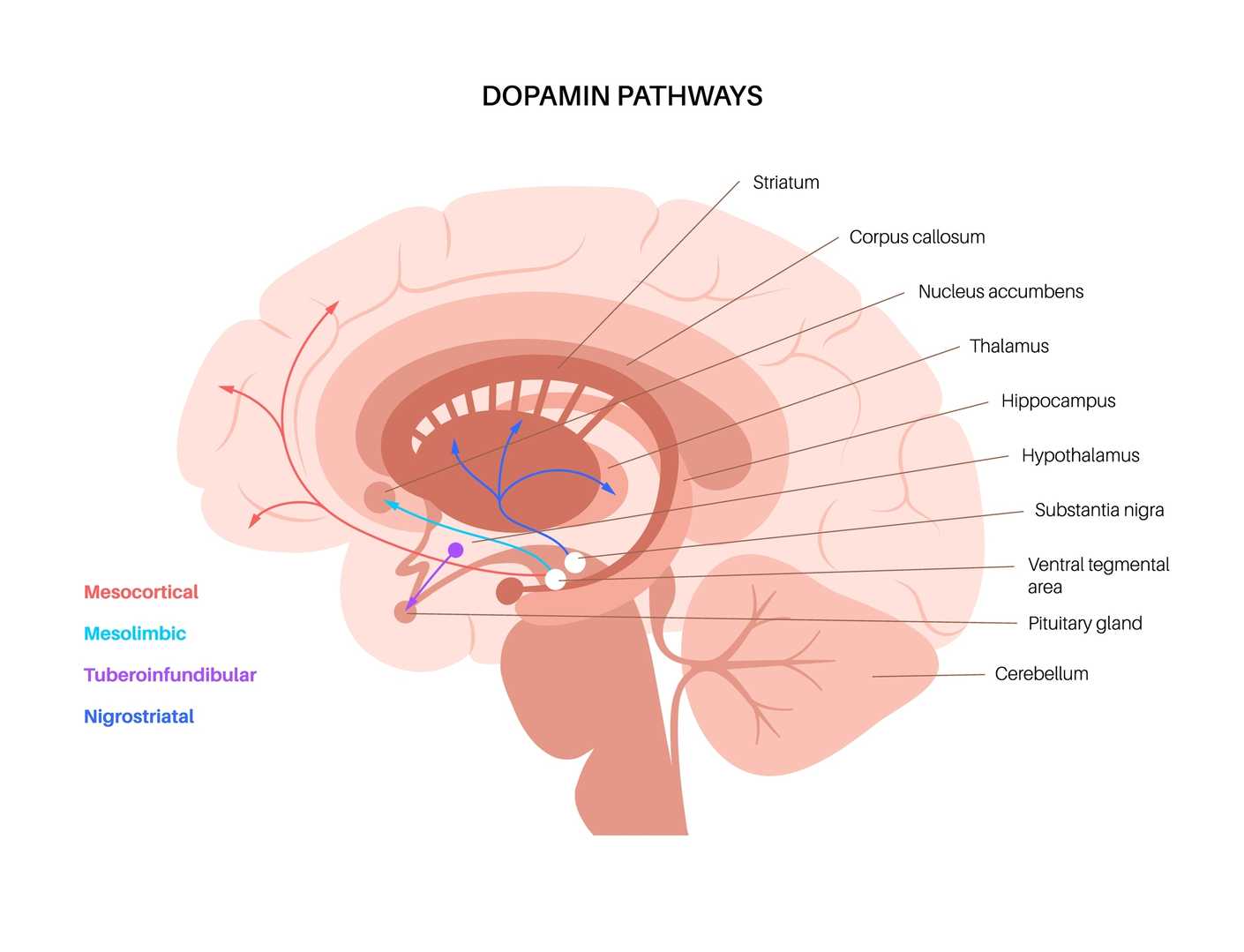 Figure 1. Dopamine pathway.
This ELISA kit employs a competitive binding principle that ensures specific and accurate detection of dopamine across physiologically relevant concentrations. The assay utilizes a microtiter plate pre-coated with a dopamine analog, which competes with the dopamine in experimental samples for binding sites on a limited amount of specific anti-dopamine antibody. This sophisticated design minimizes cross-reactivity with related catecholamines while maintaining high analytical sensitivity, providing researchers with reliable data for both basic science investigations and clinical research applications.
Sample Compatibility
Sensitivity Range
Main Uses
Product Specifications
Intended Use & Research Applications
| Parameter | Details |
| Product name | Dopamine ELISA Kit |
| Sample | plasma, urine |
| Intended Use | For Quantitative Determination of Dopamin in Plasma or urine by a Microplate Enzyme Immunoassay. |
| Storage | Store the reagents at 2-8°C until expiration date. For more detailed information, please download the following document on our website. |
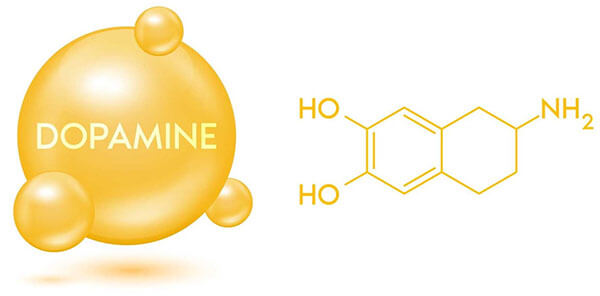
Compared with other dopamine detection methods, the dopamine ELISA kit achieves a unique balance in performance, convenience, and cost, making it advantageous in most neurotransmitter and psychiatric research:
Compared with Western blotting, Western blotting for dopamine related proteins (such as dopamine receptors) can only provide qualitative or semi quantitative data on protein expression and cannot directly measure dopamine levels. The ELISA kit can accurately quantify dopamine itself, directly addressing key variables in dopamine signal research.
Compared to other ELISA kits, many competing dopamine ELISA kits have high cross reactivity with norepinephrine (a common catecholamine) or require large amounts of samples (>100 μ L), limiting their use in valuable samples such as CSF. The cross reactivity of this kit is less than 0.1%, and the sample volume is 50 μ L, which solves these problems and ensures accurate results even in limited samples.

Superior Methodological Specificity
The assay demonstrates minimal cross-reactivity with structurally similar compounds including norepinephrine, epinephrine, L-DOPA, and other catecholamine metabolites. This high specificity is achieved through carefully selected antibodies and optimized assay conditions.

Optimized Sample Compatibility
Designed to accommodate multiple sample types, the kit includes specific protocols and buffer systems optimized for plasma, urine, tissue homogenates, and cell culture supernatants. This versatility allows researchers to investigate dopamine dynamics across different experimental models and biological systems.

High Specificity for Accurate Clinical Assessment
The antibody used in this kit exhibits high affinity and specificity for progesterone, minimizing interference from other structurally similar steroid hormones. This ensures the accuracy and reliability of results, which is paramount for fertility assessment and pregnancy monitoring.
The Dopamine ELISA Kit represents a robust and analytically validated solution for the precise quantification of this essential neurotransmitter in research settings. With its exceptional sensitivity, broad sample compatibility, and high methodological specificity, this kit provides neuroscientists and clinical researchers with a valuable tool for advancing our understanding of dopaminergic systems in health and disease. The combination of reliable performance and user-friendly design makes this kit suitable for diverse applications, from basic neuroscience investigations to preclinical drug development studies, contributing to important discoveries in neurological and psychiatric research.
A1: Dopamine measurement is crucial for understanding numerous neurological and psychiatric conditions. In Parkinson's disease research, it helps quantify dopaminergic neuron loss and assess treatment efficacy. In addiction studies, dopamine measurements reveal reward pathway activation. The neurotransmitter's role in motivation, cognition, and motor control makes its quantification essential for advancing our understanding of brain function and dysfunction.
A2: Plasma samples should be collected with EDTA or heparin anticoagulants and include antioxidant preservatives. Urine samples require acidification during collection. Tissue samples need immediate homogenization in appropriate buffers containing antioxidants to prevent dopamine degradation. All samples should be stored at -80°C and avoid repeated freeze-thaw cycles. Detailed protocols for each sample type are provided in the kit insert.
A3: While HPLC with electrochemical detection remains a gold standard for catecholamine analysis, this ELISA provides a compelling alternative with advantages in throughput, equipment requirements, and technical expertise needed. The ELISA format offers excellent sensitivity and specificity while enabling simultaneous processing of multiple samples, making it particularly suitable for laboratories without specialized chromatography equipment or for studies requiring higher throughput.
A4: Dopamine is particularly susceptible to oxidation and enzymatic degradation. Samples should be processed quickly in cooled environments, with the addition of antioxidants such as glutathione or ascorbic acid. Acidification is recommended for urine samples. Immediate freezing at -80°C and avoidance of repeated freeze-thaw cycles are essential for maintaining sample integrity throughout storage and analysis.
Loading ......
