
Inquiry Basket
 Loading ......
Immunofluorescence (IF) is a powerful technique built on immunology, biochemistry, and microscopy techniques. The main principle is to use fluorescently labeled antibodies as probes for localization and qualitative analysis of specific antigens in tissues or cells. Because of its specificity, sensitivity, and speed, it is widely applied in scientific research (e.g. determination of endocrine hormones, proteins, peptides, nucleic acids, neurotransmitters, receptors, cytokines, cell surface antigens, tumor markers, blood drug concentrations, and various other biologically active substances). There are two types of IF: direct IF and indirect IF, the difference being mainly in the number of antibodies used and the fluorophore conjugation.
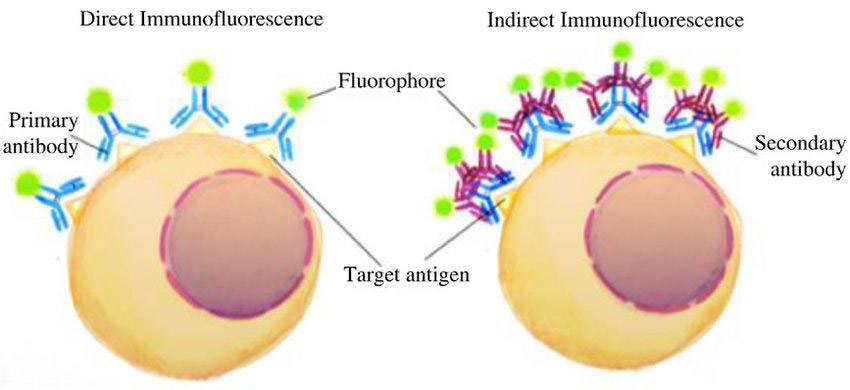 Fig. 1 Direct and indirect IF. (Wangler M F,et al., 2017)
Direct IF involves direct labeling of primary antibodies with fluorescent dyes. The basic principle is to label fluorescein with a known antibody and it becomes a specific fluorescent antibody. During staining, the antibody is directly dropped onto the slide for incubation, allowing it to directly bind to the antigen on the slide. It is then observed directly under a fluorescence microscope to judge. This method is simple, rapid, and easy to perform, and is particularly useful for detecting highly expressed proteins in cells and tissues. In addition, non-specific bindings in direct IF are reduced and species cross-reactivity is low. However, its sensitivity is weaker than indirect IF and it lacks multiplex detection.
Indirect IF involves secondary antibodies conjugated with fluorescent dyes to detect primary antibodies. The basic principle of the method is to use an antibody specific to the antigen followed by indirect fluorescent antibodies, which bind to the preceding antigen-antibody complex to form antigen-antibody fluorescent complexes. The antigen being detected is identified based on the complex's luminescence under a fluorescence microscope.
Because multiple fluorophores can be conjugated to secondary antibodies, thus making detection easier. The method is highly specific and sensitive and useful for detecting low-abundance proteins. Indirect IF also allows multiplex detection, making it an excellent choice for detecting multiple targets simultaneously. However, indirect IF has some disadvantages, such as background noise and high species cross-reactivity.
| Direct IF | Indirect IF | |
| Primary Antibody Conjugated to a Fluorophore | Directly conjugated to the fluorophore | Not conjugated with the fluorophore |
| Number of Antibodies Used | One | Two |
| Secondary Antibody | No involvement of the secondary antibody | Fluorophore conjugates with the secondary antibody |
| Process Time | Lesser time, because it only requires one labeling step. | Time-consuming, because using a secondary second antibody to detect the primary antibody causes additional operational steps. |
| Cost | More expensive because primary conjugated antibodies are costly. | Less expensive because the secondary antibodies are cheaper than the primary antibodies. Using the same conjugated secondary antibody to detect different primary antibodies can further save costs. |
| Complexity | This method involves fewer steps and is simpler. | Secondary antibodies increase complexity. Especially in multiplex experiments that require several secondary antibodies, each needs to target different species and conjugate to different dyes. |
| Sensitivity | Weak sensitivity | High sensitivity. The use of secondary antibodies results in an amplified signal. |
| Flexibility | Less flexibility. The availability of pre-conjugated antibodies limits flexibility. | High flexibility. The availability of different conjugated secondary antibodies increases flexibility. |
| Species Cross-reactivity | Low species cross-reactivity, as fluorophore has already been conjugated to the primary antibody. | Secondary antibodies may cross-react with species other than the target. This situation can be avoided by using pre-adsorbed secondary antibodies. |
By understanding the advantages and limitations of direct and indirect IF and carefully selecting the appropriate method and antibodies for your experimental needs, you can obtain reliable and informative data on protein expression and localization in cells and tissues. Creative Diagnostics offers a wide range of high-quality primary and secondary antibodies for IF experiments. Our antibodies are rigorously validated for specificity and sensitivity, ensuring accurate and reproducible results.
Reference
Loading ......
