
Inquiry Basket
 Loading ......
Kanamycin functions as a frequently used antibiotic for clinical treatments and laboratory research with special applications in microbiology and molecular biology. Researchers use this antibiotic to stop bacterial infections from developing while also selecting transformed organisms and acting as genetic experiment markers. Although kanamycin proves effective in experiments it often presents multiple issues that can result in compromised results. To ensure experimental results are both successful and reproducible scientists must understand and address these problems. The essay examines typical kanamycin-related experimental issues along with practical solutions which encompass troubleshooting techniques and operational skills together with necessary precautions.
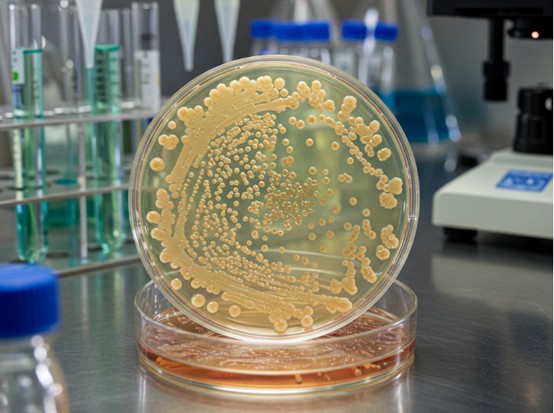
As an aminoglycoside antibiotic kanamycin works by blocking bacterial protein synthesis which enables it to fight against many Gram-negative bacteria as well as certain Gram-positive organisms. Researchers use kanamycin mostly for bacterial transformation experiments and selection of recombinant organisms during microbial culture experiments in laboratory settings. Kanamycin resistance genes such as the kan gene make plasmids selectable with kanamycin as the selective agent.
The main objective in using kanamycin consists of making sure it stops bacterial growth in cultures and selects cells that have undergone successful transformation. Precise preparation along with proper handling and storage is essential because improper conditions can lead to kanamycin instability. Researchers need to identify and solve problems as they occur to guarantee dependable experimental outcomes.
Problem 1: A frequent problem in kanamycin-based experiments is bacterial strains developing resistance to kanamycin.
A frequent problem in kanamycin experimental work involves bacterial strains developing antibiotic resistance. Bacterial resistance to kanamycin emerges through different processes including enzymatic modification of the antibiotic by kanamycin acetyltransferases and drug efflux from the bacterial cell. Experimental outcomes can be substantially affected by this problem during selection experiments that depend on kanamycin for transformed cell survival.
Troubleshooting:
Researchers need to select kanamycin-sensitive bacterial strains to overcome kanamycin resistance in their experiments. To prevent resistance development researchers should rotate the antibiotics they use during experiments or combine multiple antibiotics when resistance emerges from extended exposure periods. Researchers can use plasmids that carry multiple antibiotic resistance genes or apply lower kanamycin concentrations while monitoring bacterial growth closely as an alternative approach.
Problem 2: Inconsistent Kanamycin Concentrations
When kanamycin concentrations vary within culture media unexpected results may occur during experiments. The issue commonly originates from either incorrect stock solution preparation or dilution procedure inaccuracies. The antibiotic kanamycin tends to break down as time passes which causes reduced concentrations in the solution. Improper storage practices for antibiotics like exposure to heat or light speed up their degradation process.
Troubleshooting:
Researchers need to make new kanamycin solutions frequently and store them in optimal conditions such as refrigeration and light protection. High-performance liquid chromatography (HPLC) and spectrophotometry must be used to test kanamycin stock solutions for accurate concentration measurements. To avoid variability in experiments researchers need to confirm kanamycin's concentration in culture media before application.
Problem 3: How Protect Kanamycin from Degrades in Liquid
Kanamycin degrades under high temperature conditions as well as incorrect pH levels or extended exposure to light. Kanamycin becomes ineffective when stored improperly which results in inadequate bacterial growth inhibition and unreliable experimental results. When kanamycin breaks down in solution it loses antimicrobial strength which can cause transformation experiments to fail.
Troubleshooting:
For proper preservation of kanamycin against degradation store it in dark containers without air exposure and maintain temperatures from 2°C to 8°C while avoiding multiple freeze-thaw cycles which speed up its degradation process. Whenever possible prepare fresh solutions and regularly check for degradation indicators including reduced bacterial growth inhibition.
Problem 4: Precipitation in Kanamycin Solutions
Kanamycin solutions might form precipitates when the solvent is inappropriate or the pH is incorrect and storage conditions are not ideal. Kanamycin solutions develop precipitates when antibiotic levels exceed solubility limits or due to the use of incompatible solvents.
Troubleshooting:
Ensure kanamycin solution stability by using either sterile water for injection or phosphate-buffered saline (PBS) as solvents while maintaining the pH within the suitable range. After precipitation occurs researchers need to filter the solution or modify the pH to regain solubility. The choice of solvent should never include those which may affect antibiotic solubility or stability.
Problem 5: Antibiotic effectiveness is reduced during cell culture experiments.
During cell culture experiments kanamycin can sometimes fail to show expected antibiotic effects which leads to unsuccessful selection processes and resistant cell overgrowth. The problem might occur because cells absorb the antibiotic poorly or because the kanamycin concentration is incorrect, or due to other compounds that disrupt antibiotic activity.
Troubleshooting:
Improving kanamycin effectiveness in cell cultures requires researchers to check the right concentration levels and mix the antibiotic thoroughly within the culture media. Optimization of incubation conditions and times for kanamycin must occur along with verification that cells receive sufficient antibiotic exposure. When persistent problems occur researchers should try different antibiotics or change the experimental approach by selecting lower concentrations or alternative resistance markers.
Proper Kanamycin Storage
Maintaining kanamycin stability and its effective performance depends on proper storage methods. To avoid degradation kanamycin must be stored between 2°C and 8°C in dark conditions far from light and moisture. To extend kanamycin's shelf life for long-term use researchers need to create lyophilized (freeze-dried) formulations. Researchers need to use amber glass bottles or opaque plastic containers when storing kanamycin solutions because these containers protect the antibiotic from light.
Accurate Solution Preparation
Achieving accurate results in experiments requires precise preparation of kanamycin solutions. An analytical balance should be used for precise weighing of kanamycin powder and researchers need to implement exact volumetric methods when dissolving and diluting the antibiotic. Researchers must adjust pH levels properly to maintain kanamycin stability and solubility in solutions. Sterile techniques must be employed for all preparation steps to prevent contamination.
Routine Testing and Quality Control
Consistent experimental conditions depend on regular testing of kanamycin concentration in stock solutions and culture media. HPLC and spectrophotometric analysis represent crucial techniques for solution concentration verification along with solution integrity confirmation. Regular sterility testing of kanamycin solution must be performed to prevent contamination.
Skill 1: Applying kanamycin properly in molecular biology experiments requires specific handling techniques.
During plasmid-based transformation experiments in molecular biology researchers often use kanamycin as a selection agent. Appropriate plasmid constructs alongside correct kanamycin concentrations in liquid and agar media ensure kanamycin efficacy in molecular biology applications. The incubation time and temperature need to be optimized individually for each bacterial strain because their susceptibility levels to kanamycin can differ.
Skill 2: The expertise required for kanamycin management during cell culture procedures.
Correct antibiotic management ensures kanamycin selects cells that carry resistance genes. Research teams must track cell viability and growth continuously to adjust kanamycin levels to prevent toxic effects. Researchers must optimize kanamycin concentration levels when handling mammalian cell lines to avoid toxic effects but sustain effective selection.
Skill 3: Techniques for identifying kanamycin impact problems in microbial cultures constitute.
In microbial culture experiments researchers frequently use kanamycin to distinguish bacteria which have integrated plasmid DNA. The antibiotic concentration of kanamycin must be sufficient to block untransformed bacteria but should permit the growth of transformed colonies. Researchers need to verify that their kanamycin solution is functional and the correct bacterial strain is in use whenever bacterial contamination appears.
Precaution 1: The first precaution emphasizes safety procedures and the necessity of Personal Protective Equipment (PPE).
Kanamycin functions as an antibiotic but large quantity exposure poses health risks. When working with kanamycin or preparing its solutions researchers should consistently use protective gear like gloves, goggles and lab coats to ensure safety. When working with kanamycin researchers must operate in well-ventilated spaces like fume hoods to avoid inhaling the powder.
Precaution 2: Avoiding Contamination
Experimental results become unreliable due to the common problem of contamination when using antibiotics. Researchers must follow aseptic techniques which require sterile equipment and clean workspaces as well as proper waste disposal methods. Dispose of contaminated solutions right away and sterilize all affected experimental materials.
Precaution 3: Regulatory Considerations
All experiments using kanamycin require strict compliance with existing regulatory guidelines especially if the experiments involve animal studies. Before starting experiments with kanamycin or any antibiotics researchers need to meet ethical guidelines and secure required approvals from regulatory agencies.
Researchers conducting complex experiments like bacterial transformation or mammalian cell selection will often need to apply advanced troubleshooting methods. When transformation fails researchers need to measure kanamycin concentration ensure the transformation method works and confirm bacterial resistance. Successful mammalian cell culture results depend on finding the right kanamycin concentration while reducing cytotoxic effects.
While kanamycin serves as a crucial antibiotic in laboratory settings proper handling procedures must be followed to preserve its effectiveness. Researchers frequently encounter common problems like resistance development and inconsistent drug concentrations along with degradation and poor performance effectiveness. These problems will be reduced if best practices for preparation storage and application are put into place. Researcher expertise in troubleshooting combined with developing appropriate operating skills preserves kanamycin as a dependable resource for successful experimental results.
Reference
| Target | Cat. No. | Product Name | Host | Isotype | Application | |
| Kanamycin | HMABPY044 | RHA™ anti-Kanamycin Monoclonal antibody, clone KAN | Mouse | IgG | ELISA, LFIA | Inquiry |
| DPABY-883 | Anti-Kanamycin polyclonal antibody | Sheep | ELISA, Pr* | Inquiry | ||
| DPAB-DC4461 | Anti-Kanamycin polyclonal antibody | Sheep | EIA | Inquiry |
| Target | Cat. No. | Product Name | Expression System | Tag/Conjugate | Application | |
| Kanamycin | DAG1208 | Kanamycin [HRP] | N/A | HRP | N/A | Inquiry |
| DISNJ15 | Kanamycin Sulfate Standard | N/A | N/A | ELISA | Inquiry | |
| DAGA-040B | Kanamycin [BSA] | N/A | BSA | LFIA | Inquiry | |
| DAGA-044K | Kanamycin [KLH] | N/A | KLH | Immunogen | Inquiry | |
| DAG227S | Kanamycin [HSA] | N/A | HSA | ELISA | Inquiry | |
| DAG515S | Kanamycin [HSA-Biotin] | N/A | HSA-Biotin | ELISA | Inquiry |
| Target | Cat. No. | Product Name | Size | Species | Application | Detection Sample | |
| Kanamycin | DEIAH-004H | Kanamycin ELISA Kit | 96T | Quantitative | milk, milk powder, chicken, pork | Inquiry | |
| Kanamycin | DEIA048 | Kanamycin ELISA Kit | 96T | N/A | Quantitative | biological samples | Inquiry |
| Kanamycin | DEIA-WZ048V | High Sensitivity Kanamycin ELISA Test Kit | 96T | Quantitative | biological samples | Inquiry | |
| Kanamycin | DEIA048V | Kanamycin ELISA Kit | 96T | Quantitative | Vaccine | Inquiry | |
| Kanamycin | DEIA-004H | Kanamycin ELISA Kit | 96T | N/A | Quantitative, qualitative | tissue, milk | Inquiry |
| kanamycin | DTS761 | Kanamycin Residue Rapid Test(milk) | 96T | N/A | Qualitative | Milk | Inquiry |
Loading ......
