
Inquiry Basket
 Loading ......
In the intricate world of cellular biology, the phenomenon of cell death plays a crucial role in maintaining the overall health and functionality of living organisms. One of the most well-studied and fascinating processes of cell death is apoptosis, often referred to as "programmed cell death." Apoptosis is a tightly regulated and controlled mechanism that eliminates unwanted or damaged cells, shapes organ development, and maintains tissue homeostasis. Understanding the molecular mechanisms behind apoptosis is of paramount importance in various fields, including cancer research, drug development, and regenerative medicine.
Cells undergo apoptosis in response to various triggers that disrupt their normal functioning. These triggers include the sudden removal of survival signals or detachment from neighboring cells, leading the cell to initiate apoptosis. Additionally, increased cellular stress from factors like high heat, DNA damage, or pathogenic infection can also induce apoptosis. Some cells possess death receptors, such as TNF-alpha, which activate apoptosis when their ligands bind or when proteins cross-link.
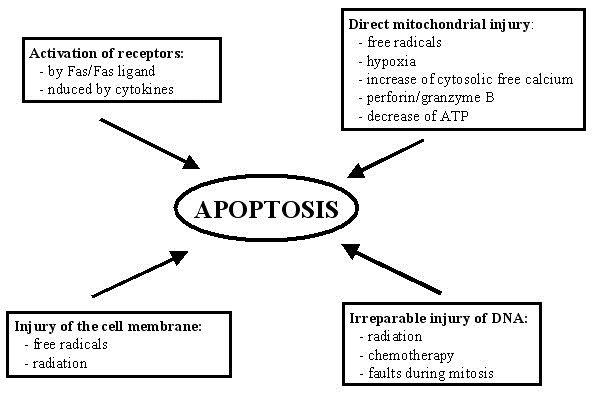 Fig. 1 Main triggers of apoptosis pathways. (Hilario E, et al., 2020)
The intrinsic pathway
The intrinsic pathway of apoptosis is primarily regulated by mitochondria, the "energy factories" of the cell. Upon sensing cellular stress or DNA damage, pro-apoptotic proteins like Bak and Bax are activated. These proteins form oligomers and insert themselves into the outer mitochondrial membrane, leading to pores formation. This permeabilization of the mitochondrial membrane results in the release of cytochrome c, a key player in the apoptosis steps. Cytochrome c binds to apoptotic protease activating factor 1 (Apaf-1), facilitating the assembly of the apoptosome, a multiprotein complex that activates caspase-9. Then activated caspase 9 triggers downstream effector caspases, leading to cell death.
The extrinsic pathway
The extrinsic pathway of apoptosis involves the activation of death receptors on the cell surface, which leads to the recruitment and activation of caspase-8. Ligand binding to death receptors, such as the Fas ligand or TNF-alpha, induces the oligomerization of death receptors and the formation of the death-inducing signaling complex (DISC). Caspase-8 is activated within the DISC and subsequently activates downstream caspases, including caspase-3, thereby initiating the execution phase of apoptosis. Notably, caspase-8 can also cross-talk with the intrinsic pathway by interacting with Bid, amplifying the apoptotic response.
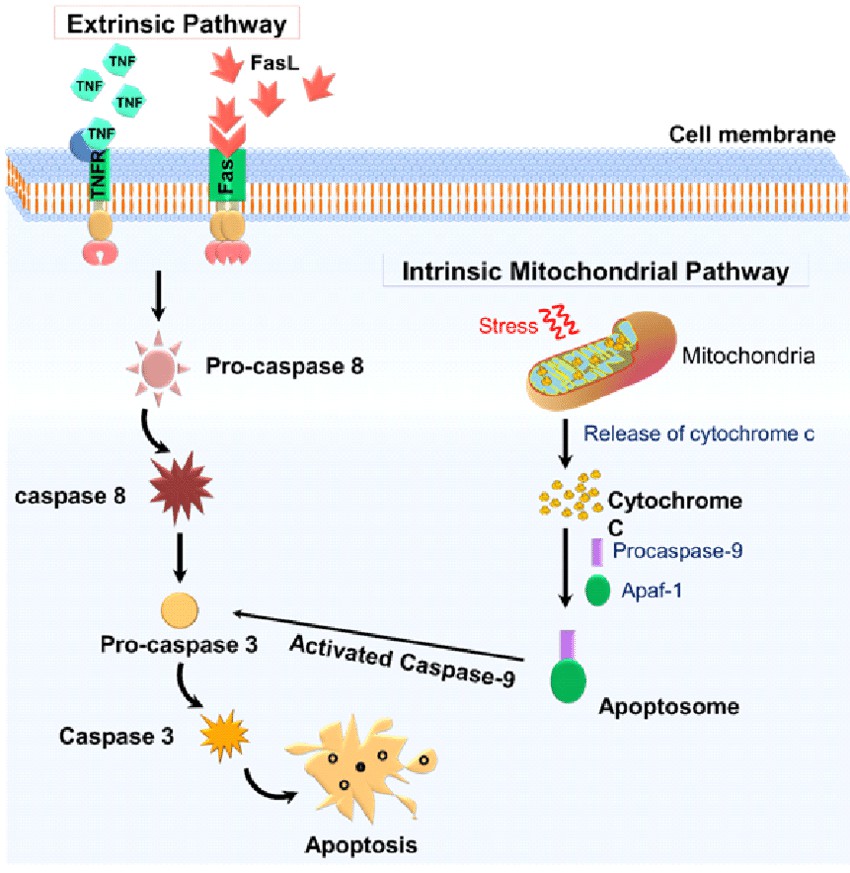 Fig. 2 Schematic representation of apoptosis mechanisms. (Bhosale P B, et al., 2020)
The process of cell death by apoptosis involves several stages.
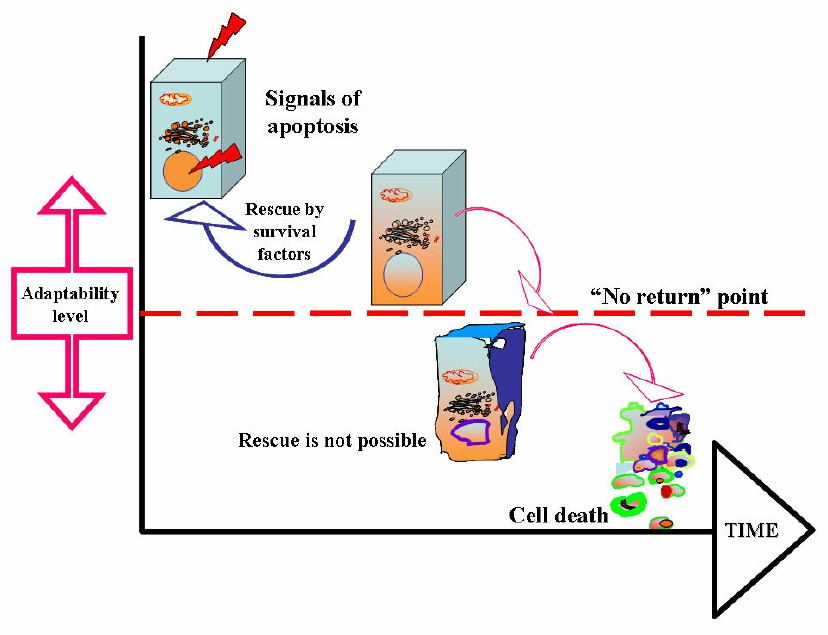 Fig. 3 The four phases of apoptosis. (Hilario E, et al., 2020)
Apoptotic cells undergo characteristic morphological changes, which serve as visual indicators of the ongoing cell death process. Initially, apoptotic cells shrink and become rounded, a process mediated by caspases. The cell surface undergoes alterations, and the cytoskeleton detaches from the plasma membrane, resulting in the formation of bulges or protrusions known as membrane blebbing. These morphological changes are followed by nuclear condensation and fragmentation of the DNA within the nucleus. Ultimately, the apoptotic cells are engulfed by phagocytes, ensuring the clearance of cellular debris and preventing inflammation.
The study of apoptosis requires reliable methods for its measurement and detection. Researchers have developed various techniques to assess apoptotic events, including microscopy techniques to visualize morphological changes, assays to detect caspase activity, measurement of mitochondrial membrane potential, assessment of plasma membrane phospholipid asymmetry, and visualization of DNA fragmentation using techniques like the TUNEL assay. These tools enable researchers to quantify and monitor apoptosis in both in vitro and in vivo settings, facilitating a deeper understanding of this intricate process.
Manipulating apoptosis is a promising approach to addressing various medical challenges. In cancer, suppressing apoptosis allows abnormal tumor cells to survive, so restoring apoptosis can aid in cancer eradication. Similarly, enhancing the targeting of infected cells for apoptotic destruction can help resolve infections by eliminating the infected cells. Inhibiting apoptosis can limit the damage caused by ischemia in cardiac and neural tissues by reducing the impact of reduced blood flow. In addition, selective control of apoptosis in the immune system can greatly improve therapy for diseases like diabetes mellitus and HIV/AIDS.
By unraveling the molecular mechanisms and pathways involved in apoptosis, scientists and researchers can gain valuable insights into various diseases, develop novel therapeutic strategies, and unlock the potential for regenerative medicine. Creative Diagnostics remains committed to advancing the understanding of apoptosis and providing innovative tools and solutions to support researchers worldwide in their quest to decipher the complexities of cell death.
References
Loading ......
