
Introduction
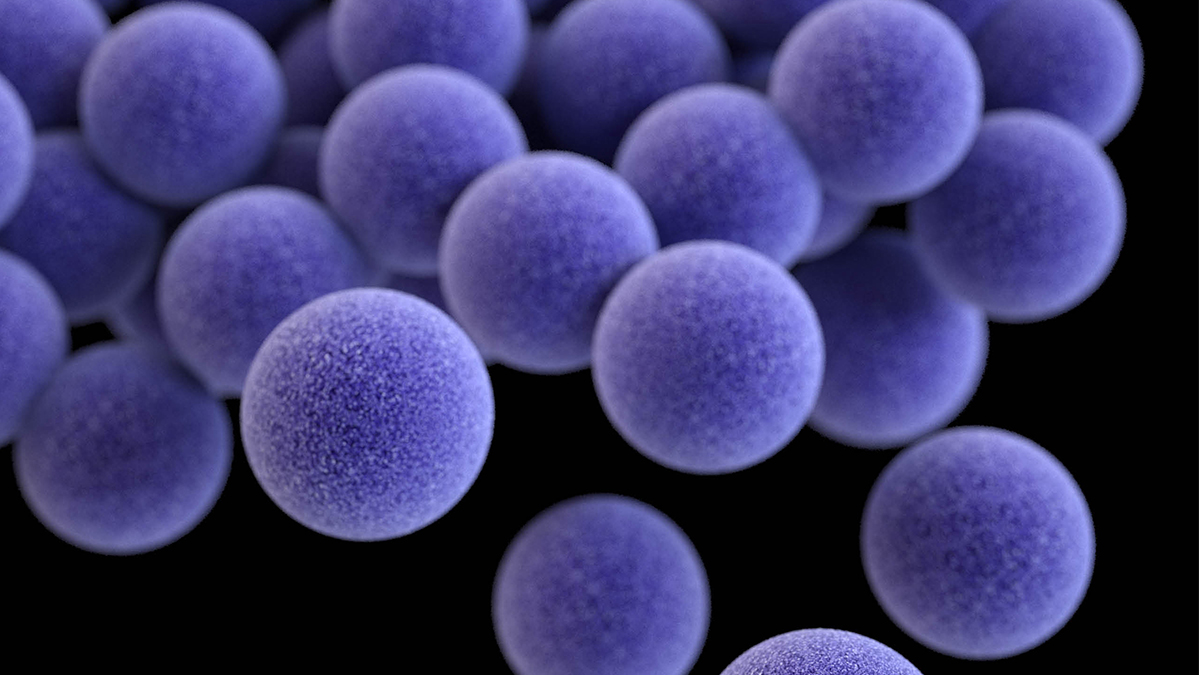
Staphylococcus aureus (S. aureus) is a Gram-positive opportunistic pathogen that can cause a variety of diseases, from skin and soft tissue infections to severe necrotizing pneumonia, endocarditis, and toxic shock syndrome. The emergence of multidrug-resistant S. aureus (MRSA) has become a major threat to global healthcare. Novel therapeutic approaches are in great demand, including genetic manipulation and new antibacterial targets.
The sigB gene encodes the alternative sigma factor σ^B, which is a stress response regulator, and it is also involved in the regulation of virulence expression, biofilm formation, and adaptive stress responses in adverse host environments. The sigB has been regarded as a potential drug target for S. aureus virulence attenuation and infection control.
Traditional genetic manipulation methods, including allelic replacement, counter-selection, and TargeTron group II intron systems, have been used in S. aureus for gene functional studies. These approaches are laborious, time-consuming, and have low efficiency. The recently developed CRISPR-Cas9 technology has become a powerful genome-editing platform, enabling bacterial genetics to be conducted in a precise, flexible, and efficient manner.
In this review, we will be going over the use of CRISPR-Cas9 on S. aureus, more specifically, studies involving the knockout of sigB. We will be discussing the methods, what biological functions were discovered and the implications of this work for antimicrobials.
Mechanisms of CRISPR-Cas9 Genome Editing
CRISPR-Cas9 system was derived from prokaryotes, which naturally has its own defense mechanism against bacteriophage. This system, involving the Cas9 endonuclease and the single-guide RNA (sgRNA), has been engineered to cause double-stranded breaks at defined loci that can be repaired by NHEJ or, when donor DNA is provided, by HR.
In S. aureus, CRISPR-Cas9-mediated editing typically relies on HR for precise knockout or replacement of target genes. To enhance editing efficiency, plasmid-based systems such as pCasSA vectors have been constructed, incorporating both Cas9 and sgRNA expression cassettes.
Traditional Approaches Versus CRISPR-Cas9
Before CRISPR-Cas9, gene editing in S. aureus was constrained by low efficiency. Allelic exchange methods required multiple rounds of selection and counter-selection. TargeTron systems using group II introns allowed targeted disruption but were limited by insertional mutagenesis and temperature sensitivity.
CRISPR-Cas9 surpasses these methods by offering:
- Higher precision – sgRNA directs Cas9 to specific 20 bp DNA targets adjacent to PAM sequences.
- Versatility – applicable for knockout, knock-in, and gene regulation.
- Efficiency – enables rapid generation of mutants without laborious screening.
- Scalability – supports multiplex genome editing.
Application of CRISPR-Cas9 in S. aureus sigB Knockout
A significant case study of CRISPR-Cas9 application involves the knockout of sigB in S. aureus Newman strain. Researchers constructed a CRISPR-Cas9 expression plasmid (pCasSA1) targeting sigB, integrated homologous arms for recombination (pCasSA2), and modified it in RN4220 strain before introducing it into Newman strain to obtain ΔsigB mutants. A complemented strain was further generated using the single-copy integration vector pLI50.
Phenotypic Findings:
- Biofilm formation and hemolysis – sigB knockout reduced biofilm formation and hemolytic activity, suggesting its role in virulence enhancement.
- Autolysis resistance – ΔsigB strains exhibited increased autolysis, indicating sigB-mediated stabilization of the bacterial cell wall.
- Stress adaptation – sigB contributed to acid resistance but showed no significant effect on alkali tolerance.
- Virulence regulation – During the logarithmic growth phase, sigB upregulated adhesion, quorum sensing, and virulence factor genes.
Together these data confirm sigB as a master regulator of S. aureus pathogenicity and that sigB inactivation leads to attenuation of virulence, providing theoretical basis for antivirulence drug or live attenuated vaccine development.
Implications for Antimicrobial Development
SigB study by CRISPR-Cas9 highlighted several areas with high promise:
- Novel drug targets: Drugs targeting the regulatory pathways of σ^B could attenuate virulence with little selective pressure to develop resistance.
- Vaccine development: S. aureus attenuated mutants without sigB could be used as live vaccine candidates.
- Drug resistance: Studying the stress responses regulated by sigB may be mechanistically related to tolerance against antimicrobials.
Similarly CRISPR-Cas9 can also be used as a therapeutic.For example, a phage-delivered CRISPR array could target genes that confer drug resistance in S. aureus (for example, mecA or van genes) and kill off resistant strains of S. aureus only.
Challenges and Limitations
Despite its promise, CRISPR-Cas9 editing in S. aureus faces several challenges:
- Off-target effects – unintended DNA cleavage may cause genomic instability.
- Plasmid delivery – transformation efficiency in S. aureus remains a technical bottleneck.
- Fitness cost – CRISPR-Cas9 plasmids may burden bacterial metabolism.
- Ethical and biosafety issues – deploying CRISPR in clinical or environmental settings requires careful evaluation.
Future refinements, such as Cas9 nickases, engineered high-fidelity Cas9 variants, and inducible editing systems, may mitigate these limitations.
Future Perspectives
With the implementation of CRISPR-Cas9 into S. aureus research, there are endless possibilities such as:
- Utilization of genome wide CRISPR knockout libraries to elucidate gene function
- Application of synthetic biology to reengineer a probiotic strain that outcompetes the pathogenic S. aureus.
- Enhancement of phage therapy: Using phages in conjunction with CRISPR-Cas antimicrobials
- Implementation of systems biology: Pairing CRISPR editing with transcriptomics and proteomics to uncover global regulatory networks
In the end, CRISPR-Cas9 may allow us to make the transition from S. aureus being a dangerous pathogen to a workhorse for dissecting bacterial physiology, stress adaptation and host-pathogen interactions.
Conclusion
The study on sigB using CRISPR-Cas9 knockout in Staphylococcus aureus has provided a robust and efficient tool for functional genomics. In this study, we have identified the key role of sigB in stress response, biofilm formation and regulation of virulence. Our study has laid the groundwork for the development of various therapeutic strategies, which include antivirulence drugs, vaccines and CRISPR-based antimicrobials. Despite some remaining technical issues, with further refinement of the CRISPR system and delivery, we expect it to be more useful. CRISPR-Cas9 might be a possible therapeutic candidate to be used clinically for S. aureus infections in the face of rising AMR.
Product List
| Cat_N | Product Name | |
| DAG-WT619 | Native Staphylococcus aureus Enterotoxin A (SEA) | Inquiry |
| DAG-WT626 | Recombinant Staphylococcus aureus Enterotoxin A (SEA) | Inquiry |
| DAG-WT627 | Recombinant Staphylococcus aureus Enterotoxin B (SEB) | Inquiry |
| DAG-WT621 | Native Staphylococcus aureus Enterotoxin C2 (SEC2) | Inquiry |
| DAG-WT622 | Native Staphylococcus aureus Enterotoxin C3 (SEC3) | Inquiry |
| DAG-WT628 | Recombinant Staphylococcus aureus Enterotoxin C (SEC) | Inquiry |
| DAG-WT623 | Native Staphylococcus aureus Enterotoxin D (SED) | Inquiry |
| DAG-WT629 | Recombinant Staphylococcus aureus Enterotoxin D (SED) | Inquiry |
| DAG-WT624 | Native Staphylococcus aureus Enterotoxin E (SEE) | Inquiry |
| DAG-WT630 | Recombinant Staphylococcus aureus Enterotoxin E (SEE) | Inquiry |