
West Nile Virus (WNV) is a mosquito-borne pathogen that has silently affected millions worldwide since it was first discovered in Uganda in 1937. Despite its long history, many people are unaware of key facts about this virus, its transmission, and its impact on human and animal health. Understanding these facts can help you stay informed and take preventive measures.
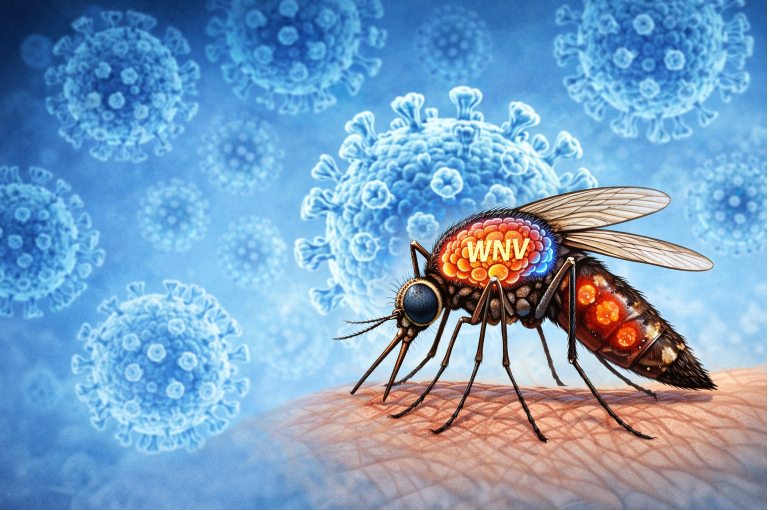
WNV Can Infect Multiple Species
One surprising fact about WNV is its broad host range. While humans are incidental hosts, the virus primarily circulates between birds and mosquitoes. Over 300 species of birds have been identified as susceptible to WNV, and the virus can also infect horses, dogs, and other mammals. Horses, in particular, are highly susceptible, and WNV infections in horses can cause severe neurological disease, often requiring vaccination for protection.
Most Human Infections Are Mild or Asymptomatic
Contrary to common perception, most people infected with WNV experience mild or no symptoms. Approximately 80% of infections are asymptomatic, while about 20% may develop West Nile fever, characterized by fever, headache, fatigue, and body aches. Only a small fraction, less than 1%, develop neuroinvasive disease, which can include encephalitis or meningitis. This means that even in areas with WNV activity, the majority of infected individuals may never realize they were exposed.
WNV Can Cause Severe Neurological Disease
For the small percentage who develop neuroinvasive disease, WNV can be life-threatening. Symptoms may include confusion, tremors, seizures, and paralysis. The risk is highest among older adults and individuals with weakened immune systems. Long-term neurological complications can persist even after recovery, making awareness and early medical attention crucial.
The Virus Spreads Primarily Through Mosquitoes
WNV is transmitted mainly through the bite of infected mosquitoes, particularly Culex species, which are common in urban and suburban areas. Mosquitoes become infected after feeding on infected birds and can then transmit the virus to humans or animals. Unlike many viral infections, human-to-human transmission is extremely rare, but it can occur through blood transfusions, organ transplants, or from mother to child during pregnancy or breastfeeding.
Seasonal Patterns Influence WNV Activity
West Nile Virus activity is highly seasonal, peaking during the late summer and early fall months in temperate regions. Warm temperatures accelerate mosquito development and viral replication, increasing the risk of transmission. Understanding local mosquito activity patterns can help individuals and communities implement preventive measures at the right time.
Prevention Relies on Mosquito Control and Personal Protection
Currently, there is no specific antiviral treatment for WNV, and human vaccines are not widely available. Prevention relies on reducing mosquito exposure through strategies such as:
- Using insect repellents containing DEET, picaridin, or oil of lemon eucalyptus.
- Wearing long sleeves and pants, especially during peak mosquito activity.
- Eliminating standing water around homes where mosquitoes breed.
- Supporting community-level mosquito control programs.
Vaccination is available for horses, which helps prevent economic losses and neurological disease in animals, but human vaccines remain under research.
WNV Can Spread Rapidly During Outbreaks
Although WNV is generally considered a seasonal disease, large outbreaks can occur suddenly. In North America, the virus spread rapidly after its first detection in New York in 1999, eventually reaching most of the continental United States within a few years. Surveillance programs for mosquitoes and birds play a crucial role in predicting outbreaks and guiding public health responses.
Climate Change May Increase WNV Risk
Rising global temperatures and changing rainfall patterns are altering mosquito habitats and extending the WNV transmission season in many regions. Areas previously considered low-risk may now face higher exposure. This highlights the importance of ongoing monitoring, public education, and climate-adaptive vector control strategies.
Early Detection and Testing Are Key
Early detection of WNV infection can improve outcomes for severe cases. Diagnostic methods include:
- Serological testing for WNV-specific antibodies (IgM/IgG).
- PCR tests to detect viral RNA in blood or cerebrospinal fluid.
For public health authorities, monitoring mosquito pools, dead birds, and sentinel animals provides critical early warning for potential outbreaks.
Knowledge and Awareness Are Powerful Tools
Perhaps the most surprising fact is how much individual and community actions can reduce WNV risk. Simple measures such as using mosquito repellents, eliminating breeding sites, and staying informed about local WNV activity can dramatically lower the chance of infection. Awareness campaigns, combined with scientific research and surveillance, remain the cornerstone of WNV prevention and control.
Conclusion
West Nile Virus may seem like a distant or rare threat, but its ability to silently infect humans and animals, cause neurological disease, and spread rapidly through mosquito populations makes it a significant public health concern. By understanding the surprising facts about WNV, taking preventive measures, and staying alert during peak seasons, individuals and communities can protect themselves and reduce the impact of this virus.
Reference
1.Rossi SL, et al.; West Nile virus. Clin Lab Med. 2010, 30(1):47-65.
Related products
| Cat. No. | Product Name | Application | |
| DEIAY10297 | West Nile virus NS1 Antigen ELISA Kit | Quantitative | Inquiry |