
Inquiry Basket
 Loading ......
Base excision repair (BER) corrects small base lesions that do not significantly distort the DNA helix structure. It is initiated by a DNA glycosylase that recognizes and removes the damaged base, leaving an abasic site which is further processed by short-patch repair or long-patch repair. Short-patch repair or long-patch repair largely uses different proteins to complete BER. BER may take place in nuclei or mitochondria, largely using different isoforms of proteins or genetically distant proteins. For example, the endonucleases apurinic/apyrimidinic site endonuclease 1 (APE1) is highly enriched in nuclei relative to mitochondria while APE2 is enriched in mitochondria.
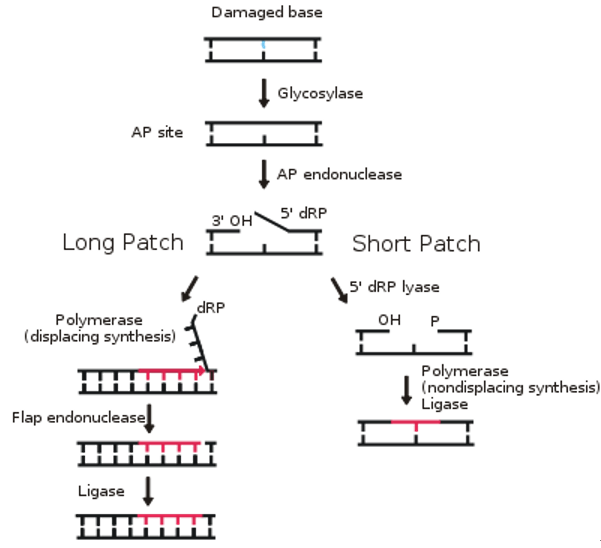 Figure 2. Scheme of Base Excision Repair Pathway
Figure1. Base Excision Repair Pathway
Loading ......
