
Inquiry Basket
 Loading ......
Neomycin is a widely used antibiotic belonging to the aminoglycoside group. It has garnered significant attention in the medical field for its efficacy in treating various conditions, particularly hepatic coma, perioperative prophylaxis, and constipation-predominant irritable bowel syndrome (IBS-C).
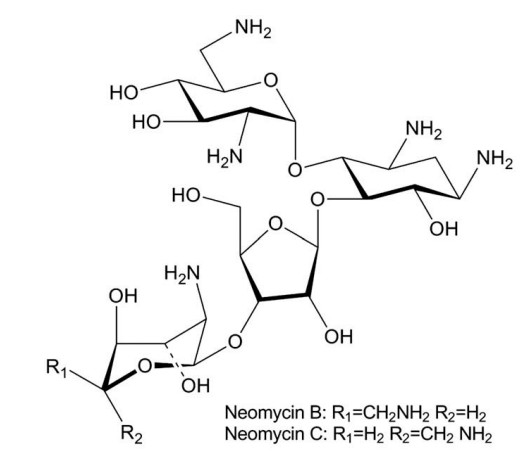 Figure 1. Chemical structure of neomycin B.
(Source: Cui, W. et al., 2009)
Neomycin is an antibiotic derived from the bacterium Streptomyces fradiae. It is characterized by its complex structure, consisting of two amino sugars, neamine, and neobiosamine, connected by a glycosidic bond. This unique structure contributes to its antibacterial activity.
Neomycin is primarily effective against Gram-negative bacteria, including Escherichia coli, Klebsiella pneumoniae, and Pseudomonas aeruginosa. It works by inhibiting bacterial protein synthesis and preventing the formation of functional ribosomes necessary for bacterial growth and replication.
The biosynthetic pathway of neomycin involves a series of enzymatic reactions within the bacterium Streptomyces fradiae. This pathway leads to the production of the complex structure of neomycin, consisting of two amino sugars, neamine and neobiosamine, connected by a glycosidic bond.
The biosynthesis of neomycin begins with the precursor molecule called D-glucosamine-6-phosphate. This precursor undergoes several enzymatic transformations, including amination, phosphorylation, and epimerization, to form the amino sugar neamine. Neamine serves as the core structure of neomycin and provides the foundation for further modifications.
Once neamine is formed, a series of enzymatic reactions occur to introduce additional functional groups and modifications. These reactions involve various enzymes, including transferases, methyltransferases, and glycosyltransferases. These enzymes catalyze the transfer of specific chemical groups, such as methyl groups and sugar moieties, to neamine, leading to the diversification of neomycin's structure.
One notable modification in the biosynthesis of neomycin is the attachment of a 2-deoxystreptamine (DOS) ring to neamine. This is achieved through the action of a specific transferase enzyme called neomycin synthase. The DOS ring is an essential component of neomycin's structure and contributes to its antibacterial activity.
The biosynthetic pathway also involves the generation of various sugar moieties, such as D-glucose, D-galactose, and N-acetylglucosamine, which are attached to neamine. These sugar moieties are introduced through the activity of glycosyltransferases, which transfer the appropriate sugars to specific positions on the neamine core.
Neomycin exerts its antibacterial effects by irreversibly binding to the 30S ribosomal subunit of bacterial cells. This binding interferes with the translocation process during protein synthesis, ultimately leading to the production of non-functional proteins. The disruption of bacterial protein synthesis inhibits bacterial growth and prevents the spread of infection.
Moreover, neomycin's structure enables it to penetrate the bacterial cell wall effectively. This property enhances its ability to target and eliminate bacteria, making it an effective treatment option for various infections.
Neomycin has unique pharmacokinetic properties that contribute to its effectiveness as an oral agent for suppressing intestinal bacterial flora.
Neomycin demonstrates remarkable effectiveness in eradicating gram-negative organisms, making it an indispensable tool in combating bacterial infections. The related institution has approved Neomycin for two primary indications:
Hepatic Coma or Portal-Systemic Encephalopathy: Neomycin plays a crucial role in managing hepatic encephalopathy, including hepatic coma. It is particularly suited for treating acute cases due to its adverse effect profile. By reducing ammonia-producing bacteria in the gastrointestinal (GI) tract, Neomycin lessens the ammonia burden on the patient, thereby alleviating neurological manifestations associated with hepatic coma.
Colorectal Surgical (Perioperative) Prophylaxis: Neomycin is a key component of Nichols and Condon's bowel preparation protocol, frequently administered one day before surgery. Alongside erythromycin or metronidazole, it helps diminish the bacterial load in the colon, mitigating the risk of surgical site infections.
While neomycin is generally considered safe and well-tolerated when used as directed, it can have potential side effects, especially when used orally or systemically. Some common side effects include:
References
| Target | Cat. No. | Product Name | Expression System | Tag/Conjugate | Application | |
| NEO | DAGA-041O | Neomycin [OVA] | N/A | OVA | ELISA, LFIA | Inquiry |
| DAG-WT391 | Neomycin [HSA] | N/A | HSA | Immunoassays | Inquiry | |
| DISNJ14 | Neomycin Sulfate Standard (98%) | N/A | N/A | ELISA | Inquiry | |
| DAGA-041B | Neomycin [BSA] | N/A | BSA | LFIA | Inquiry | |
| DAGA-033H | Neomycin [HRP] | N/A | HRP | ELISA | Inquiry | |
| DAG210S | Neomycin [HSA] | N/A | HSA | ELISA | Inquiry | |
| DAG500S | Neomycin [HSA-Biotin] | N/A | HSA-Biotin | ELISA | Inquiry | |
| DAG1248 | Neomycin [HRP] | N/A | HRP | N/A | Inquiry | |
| DAG4486 | Neomycin [KLH] | N/A | KLH | N/A | Inquiry | |
| E. coli | DAG1711 | Recombinant E. coli DnaJ Protein (a.a. 1-376) | E. coli | Unconjugated | SDS-PAGE | Inquiry |
| Target | Cat. No. | Product Name | Size | Species Reactivity | Application | Detection Sample | |
| NEO | DEIA-XY34 | Neomycin ELISA KIT | 96T | Human | Quantitative, Qualitative | biological samples | Inquiry |
| DEIA043 | Neomycin ELISA Kit | 96T | N/A | Quantitative | cell culture supernatant, vaccine, milk | Inquiry | |
| E. coli | DEIA2348 | E. Coli Verotoxin (Fecal) ELISA Kit | 96T | Qualitative | stool supernatant | Inquiry | |
| DEIA2562 | E.coli Antigen In Food ELISA Kit | 96T | Quantitative | food | Inquiry | ||
| DEIA2437 | E.Coli O157 (Fecal) ELISA Kit | 96T | Qualitative | feces | Inquiry |
Loading ......
