

Inquiry Basket
 Loading ......
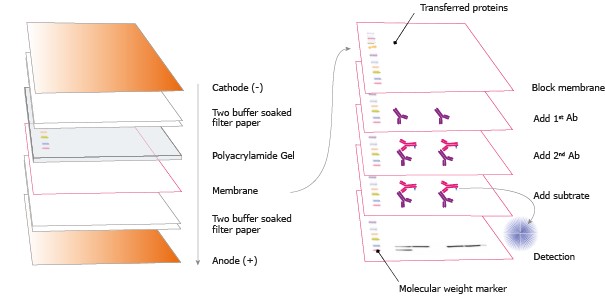
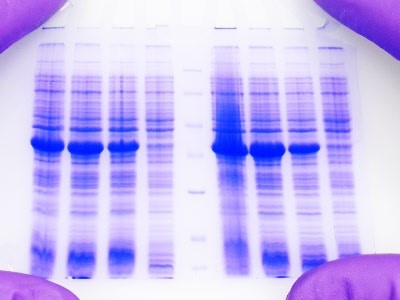
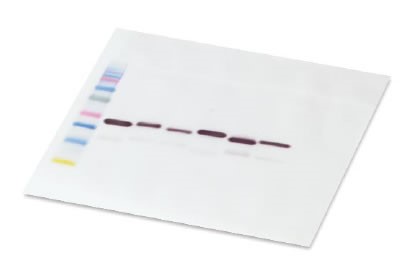
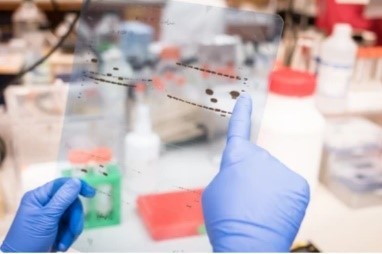
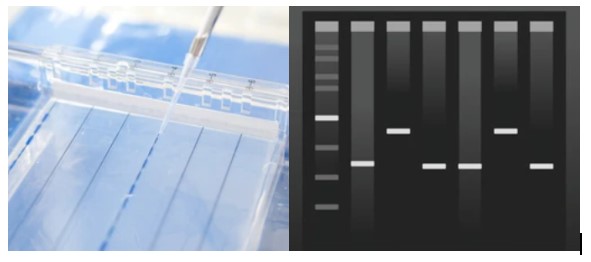
The Western Blot is one of those lab techniques you'll find in almost any protein research toolkit-it's all about tracking down specific proteins using the tight partnership between antibodies and antigens. Picture this: you load your protein mix onto a polyacrylamide gel and let electrophoresis sort them by size. Once that's done, you transfer them over to a tough little membrane-think PVDF or nitrocellulose. Then add antibodies that hunt down your target protein, and when they stick, it reveal the results with something like chemiluminescence. It's a straightforward process-separate, transfer, probe with antibodies, and spot the signal. Its core steps include: protein electrophoresis separation → membrane transfer → antibody incubation → signal detection.
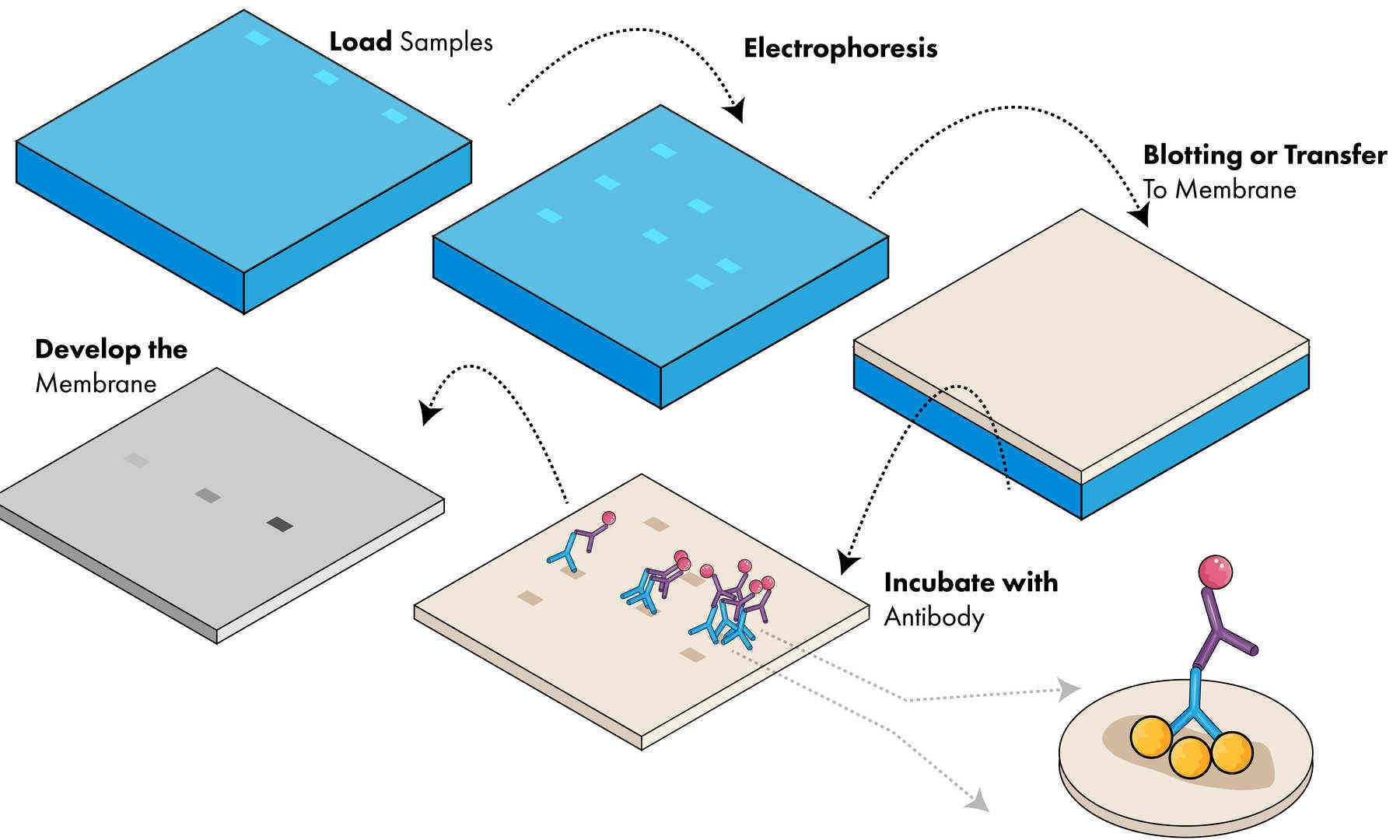 Figure 1. Western Blotting Core Steps.
In direct detection methods, the enzyme is directly linked to the primary antibody. The procedure is simple and the detection steps are few. Although direct detection is rapid and direct, it tends to be less sensitive than indirect detection because there are fewer steps in the process where signal amplification can occur. In addition, direct labeling of the enzyme to the primary antibody can cause cost and resource constraints.
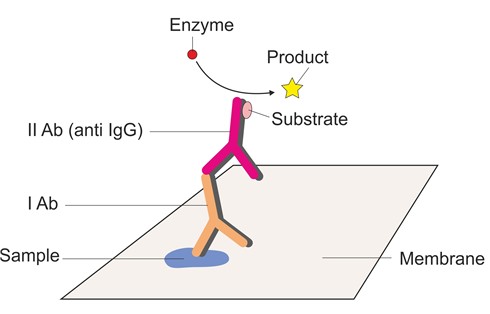
Indirect Western blot detection methods tend to outshine direct approaches, mainly because they offer sharper sensitivity. In this setup, there is a primary antibody that zeroes in on your target antigen. The real trick, though, comes with the next step: a labeled secondary antibody that locks onto a specific spot-an epitope-on that primary antibody. Often, this epitope ties back to the species the primary was raised in. Take rabbit-derived primaries, for instance-they can all be flagged by the same anti-rabbit secondary. When several secondary antibodies gang up on one primary, the signal gets a serious boost, which not only heightens sensitivity but also makes the assay more versatile. Swapping out the label on the secondary-say, for a different detection method-is a breeze, and room to adapt as needed.
| Feature | Direct Western Blotting | Indirect Western Blotting |
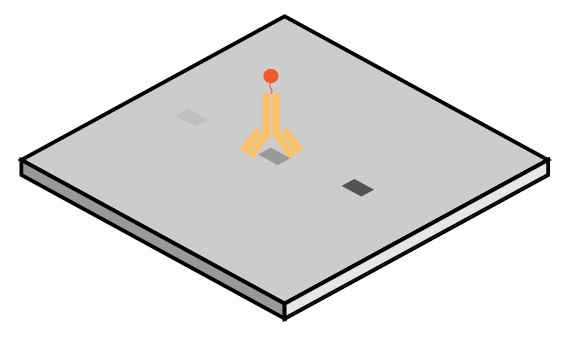 | 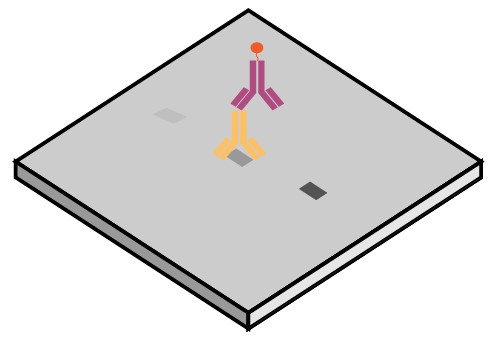 | |
| Advantages | Simpler procedure, fewer steps. | Higher sensitivity due to signal amplification. Increased flexibility in antibody selection. |
| Disadvantages | Lower sensitivity, limited signal amplification. Potentially higher cost and limited primary antibody selection. | More complex procedure, more steps involved. |
The sensitivity and operational complexity of Western Blot detection methods vary according to their chromogenic principles and labeling strategies which determine their application scenarios. Enzyme-labeled antibodies facilitate substrate color transformations in colorimetric detection which provides straightforward procedures but results in reduced sensitivity levels. The chemiluminescent detection method produces light through enzyme reactions which allows for precise identification of low-abundance proteins but demands specialized detection equipment. The technique of fluorescent detection involves the use of fluorescent dye-labeled antibodies which allow for multiplex detection with stable signal levels and low background noise yet demands specialized imaging equipment. ScanLater systems alongside fully automated analyzers improve standardization and throughput rates for both large-scale operations and clinical implementations.
| Method | Principle | Common Reagents | Advantages | Disadvantages | Application Scenarios |
| Colorimetric Detection | Enzyme-catalyzed substrate color change | BCIP/NBT, DAB | Simple operation | Low sensitivity, high background interference, irreversible results | Routine detection, no specialized equipment required |
| Chemiluminescent Detection | Enzyme-catalyzed substrate light emission | Pierce SuperSignal series, SuperECL Plus | High sensitivity, wide dynamic range | Requires darkroom and imaging equipment, high cost | Low-abundance protein detection |
| Fluorescent Detection | Fluorescent dye-labeled secondary antibodies | IRDye | Multiplex detection, no background interference, stable signal | Requires specialized fluorescence imaging system | Simultaneous detection of multiple target proteins |
| Automated Detection Systems | Automated electrophoresis, transfer, incubation, and detection | ScanLater system, fully automated analyzers | High standardization, high throughput | High equipment cost | Large-scale experiments, clinical detection |

Primary antibodies serve as essential elements in western blotting because they permit precise identification of target proteins by binding exclusively to corresponding epitopes. Antibodies of high quality require exceptional specificity which reduces cross-reactivity with non-target proteins while also maintaining adequate sensitivity to identify targets present in minimal amounts. Western blot applications require rigorous validation to maintain reliability since monoclonal antibodies provide precise detection of single epitopes while polyclonal antibodies offer wider epitope binding for enhanced signal detection. Selection of antibodies depends on their compatibility with host species to prevent secondary antibody interference along with clonality considerations whether monoclonal or polyclonal based on experimental requirements and following manufacturer-specific optimized dilution ratios. The accuracy and reproducibility of western blot results depend fundamentally on selecting the right antibodies and following validated protocols.
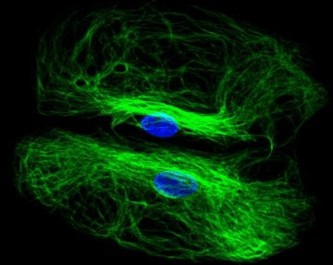
The detection and amplification of signals in Western blotting heavily depend on the use of secondary antibodies. Secondary antibodies work by binding to the primary antibody instead of directly attaching to the target protein which increases both sensitivity and versatility of the detection technique. Secondary antibodies serve several functions including signal amplification which occurs when they connect to multiple primary antibody sites to detect low-abundance proteins more easily. In Western blotting experiments secondary antibodies serve as critical instruments that enable essential signal amplification and detection functionalities necessary for effective protein analysis.
View more secondary antibodies
Reliable and reproducible Western blot results depend on optimizing the antibodies used. This section provides a systematic summary of essential strategies.
Antibody Type: Monoclonal vs. Polyclonal: Monoclonal antibodies demonstrate specific high precision yet lower binding strength which makes them perfect for identifying native epitopes. Polyclonal antibodies have a higher affinity which leads to cross-reactivity but they work well for detecting denatured antigens such as those analyzed post-SDS-PAGE. Recombinant Antibodies: Engineered antibodies demonstrate batch-to-batch consistency
with high specificity making them ideal for long-term experiments.
Specificity Verification: Validate using knockout/knockdown samples or published data. Anti-PRX-SO2/3 antibodies need affinity purification to eliminate nonspecific binders.
Species Compatibility: Researchers should choose primary antibodies that match the species where the samples originate (such as selecting anti-mouse antibodies to evaluate mouse samples). The secondary antibodies selected must match the primary antibody's species (for example select anti-rabbit secondary antibodies when using rabbit primary antibodies).
Serial Dilution: Conduct dilution tests using primary and secondary antibodies within a range from 1:100 to 1:1000. Use flow cytometry titration principles: The initial antibody concentration should be 10 µg/mL from which you can perform subsequent 1:2 dilutions to discover the best signal-to-noise ratio (SNR).
Dot Blot Screening: Quickly test antibody dilutions by applying antigens on nitrocellulose membranes and cut down on repeating Western blots.
Loading Control Optimization: Adjust housekeeping antibodies such as β-actin and GAPDH independently to achieve signal intensity equivalent to target proteins for normalization precision.
Time and Temperature: The binding stability improves when samples are incubated overnight at 4°C between 16 to 24 hours. When performing shorter protocols, incubate at 37°C for 1–2 hours using higher concentrations of antibody. Secondary antibodies: Keep the samples at room temperature for a duration of 1–2 hours to minimize background noise.
Blocking Buffer: Use 5% non-fat milk or BSA. BSA serves as a better blocking agent than milk for phosphorylated proteins because milk contains phosphatases. Filter buffers to remove particulates.
Causes: Incomplete blocking, high antibody concentration, insufficient washing, or membrane contamination.
Solutions: Extend blocking time (>1 hour) and test different blocking agents (e.g., BSA, non-fat milk). Optimize antibody dilutions via titration. Wash 3×10 mins with TBST (0.1% Tween-20). Keep the membrane moist and avoid contamination.
Causes: Antibody mismatch, poor transfer, degraded antibodies, or low protein load.
Solutions: Verify antibody compatibility (e.g., anti-rabbit secondary for rabbit primary). Confirm transfer efficiency with Ponceau S staining. Use fresh antibodies (avoid freeze-thaw cycles; aliquot at -20°C). Increase protein loading (20–50 µg/lane) and add protease inhibitors.
Causes: Cross-reactivity of polyclonal antibodies, protein degradation/modification, or overloading.
Solutions: Use monoclonal or affinity-purified antibodies. Add protease/phosphatase inhibitors and work on ice. Reduce protein load and optimize blocking.
Causes: Smearing: Dirty samples or poor-quality gel (Centrifuge samples and remake gels.) "Smile" bands: Overheating during electrophoresis (Run gels at 4°C with pre-chilled buffer.) Bubbles in bands: Air trapped during transfer (Roll out bubbles with a glass rod.)
Causes: High methanol concentration (for PVDF), large protein size (>100 kDa), or antibody aggregates. Solutions: Reduce methanol to 10–20% for PVDF; add 0.01% SDS for large proteins. Filter antibodies/blocking buffer to remove aggregates.
Loading ......
